
The SuperDQP Weekly - January 26, 2026

Everything is on fire, political tensions are at a fever pitch… and I’m here to talk about portability in game design.
Look, I gotta do something to keep myself sane. You think a depressed person could make this? No!
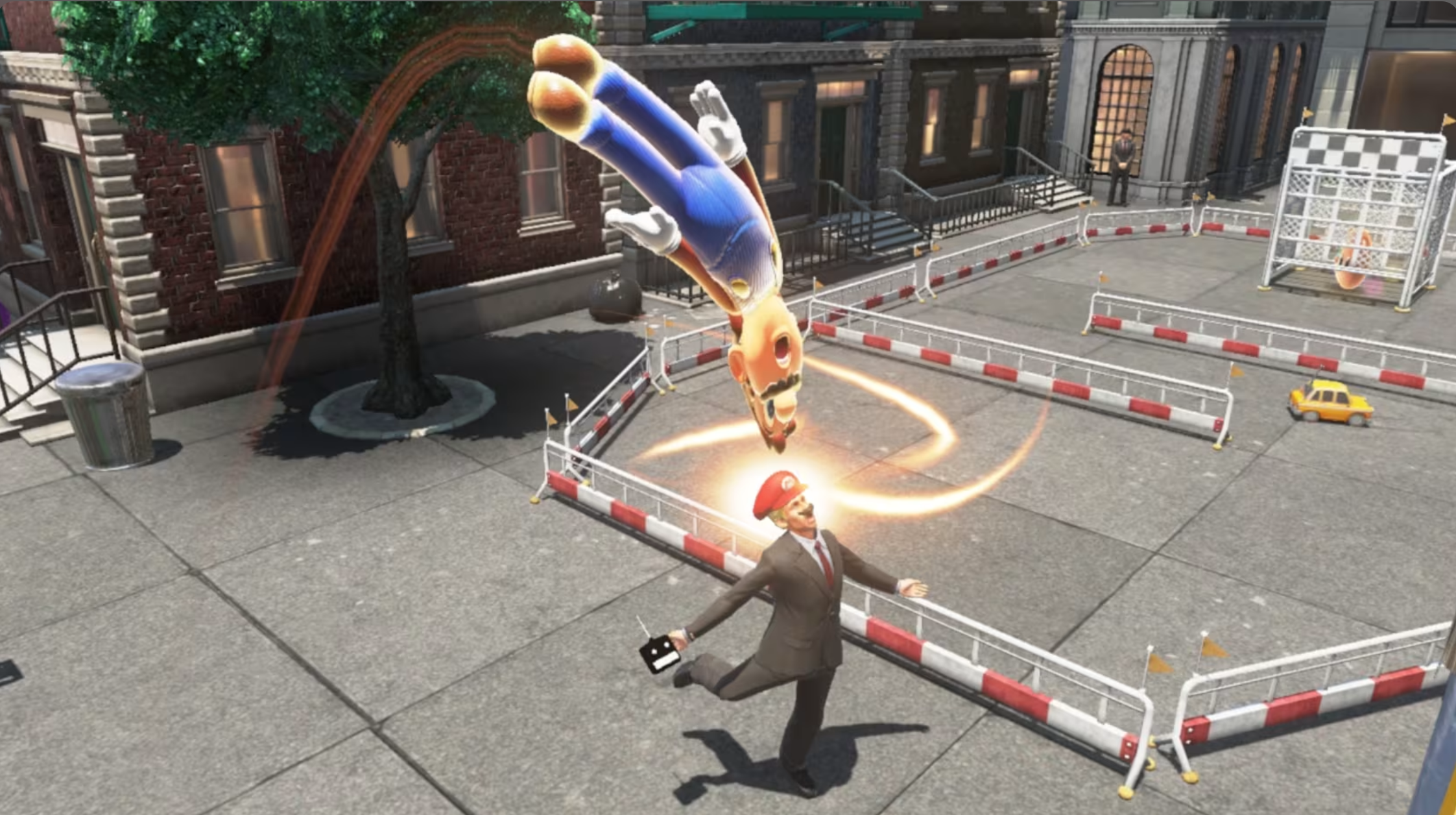
A please take care of yourself and your neighbors recommendation
I don’t think there’s much more I can say beyond that. Take care of your friends and neighbors.

If you are capable, reach out to them – particularly if they are people of color, as they carry a racistly abnormal risk of ICE’s current violent attacks, regardless of their citizenship status – and lend them whatever help you can. Buy them groceries. Shoot them some cash. Give them rides. Warn them if ICE is in their neighborhoods.
If possible, join a community watchdog or mutual aid organization so that you’re ready to help where able. If you’re in Anchorage, I recommend the Anchorage Rapid Response Network and PSL.
If nothing else, donate money regularly to local non-profits, churches, and food banks that are helping with the above.
The times are calling on people to do something, and even if the above actions don’t feel like much, they are tangible somethings that make an impact right now, and they add up.
Okay. I’m gonna write about video games again now.
The lost art of designing for portability
I got the idea for this newsletter from playing Super Mario Odyssey eight years ago when it launched on the original Switch.
(Well, okay, it was a YouTube video idea back then, but I’m not making those anymore, so newsletter it is.)
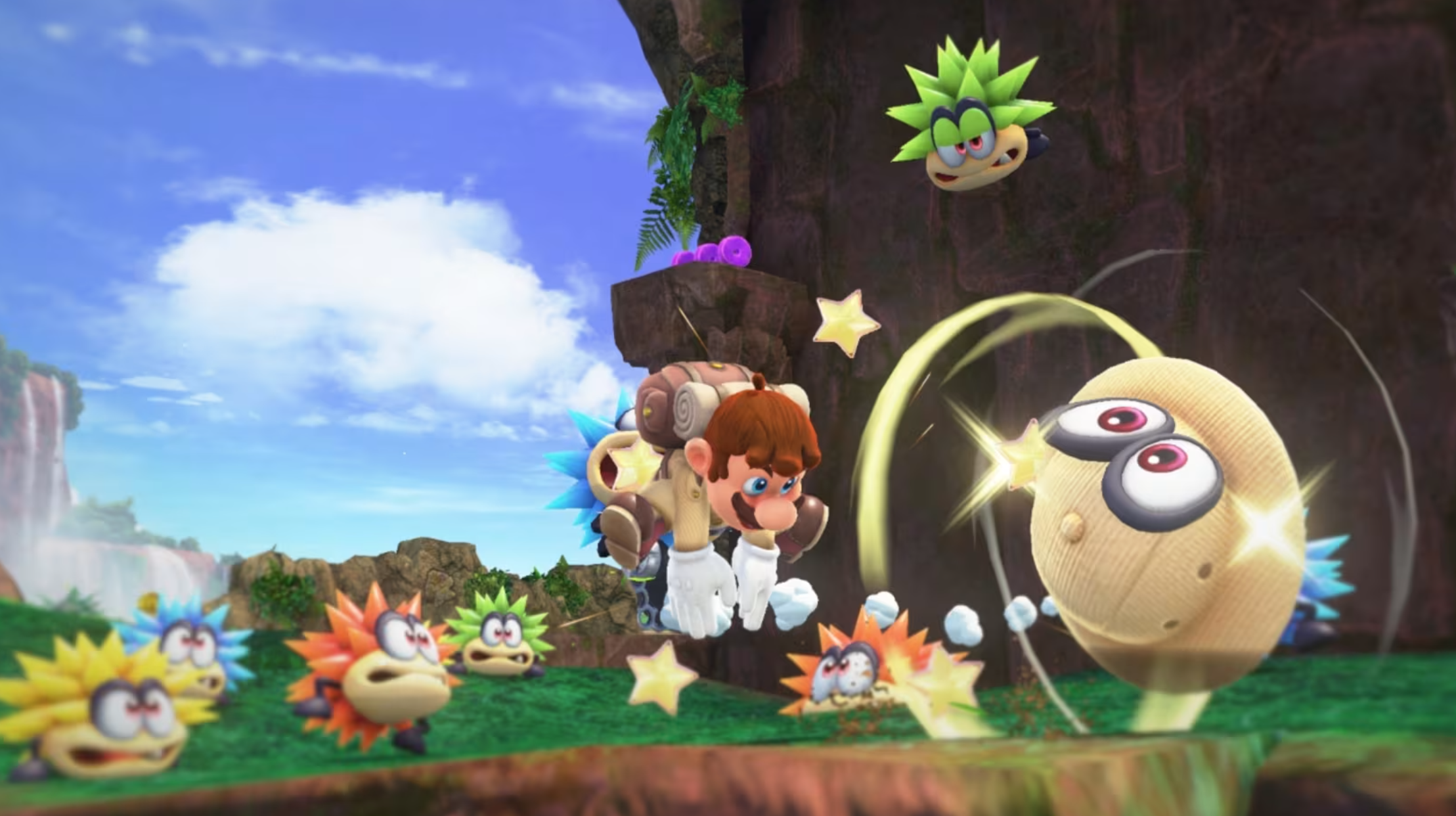
I loved Mario Odyssey, though I admittedly don’t return to it as much as I do Super Mario 64 or Sunshine. I think that has more to do with nostalgia than with game design, but Odyssey is… quirky, compared to the other two.
I lump the three games together because Nintendo does; at the time of Odyssey’s release, they divided the main Super Mario Bros. games into either “Course Clear” games – linear level-to-level romps reminiscent of the 1985 original – and “Miniature Garden” games – worlds split into large-ish sandboxes with goodies spread throughout.
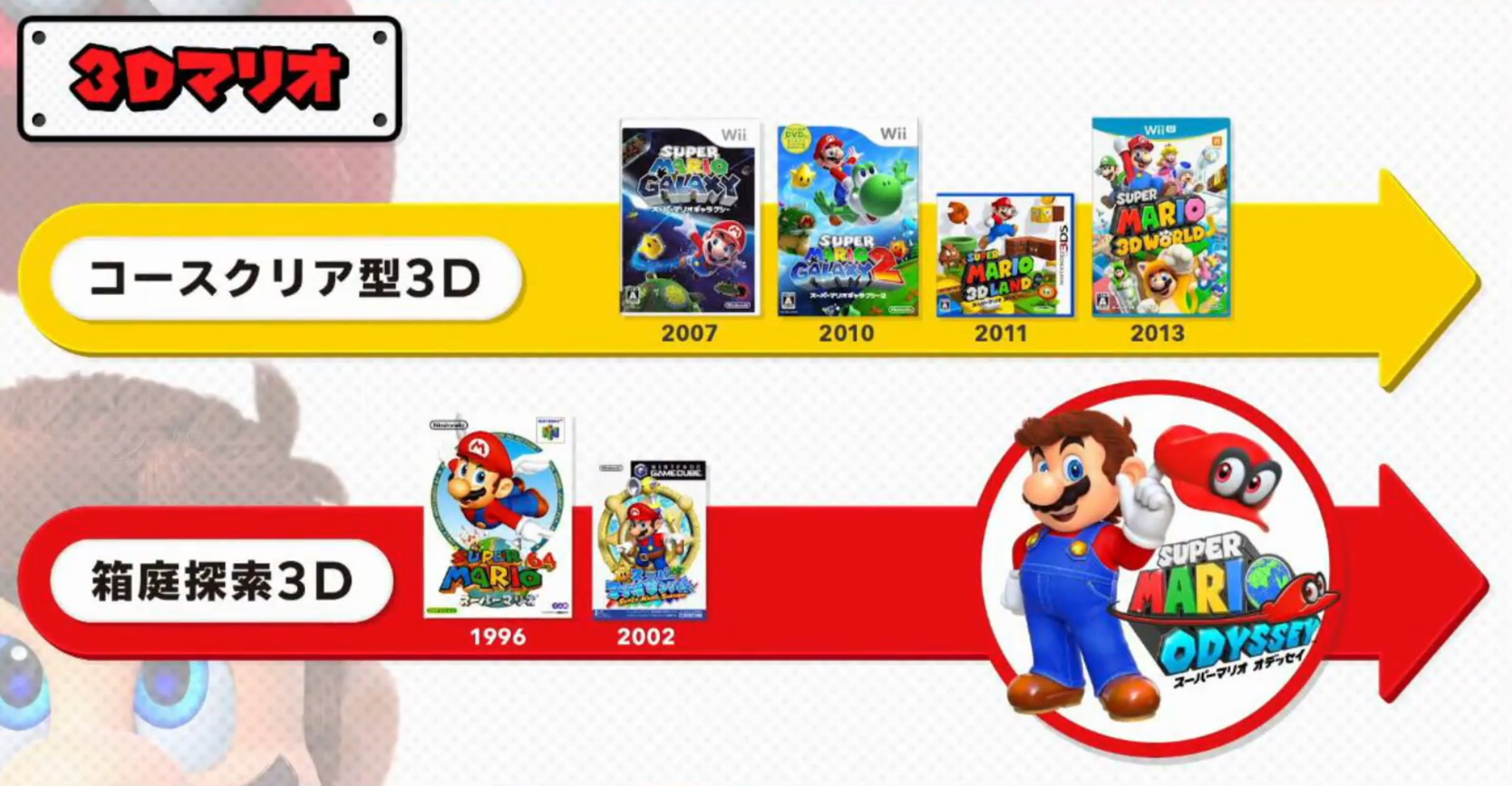
(I highly recommend checking out Good Blood’s video on Japanese miniature gardens and how they inform Nintendo’s game design, it’s really fascinating. It doesn’t have much to do with designing for portability, but it’s a deep rabbit hole.)
Odyssey, by Nintendo’s reckoning, was the first Mario “Miniature Garden” game since Sunshine, but it still feels very different from the other two, and I suspect that has to do with the console Odyssey was released on.
Mario 64 and Sunshine were made with home video game consoles in mind. You were meant to plop yourself down in front of the television in your living room or bedroom and fixate on the game for a while; probably an hour or two while you were home. (Or more, in my case.)
The Switch is very different from that expectation: it is a console you can take anywhere. You are just as capable of plopping yourself down in front of the television for an hour or two of Mario Odyssey as you are of playing only 15 minutes of it on the bus ride to work. So, the game has to compensate for that possibility, and as a result, there are significantly more Power Moons to collect in Odyssey than there are Stars or Shine Sprites in 64 or Sunshine, respectively – which means that you can get more out of 15 minutes of playtime in Odyssey than you could out of the same in the other two.
This isn’t really new, nor was it new to Odyssey. Nintendo had had five whole generations of handheld hardware (six if we’re counting the Game and Watch) to figure out how to design games for the commute rather than the home. Portable games required different pacing and expectations to compensate for the shorter bursts they’d be played in.
Er… that is, they did.
We don’t really have “portable games” anymore. I mean, technically we do: the Switch and its successor have ports of older handheld games, ports of grander home games, and all of the original Nintendo games that sit nowhere in particular between them. And after the Switch’s success, a whole cottage industry of handheld PCs has sprung up, including the Steam Deck and its litany of imitators which may or may not be an Xbox.
And as a result of the Steam Deck’s success, every verified Steam game is also technically a “portable game.” But that also kind of means that none of them are, because they’re all available on regular home PCs too. And laptops. And some tablets. And soon, potentially, mobile phones, if Valve’s Fex compatibility layer on the upcoming Steam Frame works as well as Proton.
So… people don’t really make games with handhelds in mind at all anymore. Or if they do, they aren’t transparent about it, because most games just come to every mainstream platform, which happens to include the Switch and Steam handheld ecosystems.
(And to be honest, if the current market for consumer electronics is anything to go by, we should probably expect graphical specs for games to stay at the Switch/Steam Deck level for the time being, bar any extreme and very-likely hubris from big-budget game publishers.)
Which means, in turn, that today, games that really work well as “portable games” do so because they happen to, not necessarily because they do so intentionally.
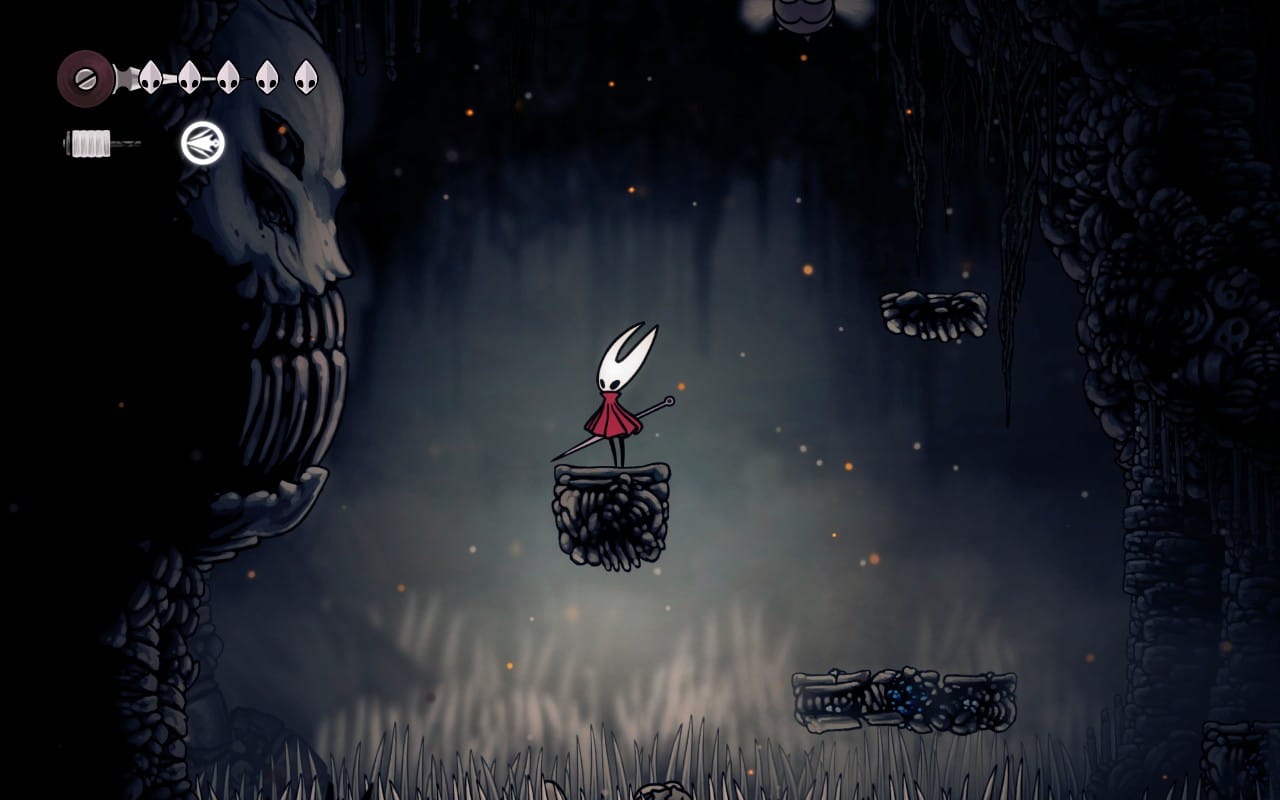
Don’t get me wrong, a lot of recent games happen to! I nibbled at Hollow Knight: Silksong in mostly 30-minute increments during lunch breaks, but I still had a blast doing so, and I did eventually make it to the true ending after a whole-ass 50 hours. (Which I’m told is quick by true ending standards.)
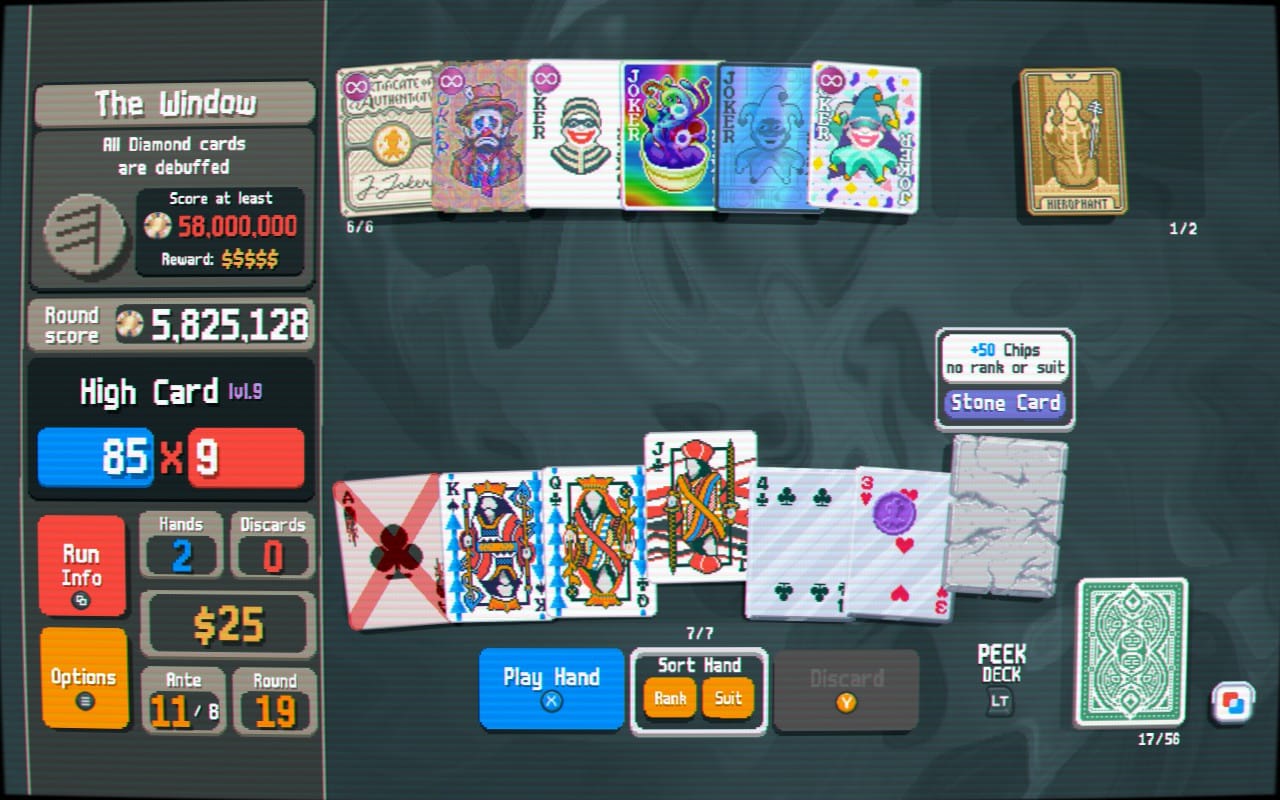
That’s not even to mention the over 200 hours I’ve put into Balatro almost entirely on my Steam Deck. Yes, Balatro finally entered my life with all the destructive force of an earthquake, as I feared it would.
But I often find that, interestingly, some games are just better fits for the home. Metaphor: ReFantazio was a surprising case of this, over a decade after I had played Persona 3 Portable mostly on bus rides and between classes. I think that largely has to do with the game’s reliance on voice acting, which makes it difficult to split my focus with my surroundings the way I have to do when I play games portably. The same thing proved true with Clair Obscur: Expedition 33, I think for the same reason. (And also because the game doesn’t look or run great on Deck.)
To me, what defines a “portable game,” whether it was designed for portability or not, is the ability to focus on the game while also able to A) maintain periphery awareness of your surroundings, and B) be able to put down the game and pick it back up without friction or befuddlement. That can mean anything from the story progressing in smaller mission chunks, to short arcade-like “runs,” to a metroidvania you can poke at in your spare time like a large crossword, to just being able to suspend and resume the console when you need to put it down and get moving.
I don’t really have much of a point with this newsletter. I just think it’s really interesting how games used to be designed intentionally with these principles in mind, and now, even though that kind of intentionality has seemingly fallen to the wayside, we still see it incidentally thanks to machines like the Switch or Steam Deck.
I just think they’re neat!