
The SuperDQP Weekly - March 2, 2026

It’s been a long time. Eighteen years since Metroid Prime 3: Corruption ended on a minor cliffhanger, almost twenty years since the introduction of my blorbo Sylux, and three months on top of all that when my order got caught in shipping limbo. I have finally finished Metroid Prime 4: Beyond.
And I feel deflated.
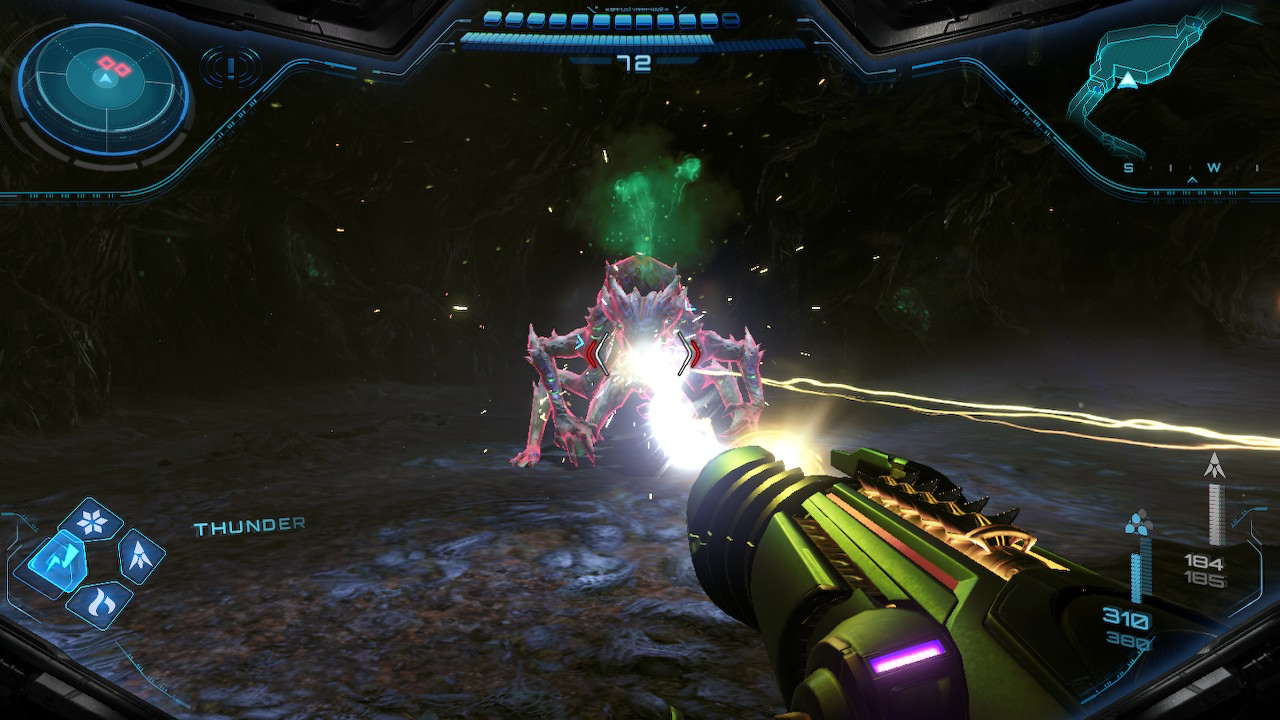
I feel so deflated, in fact, that this won’t be just one newsletter. This week will be a generic review of the game, and next week I’ll be diving into the game’s political implications, of which there’s a surprising lot.
(I’m also sorry for the multiple unannounced hiatuses. If I were in a self-deprecating mood I’d rename the newsletter to The SuperDQP Occasionally. I won’t stoop that far yet, though.)
This time it was personal
Metroid is a really important video game series to me.
Metroid Prime remains one of my favorite games ever and has been since I played it as a kid. Same goes for Metroid Fusion. They released at the same time and though they are radically different on a structural and narrative level, they still formed a cohesive picture of what Metroid was all about.
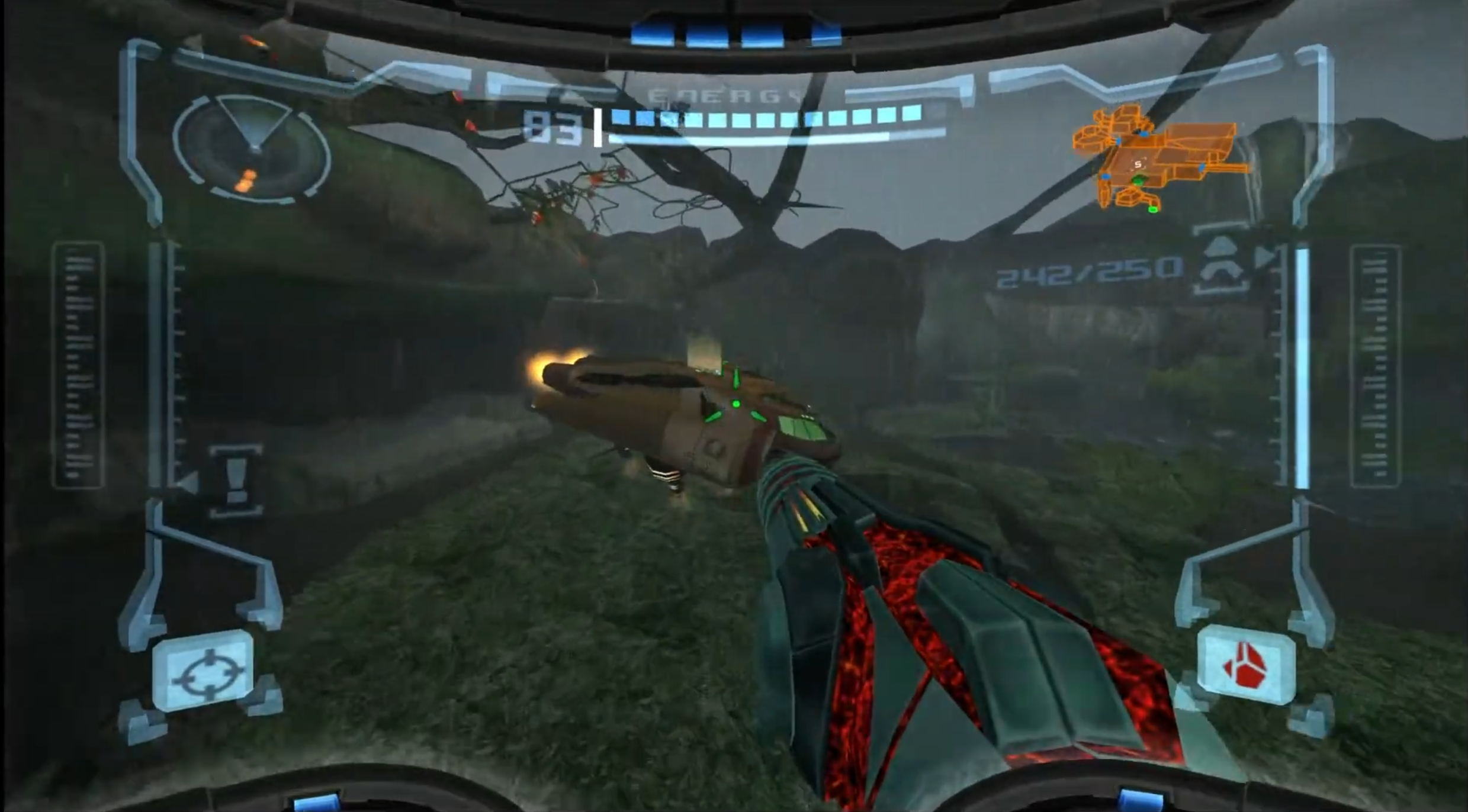
I still have my physical copy of Metroid Prime Trilogy for the Wii, lucrative collector’s value be damned.
I’ve written before about how Metroid: Other M was both a curse and a hidden blessing: while the game itself was some very hot garbage, the franchise hiatus that ensued was fertile breeding ground for a genre explosion, from inexpensive indies like Hollow Knight and Axiom Verge to bigger-budget blockbusters like Jedi: Fallen Order and the 2017 reboot of Prey. “Metroidvania” is a mature genre by now, and it has flourished and found new audiences that Metroid could only dream of.
I mean, last year, we saw Hollow Knight: Silksong become so popular that it crashed every digital game storefront when it launched. That’s insane to me – and deserved. Silksong is that good and it deserves every moment it has in the mainstream spotlight.
(Expedition 33 robbed it at The Game Awards. Fight me.)

I bring all of this up because by the time the Metroid series finally returned in 2021 with a new, original, not-a-remake-or-spinoff title, Metroid Dread – another game I’d anticipated since adolescence – it had to compete with those independent hits, and while Dread is incredible, I felt at the time that Metroid wasn’t quite the peak anymore.
Metroid Prime 4: Beyond is an even starker reminder of that.
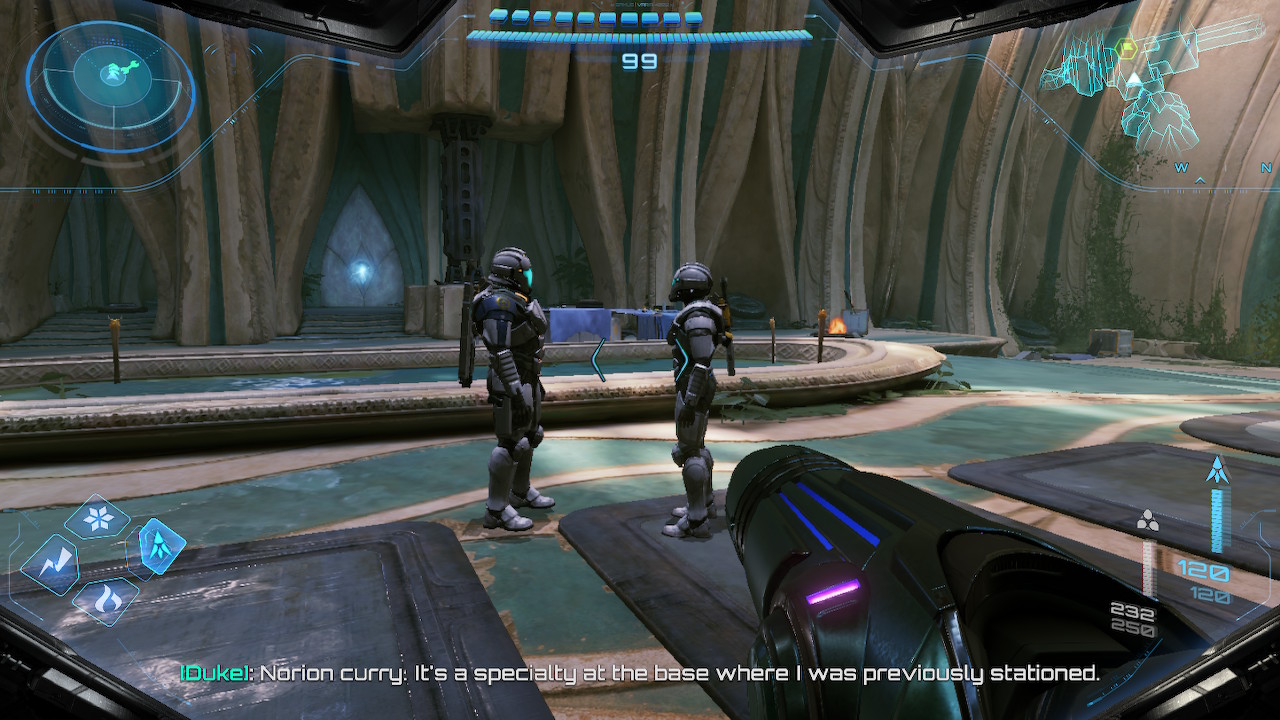
On an objective level, Beyond is okay. It’s a solid three out of five, if I had to give it a star rating. The average consumer who picks this game up off the shelf without having any idea what a Metroid is will probably have an alright time.
But for me, it’s personal.
A lot of it comes down to story expectations – we’ll get to that next week – but I think it suffers most from being a pale, borderline pathetic imitation of the first Prime.
The first Metroid Prime was more than just a slick and atmospheric 3D adaptation of Metroid’s design, it was also an interactive study on the vitality of ecology and the effect of industry on nature, and it is cohesive in this design in a way that none of its many sequels or spin-offs could replicate.
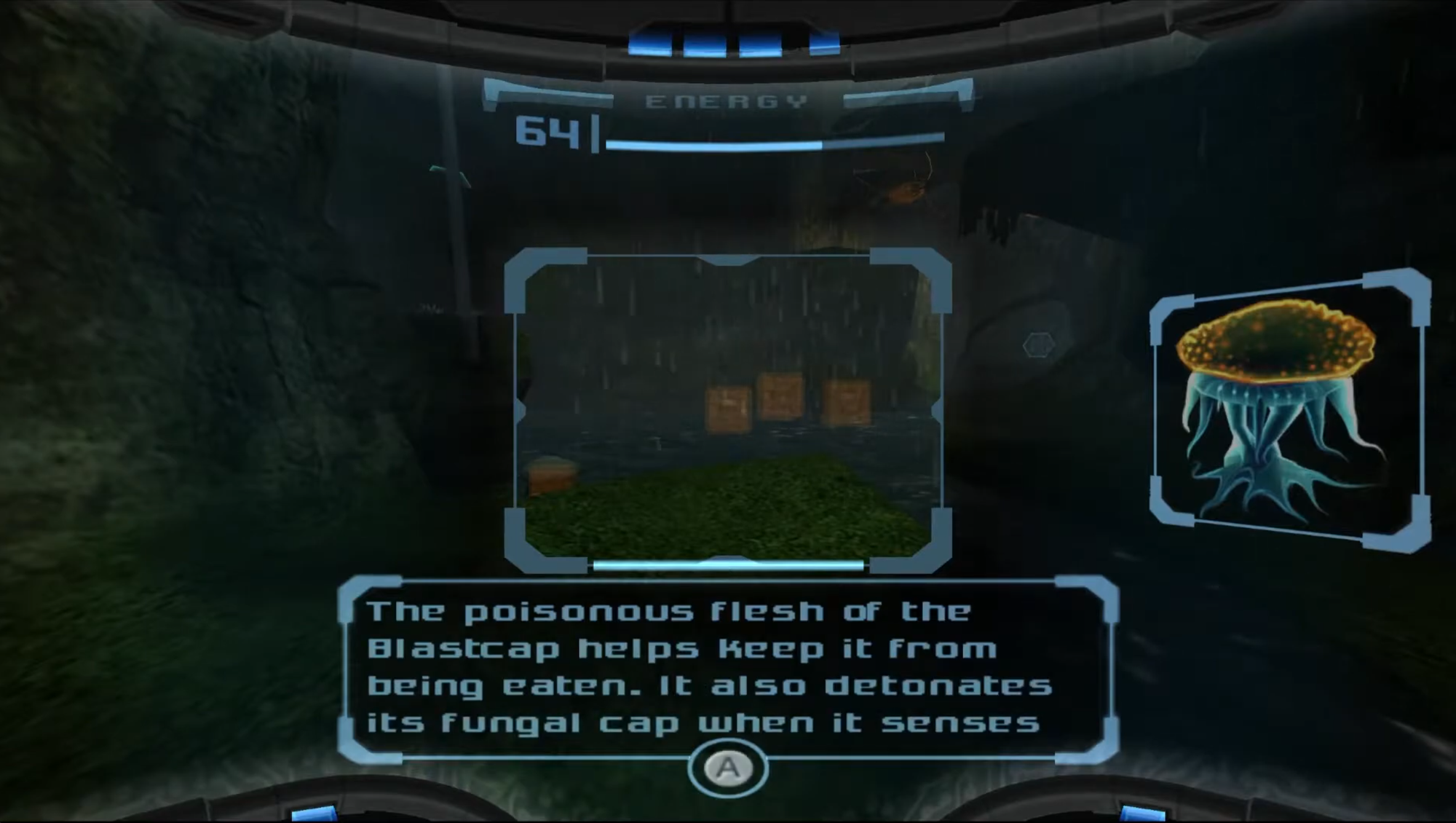
For Prime 2: Echoes and Prime 3: Corruption, that’s mostly okay, because they set off to do entirely different things than the first Prime. Echoes was a more formulaic attempt at a grand, borderline-mythical “light vs. dark” narrative, for better or worse. And Corruption came at the height of Wii mania, trying to grab a new audience with not only a fresh control scheme (and one that still mostly holds up, at that) but also a more bombastic, Halo-esque tone.
Beyond, by contrast, feels like a desperate attempt to make lightning strike again without really grasping the point that Prime was trying to make.
Here’s what I mean: Beyond opens with a prologue at a science lab in disarray as an experiment goes horribly wrong, before Samus is transported to an alien world where she visits the decayed ruins of a lost civilization and discovers that it is her sacred duty to try and undo the calamity that destroyed it and offer some salvation for those that suffered, died, and in some cases, became monsters. To do this, she has to travel through an energy station in a lava-filled cave system, a lab and a temple in a remote icy area, and a deep mine, among other places.
If that sounds familiar, it’s because I could use the exact paragraph above to describe the first Prime. It really hit me with the mine in particular.
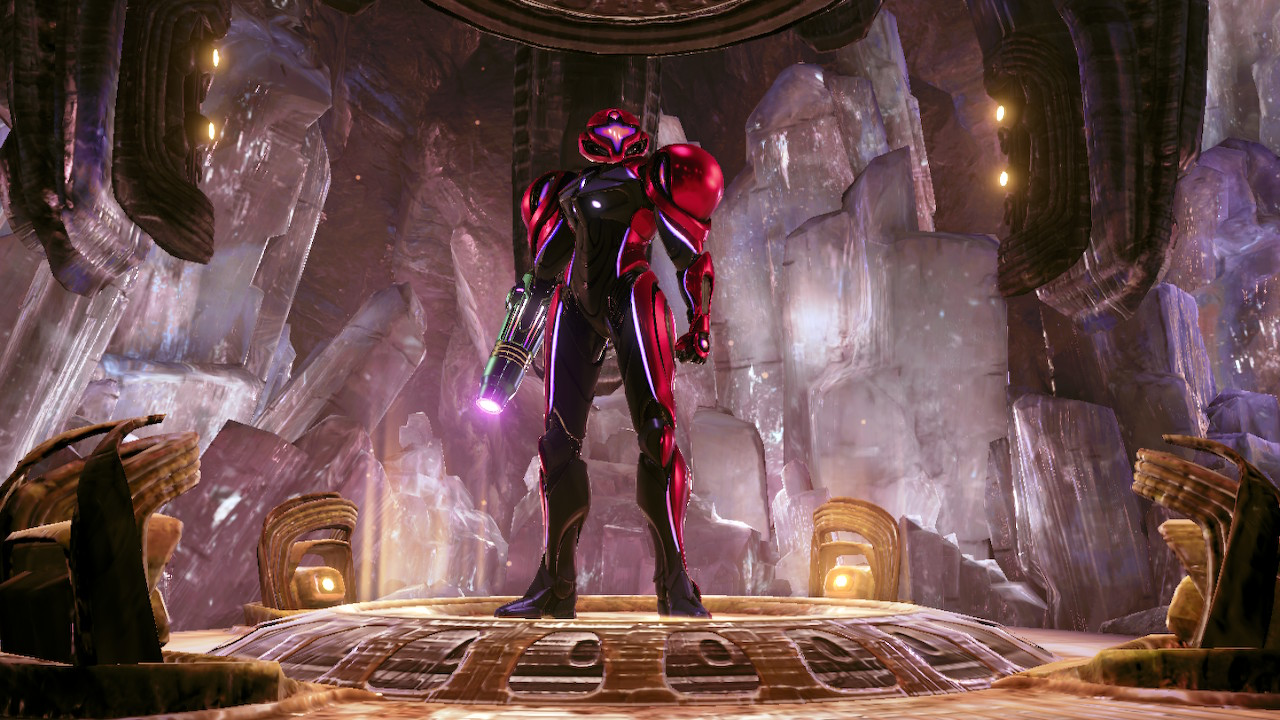
But in replicating the first Prime so closely, it also misses Prime’s larger point.
Remember, the first Prime is a game about ecology. Its significant mechanical addition to the series, the Scan Visor, encouraged players to study everything. The developers and writers had log entries on just about everything that moved, detailing how creatures survived in their own niches and how that shaped the larger ecosystem. It wanted its players to care about the world, and it made it so through its environments.
In the first Prime, the Space Pirates are the antagonists because they want to strip-mine the planet. The Phazon Mines are an environmental testament to their hubris and cruelty.
Beyond’s analogue, the Great Mines, is just a creepy cave with non-stop enemy gauntlets for you and your AI companions to shoot through. There’s barely any hubris, just evidence that the Lamorn mined for psychic minerals with minor lip service paid to the concept of resource depletion.
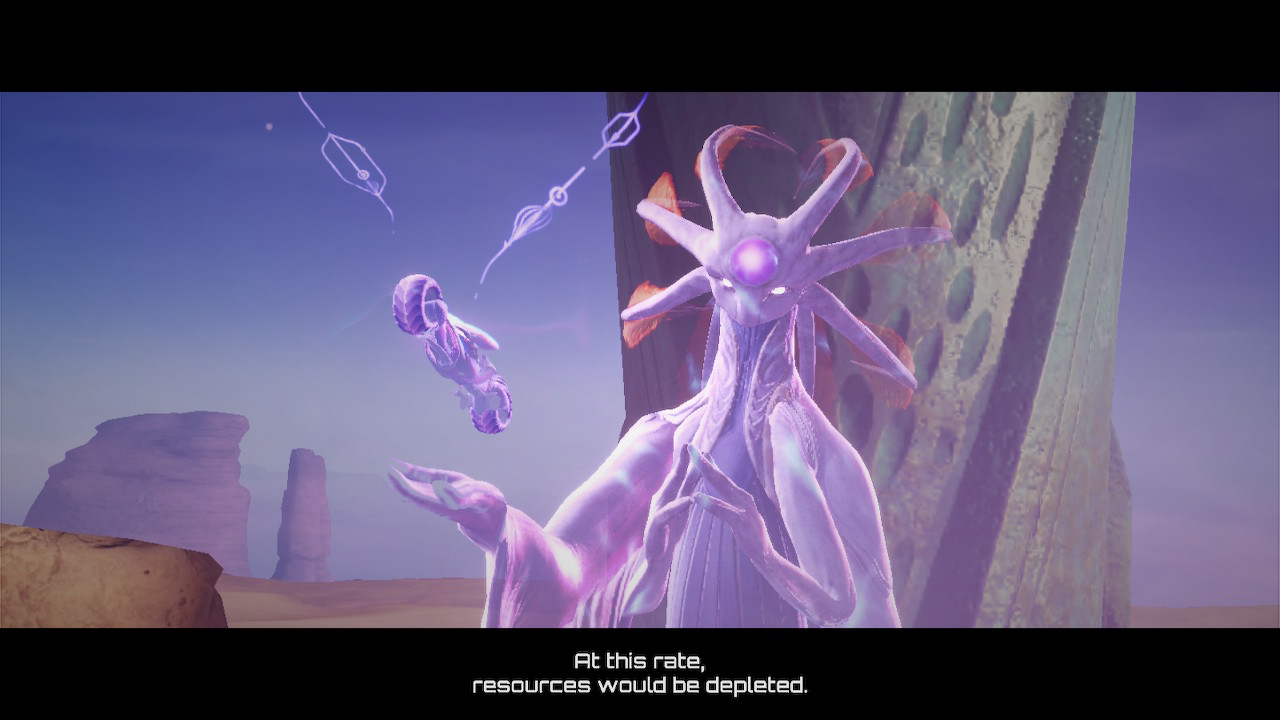
Hell, if anything, the game actively encourages the player to do mining themselves! You need to farm energy crystals in Sol Valley, itself an uninteresting desert tying the different zones together, to get the best beam and suit upgrades and 100% the game. Which I did, like a sucker.
It’s less egregious with the other zones, but there’s still the sense that something’s missing. Beyond’s Ice Belt starts with an intriguing horror angle, but the payoff feels tonally limp and poorly executed, nor does it come close to capturing the awe that I felt walking into Prime’s Phendrana Drifts for the first time.
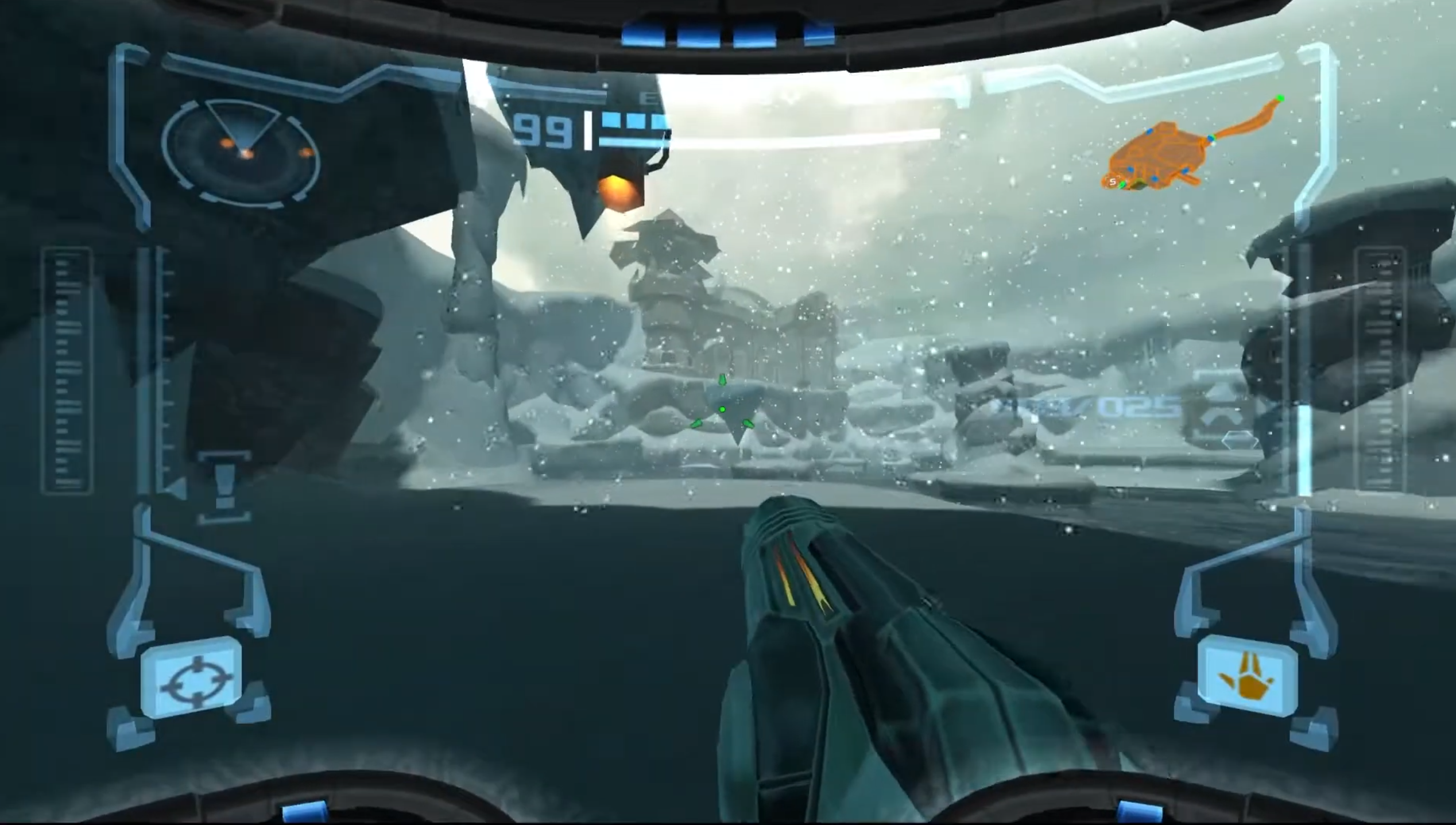
I guess Beyond is able to do more with its Flare Pool zone than Prime did with Magmoor Caverns by sheer virtue of the fact that Magmoor was Prime’s least compelling area by a large stretch.
But broadly, Beyond nakedly copies the first Prime’s homework without doing the hard work of understanding why Prime did what it did. If it weren’t for how bad the character writing was, it’d be just a hollow imitation of a classic. A thoughtless attempt to recapture Prime’s magic.
And believe me: there was magic in the first Prime. The wonder I felt as a kid exploring Phendrana Drifts, the crashed frigate, and the second half of Chozo Ruins was real, and it’s just gone in Beyond. And it’s not just nostalgia; other, much newer games like Outer Wilds and the aforementioned Silksong easily captured that wonder. Silksong didn’t even need a third axis to do so!
But Beyond isn’t just a thoughtless attempt to recapture Prime’s magic, because the character writing is just that bad. It does both Samus and Sylux so, so dirty. Dirty on a deeply personal level; the kind of lazy writing and characterization that inflicts a serious psychic wound on me specifically.
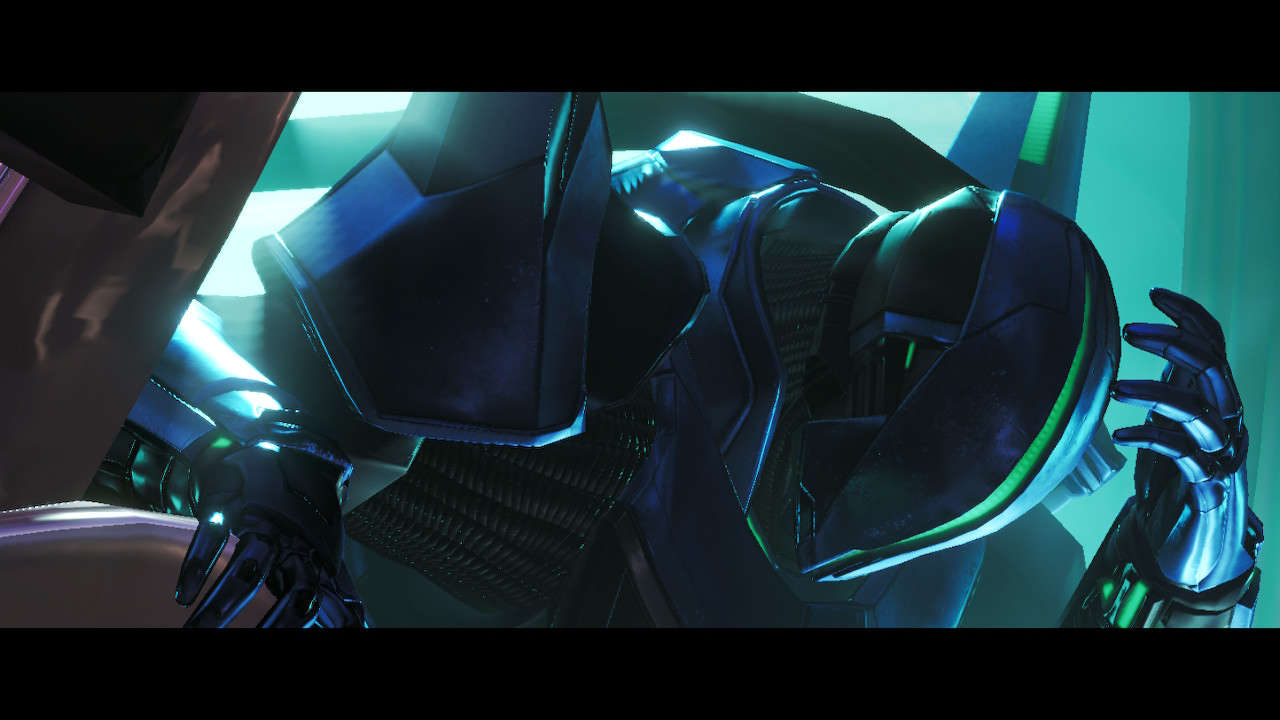
I’m going to need a whole other newsletter just to unpack it. So that’s what I’m gonna do.
See you next week, soldiers.