
The SuperDQP Weekly - March 16, 2026

Okay, just one more newsletter out of Metroid Prime 4: Beyond. This’ll be it on Beyond, for a while, at least. I’ve got one more “and another thing!” to get off my chest.
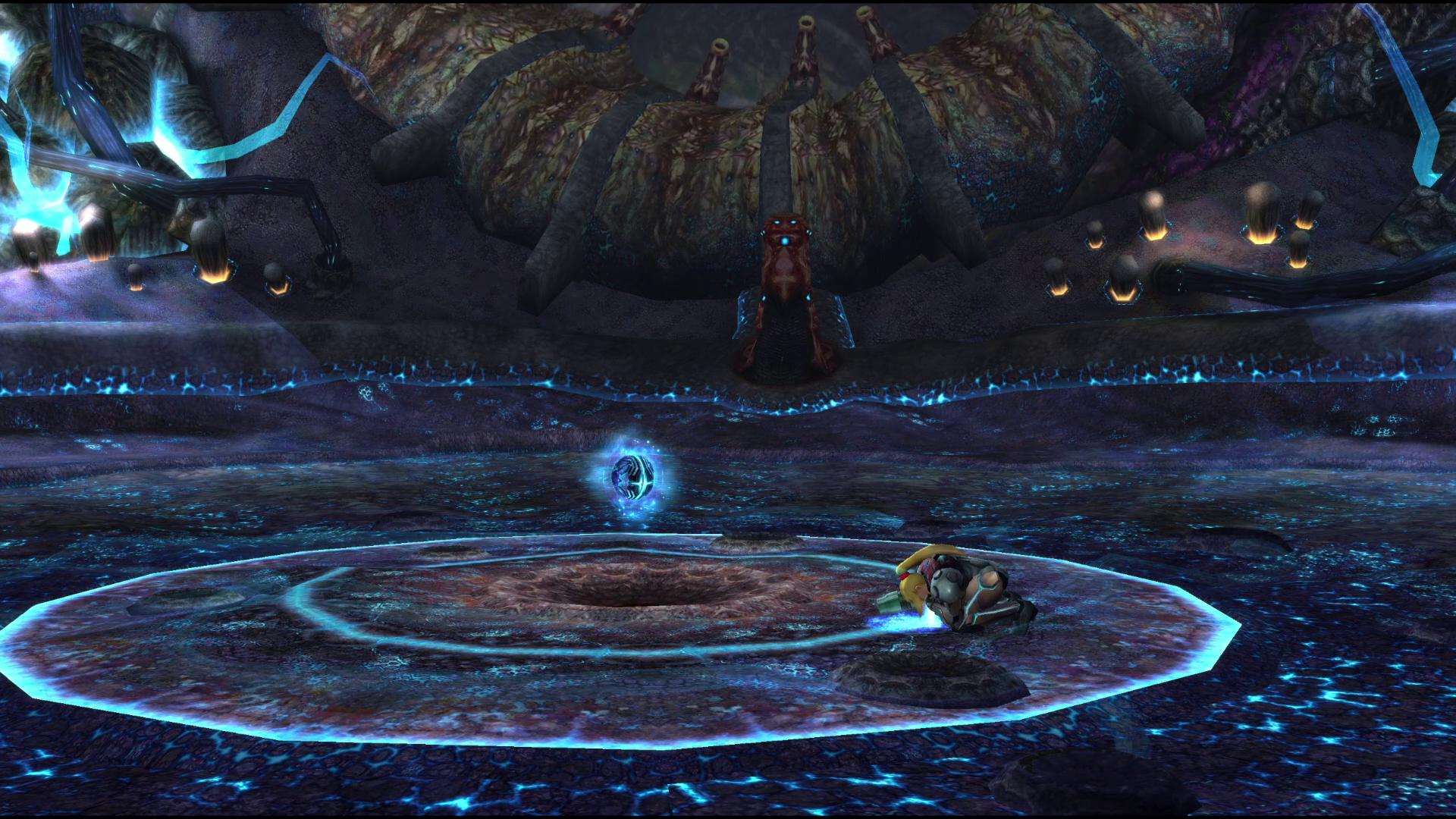
Samus is a character, too
Samus Aran is a strange type of silent protagonist, when she can even be considered one.
Ian Danskin, through his YouTube/Nebula channel Innuendo Studios (this is not my first time referencing him and it likely won’t be the last) made an excellent video on the literary implications of silent protagonists, and he split them into three categories.
 Innuendo Studios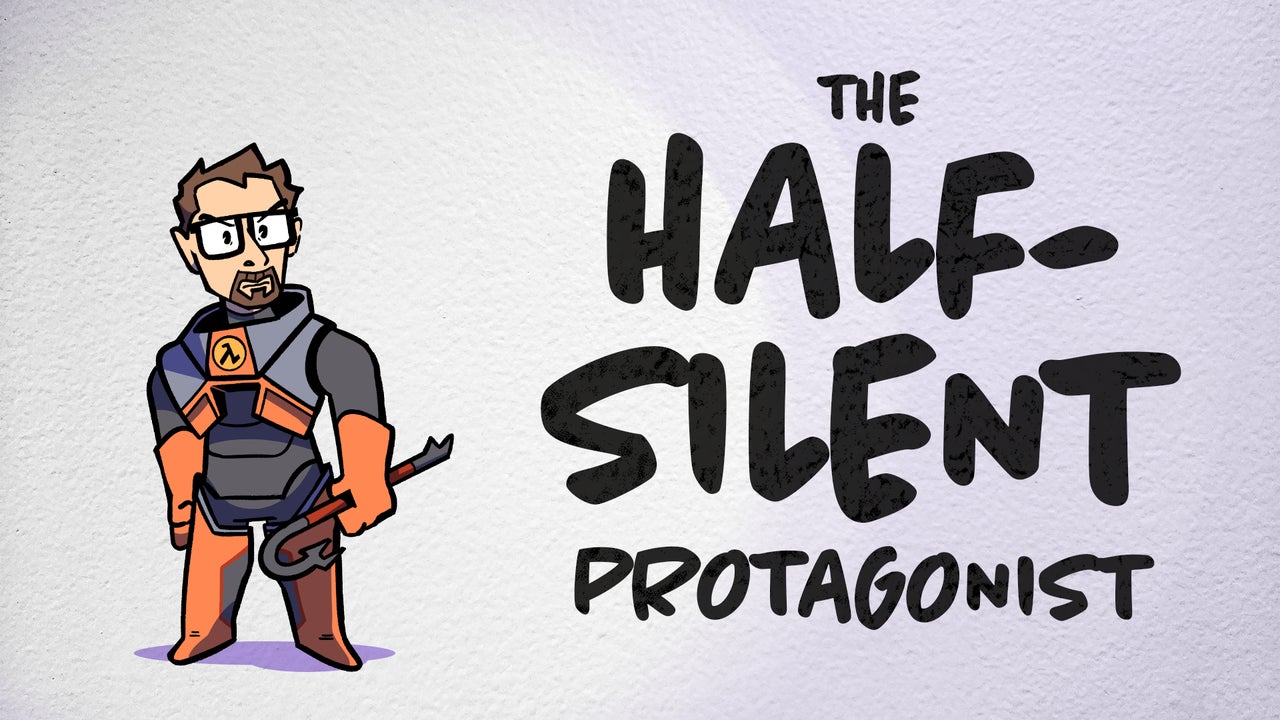
“Links’” voices are never heard, but it is strongly implied that they do speak diagetically through the player’s inferences.
(By “diagetically,” I mean within the logic of the work’s universe. In the titular example, you never hear Link’s voice in The Legend of Zelda: Breath of the Wild, but he does speak, usually through dialogue choices or implicitly offscreen.)
“Knights” are canonically silent. Their silence is commented upon by NPCs, and often has some reason within the game’s lore. The video’s cited example is the player character in Hollow Knight, who cannot speak for… spoilery reasons. I’ll leave it at that.
Finally, the subject of Ian’s video is “Gordans Freeman,” protagonists who do technically have personalities and dialogue, just… not in the game. “Off-page,” as the video puts it. I won’t dwell on it here; I highly recommend checking out the video for yourself if you happen to have a Nebula subscription, as it’s not on YouTube.
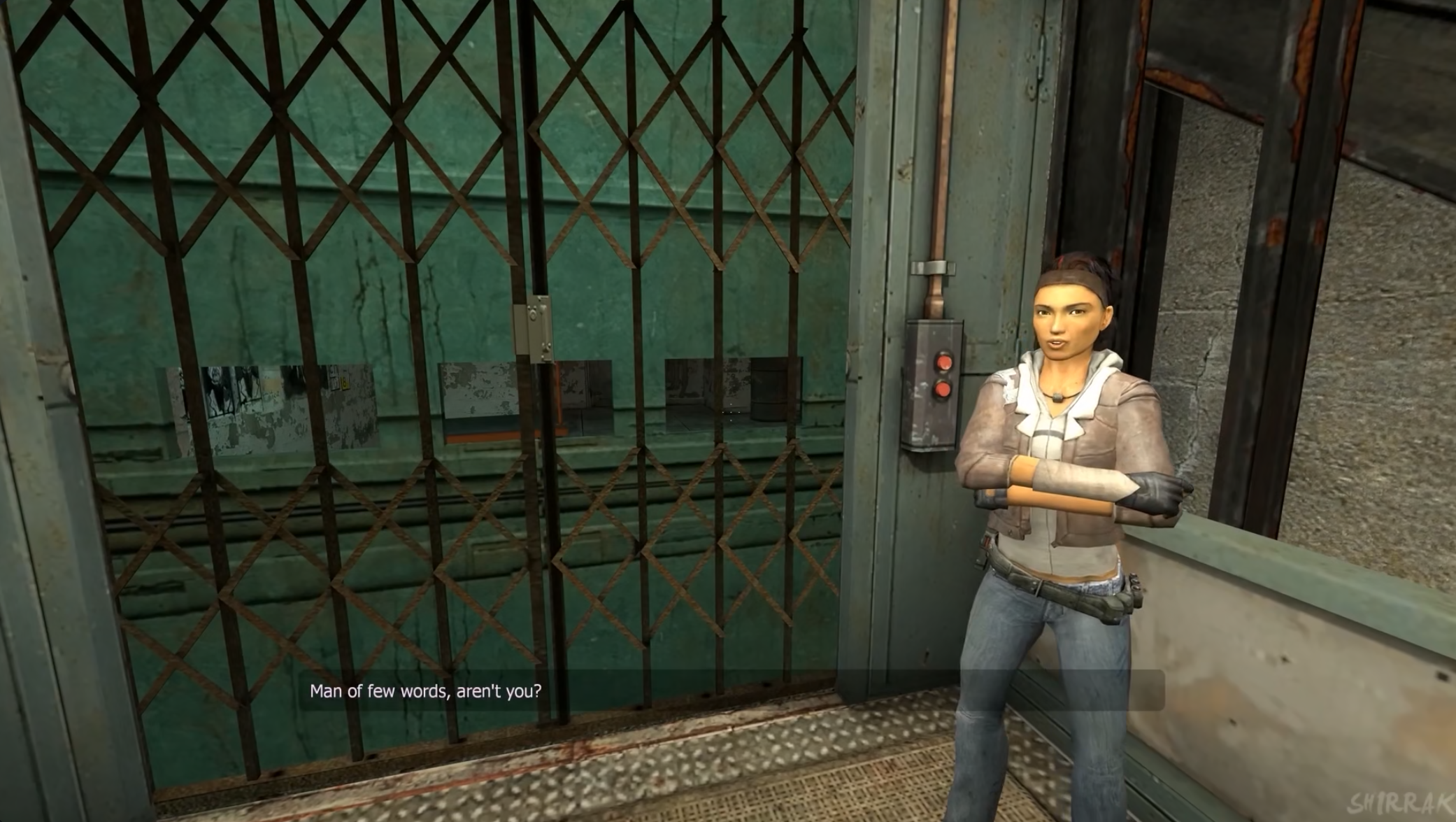
I think these categories are pretty comprehensive when it comes to video games. You could stuff most silent protagonists into those boxes. But I think Samus Aran defies these categories, because she’s not really a silent protagonist. At least, not in a few of the games.
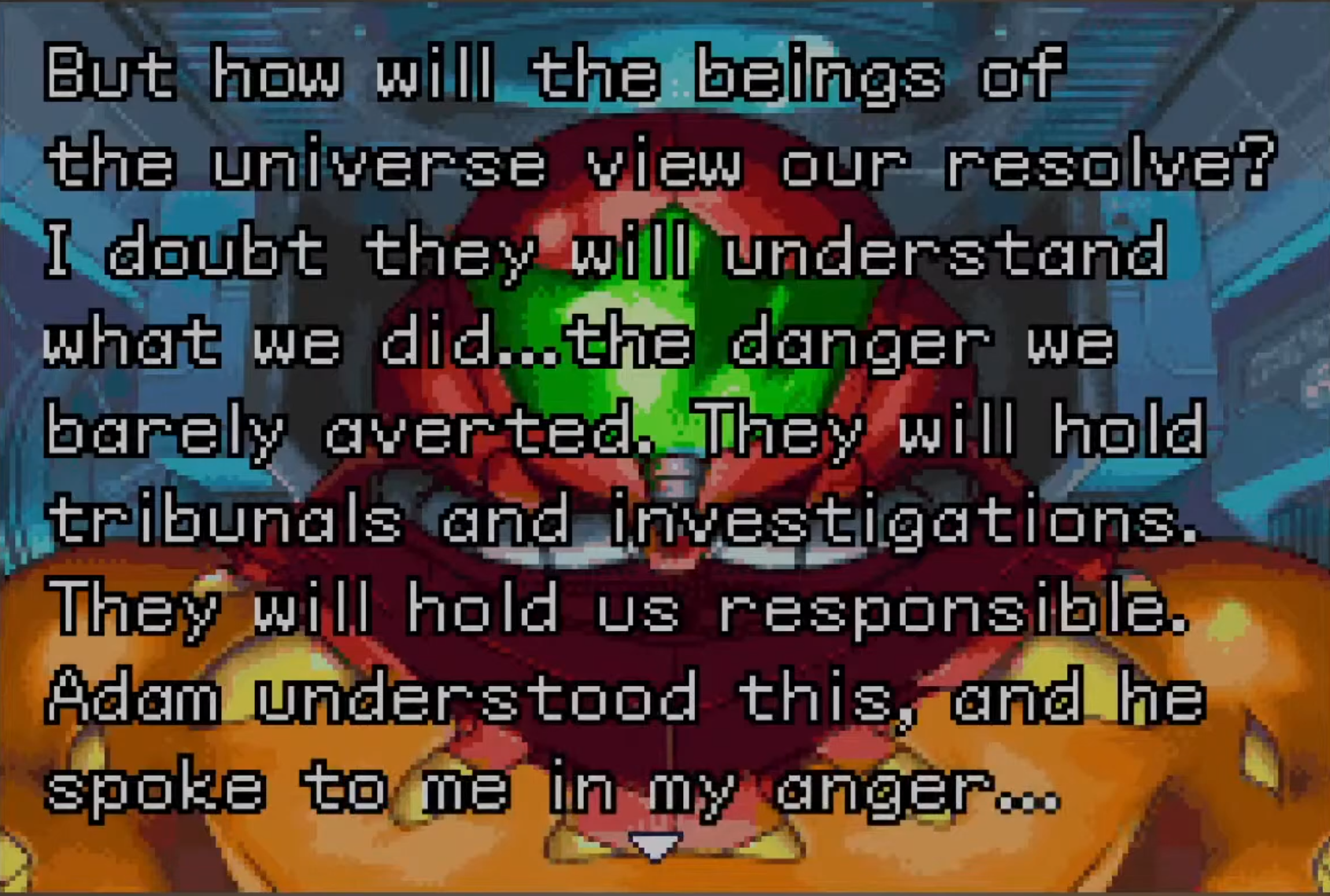
People tend to think of her as such because she largely does not speak in the Prime games or the original Metroid, which is why there was such an uproar when she had extensive voice acting in Metroid: Other M. (It didn’t help that the direction that Jessica Martin, Samus’s voice actor, was given was pretty horrendous.)
But even before those games, even before Metroid Fusion, where she had dialogue and inner monologues of her own, she wasn’t merely a Link, where her dialogue is implied, or even a Gordon Freeman, where her dialogue is “off-page;” she opens Super Metroid with a monologue catching the player up to speed from her perspective. She’s not a silent protagonist. She simply has no reason to speak after landing on Zebes, since there’s no one to talk to.
Again, isolation is one of Metroid’s selling points, especially for me.
(I also shouldn’t leave it unsaid that Samus has a single line of dialogue in Metroid Dread, and it’s the single hardest line she’s ever spoken. I won’t spoil it in detail, but it’s such an incredible moment.)
But I think people tend to confuse her for a silent protagonist because of this, and Retro Studios haven’t been doing this phenomenon any favors by making her one in the Prime games.
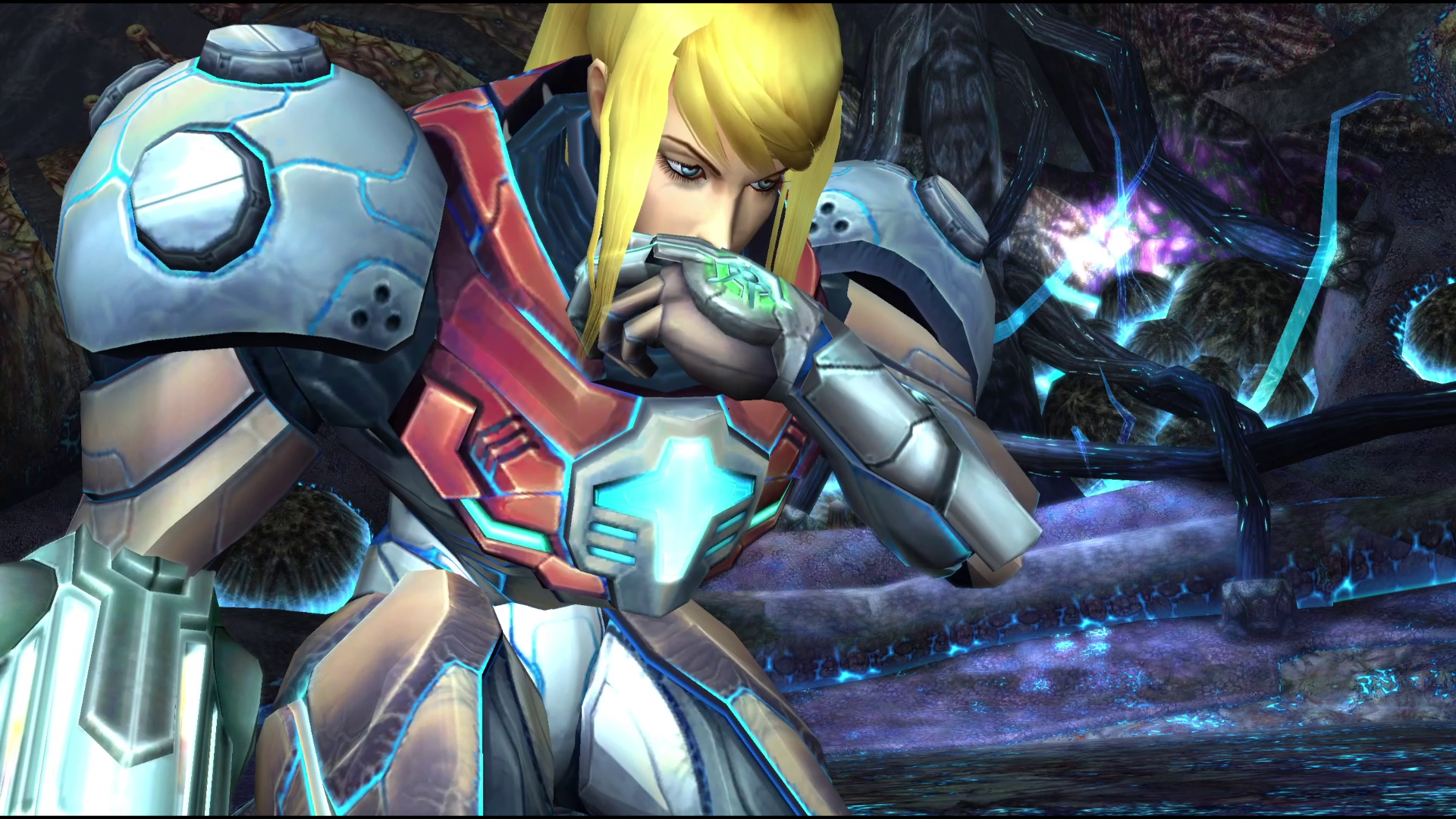
A small part of me wonders if, like their interpretation of the Federation military (as discussed last week), this is merely something that Retro doesn’t “get” about Metroid. I can understand that Samus’s only speaking role prior to the first Prime was the monologue that opened Super Metroid, so their frame of reference for Samus was probably a stoic bounty hunter who kept her mouth shut. But even after Fusion made her a relative chatterbox, they kept her silent for the rest of the Prime games.
This doesn’t really bug me all that much, to be clear. Samus being silent in the Prime games isn’t some grand violation of canon, or anything, and I didn’t even feel the need to comment on it until Beyond came out, for reasons we’ll get to shortly. But I do want to point out that even though Samus invoked her right to remain silent in Primes 1 through 3, she still has an obvious personality. Especially in Prime 3.
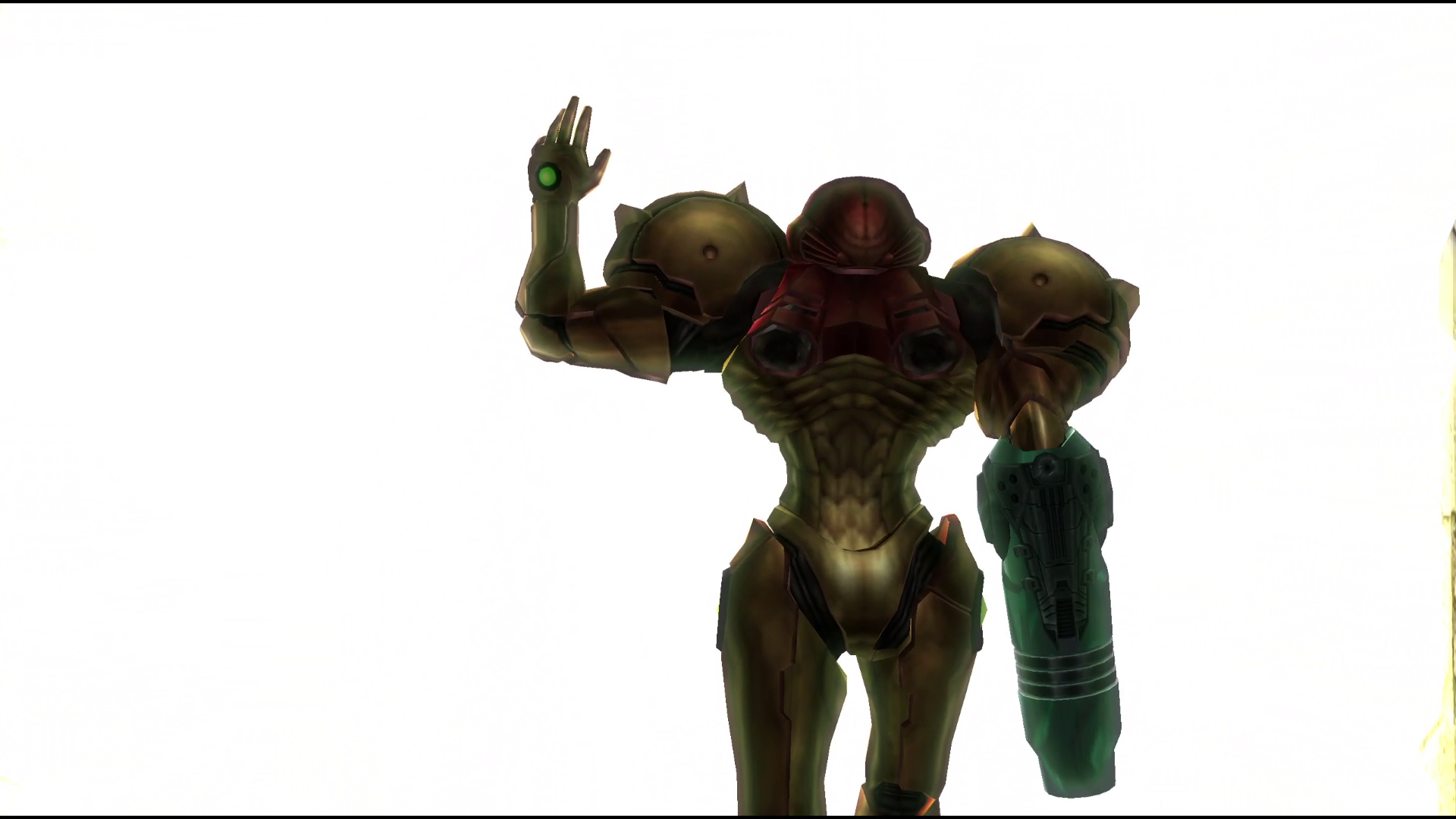
If we’re talking strict, spoken dialogue, then sure, Samus is a silent protagonist in the Prime games, but when it comes to body language, she’s incredibly expressive. Prime’s ending has her looking on the fallen Artifact Temple with clear, visible grief on her face once she removes her helmet. Prime 2’s ending, inversely, has Samus walking off into the figurative sunset, giving the Luminoth a casually cocky goodbye wave after dramatically saving their skins.
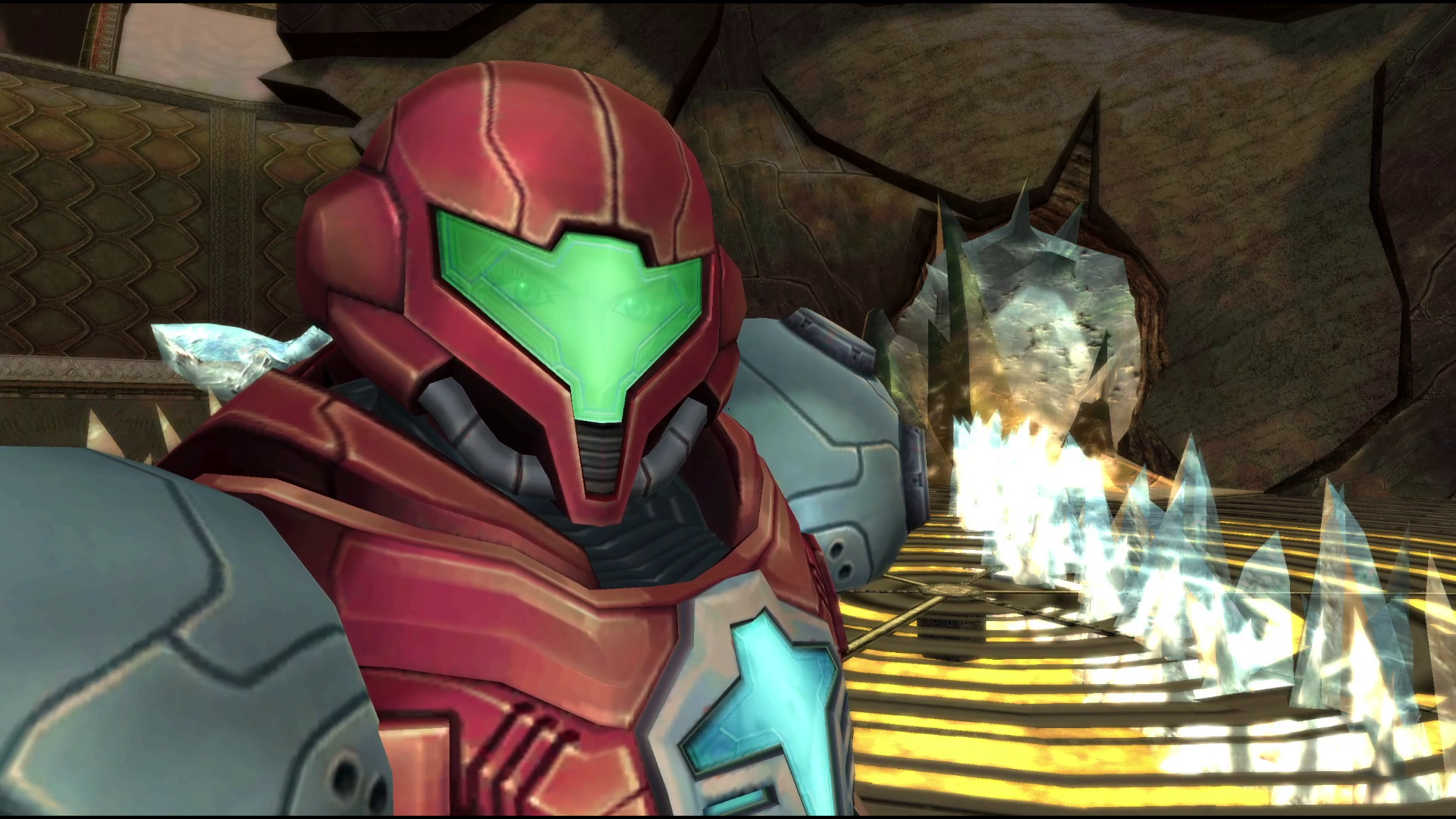
Prime 3 goes way, way further. Throughout the game, her body language expresses regret, rage, sadness, and at one point even nausea, oftentimes without even taking off her helmet.
An important detail here is the eyes. Samus has such expressive eyes in Prime 3, and you see them a lot in cutscenes through her visor. Retro’s animation team did incredible work in the mid-aughts using Samus’s eyes and body to make her a believable character with pathos, all without a single line of spoken dialogue. To do all of that on a Nintendo Wii is an astounding achievement.
I guess all of this would make Prime Samus a “Link,” if we have to put her in one of Ian’s boxes.
And all of this leads into where Metroid Prime 4: Beyond adds one more humiliating layer of disappointment for me.
Beyond Samus is no longer a Link. At best, she’s a Gordon.
In Beyond, Samus is almost completely neutral. Her body language is no longer expressive. Her eyes aren’t even visible through her visor anymore. She reacts to her Federation buddies plainly, with simple nods and points. Even in the good ending, as she removes her helmet and plants the last Lamorn seed, and hangs a friend’s memento from one of its branches – what should be an incredibly mournful moment – she barely emotes at all.
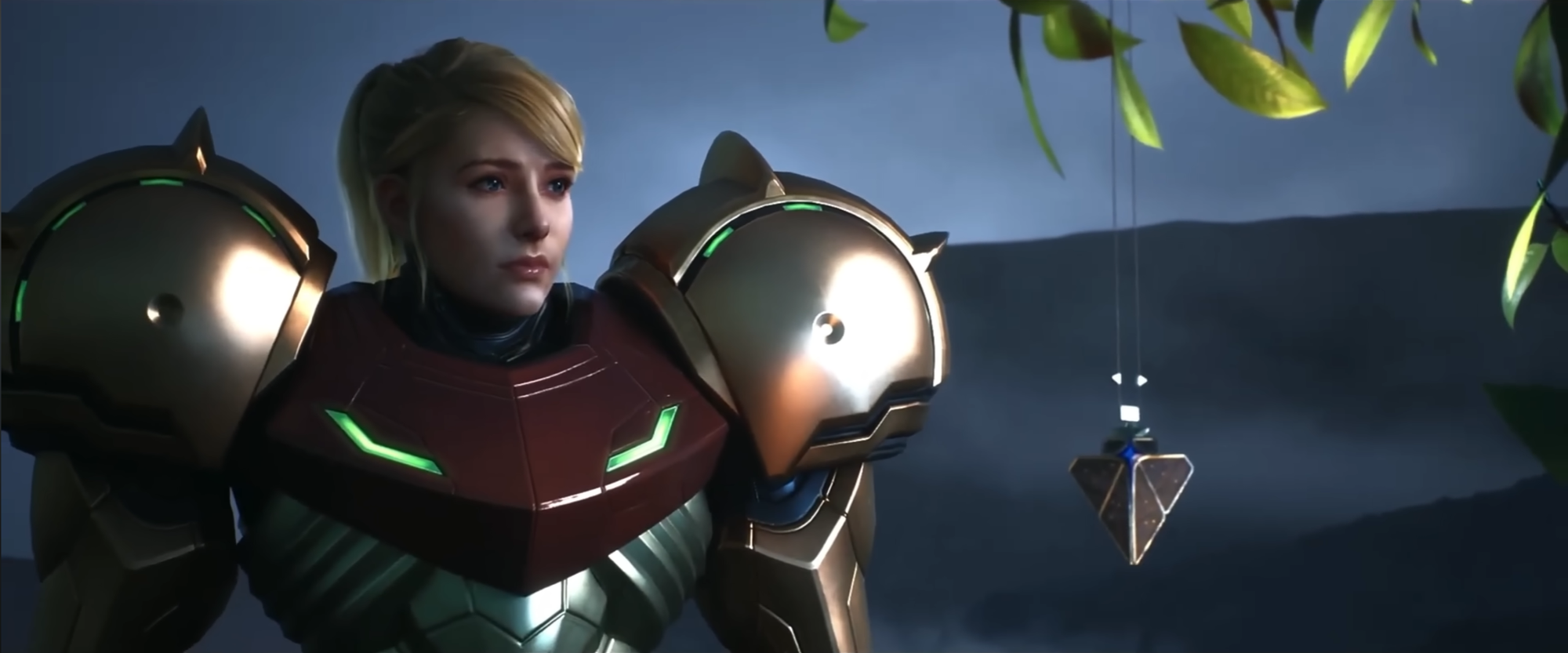
A game that can potentially play at 4K fidelity can’t even muster what the first Prime could on an over two-decade-old GameCube hooked up to a dusty tube TV.
It’s profoundly disappointing.
Samus doesn’t need to be a Gordon or even a Link. She’s Samus. She is a fully-fledged character with a voice and a personality and a heart. That she’s a Gordon, at best, in Metroid Prime 4: Beyond speaks to a massive creative misfire from Retro Studios and Nintendo, especially after MercurySteam just nailed it in Dread only four years prior.
I also think it lends further credence to what I said in my very first newsletter on Beyond: other metroidvanias are just plainly doing this better, in many aspects, with much smaller budgets and teams than Nintendo or Retro.
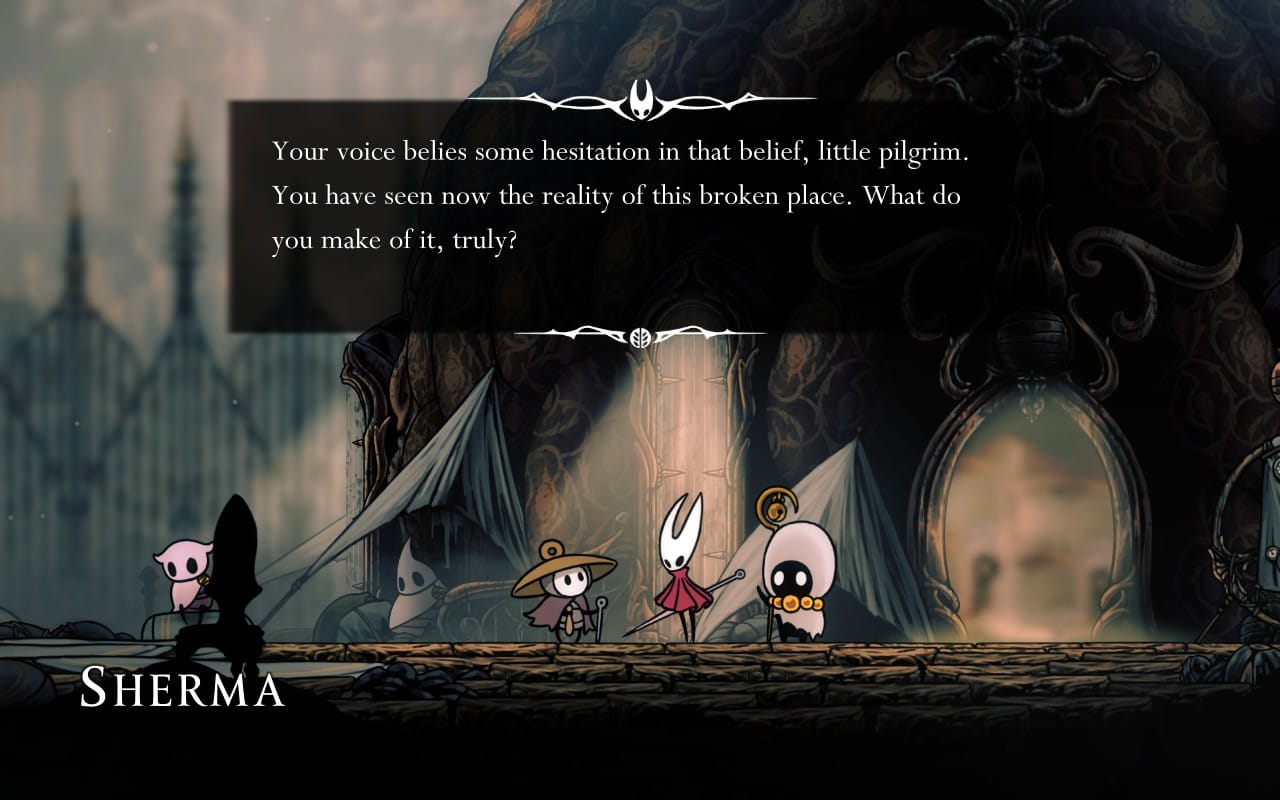
Hornet in Hollow Knight: Silksong, as the obvious example, has been acclaimed by most everyone I’ve talked to or read about the game. Unlike the Knight in the first game, she is a character. She speaks her mind, literally. She feels for the characters in Pharloom, whether they pose a threat to her or not. Her arc is a thematic triumph, speaking to the game’s broader messaging on community, persistence, and faith.
Silksong did so much more than Beyond could dare to dream of. I’m not surprised at that, and I don’t make this comparison to downplay just how much of an artistic achievement Silksong is on its own merits. It was easily my (non-Citizen Sleeper) game of the year last year and will remain one of my most fondly-remembered metroidvanias, right up there with Super Metroid and Metroid Prime. But I think that comparison speaks to how sad and dejected Beyond made me.
Beyond could have been that. It could have had that magic. It could have built on Samus as a character. It could have written Sylux to be an incredible villain, rivaling Dread’s already great antagonist in terms of grandeur and catharsis. It could have built on Metroid’s existing political themes in a real-world climate that it could have truly spoken to. It could have constructed an evocative world to stand next to the previous games, differently, but beautifully.
But it didn’t.
What we have instead is a middling 7/10 video game with a pathetic antagonist, cowardly themes, a derivative world, and a boring interpretation of a storied, beloved character.
Metroid Prime 4: Beyond broke my heart.