
The SuperDQP Weekly - March 9, 2026

I wrote about Metroid Prime 4: Beyond last week, and I consider this week’s newsletter to be a “part 2” of sorts. We’re gonna talk about the choices Beyond made with its characters.
We’re also gonna talk about blorbos.
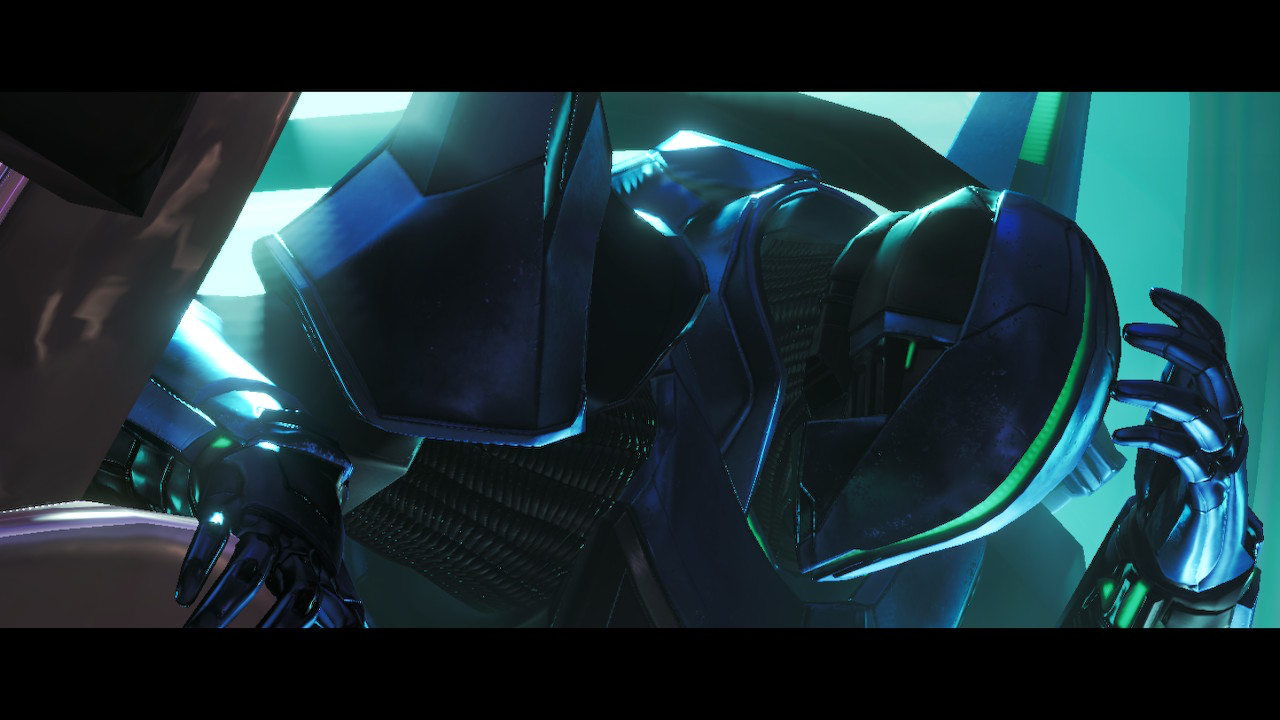
Massive spoilers for Metroid Prime 4: Beyond… uh… beyond this point (and same for Metroid Fusion and Other M)
I started last week’s newsletter by bringing up Metroid Prime and Metroid Fusion and how formative they were to me as I was growing up, and I spent the rest of that newsletter comparing Prime to Beyond without really touching on Fusion. And while I think comparing Beyond to Prime reveals a lot of Beyond’s weaknesses, it’s when I compare it to Fusion that its heart is really laid bare.
The story of the Prime games is largely siloed off from the rest of the series. The 2D games (and Other M) don’t really touch on what happens in Prime or its sequels. This sort of makes sense as the two sub-series are very different in tone and pacing. But there’s a key difference that’s most evident in Fusion.
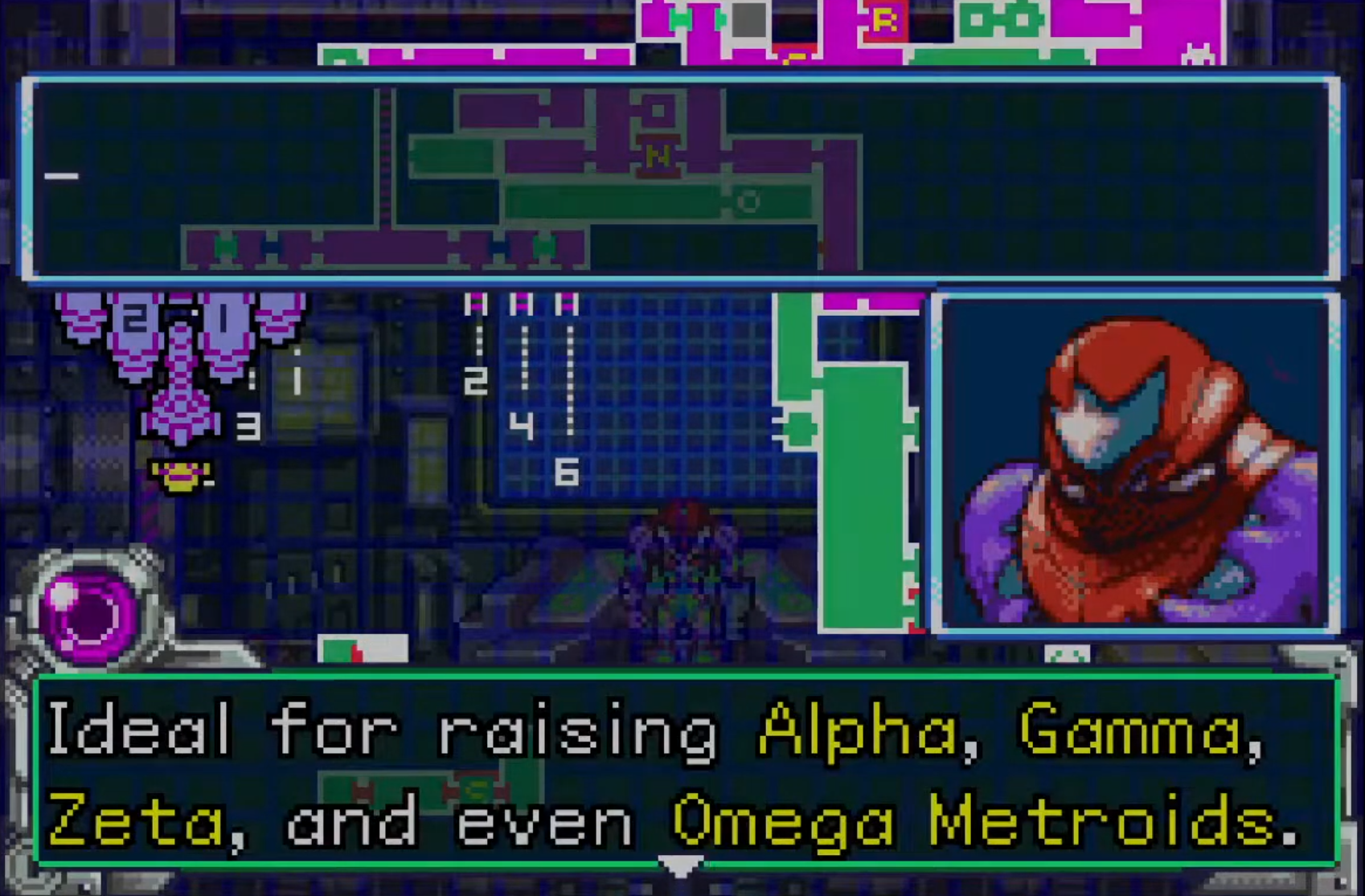
Fusion reveals the Galactic Federation – the America-coded space government that Samus largely takes marching orders from – to be a duplicitous and incompetent organization with Wayland-Yutani-esque ulterior motives for bossing Samus around the way they do. They want to cultivate Metroids and X parasites alike for sinister reasons that they’re not too keen on sharing with her.
It’s for this reason that Samus ends Fusion by defying the Federation’s orders and destroying the X parasites because she (correctly) believes that, left unchecked and in the wrong hands, the X parasites will destroy the galaxy and everyone in it.
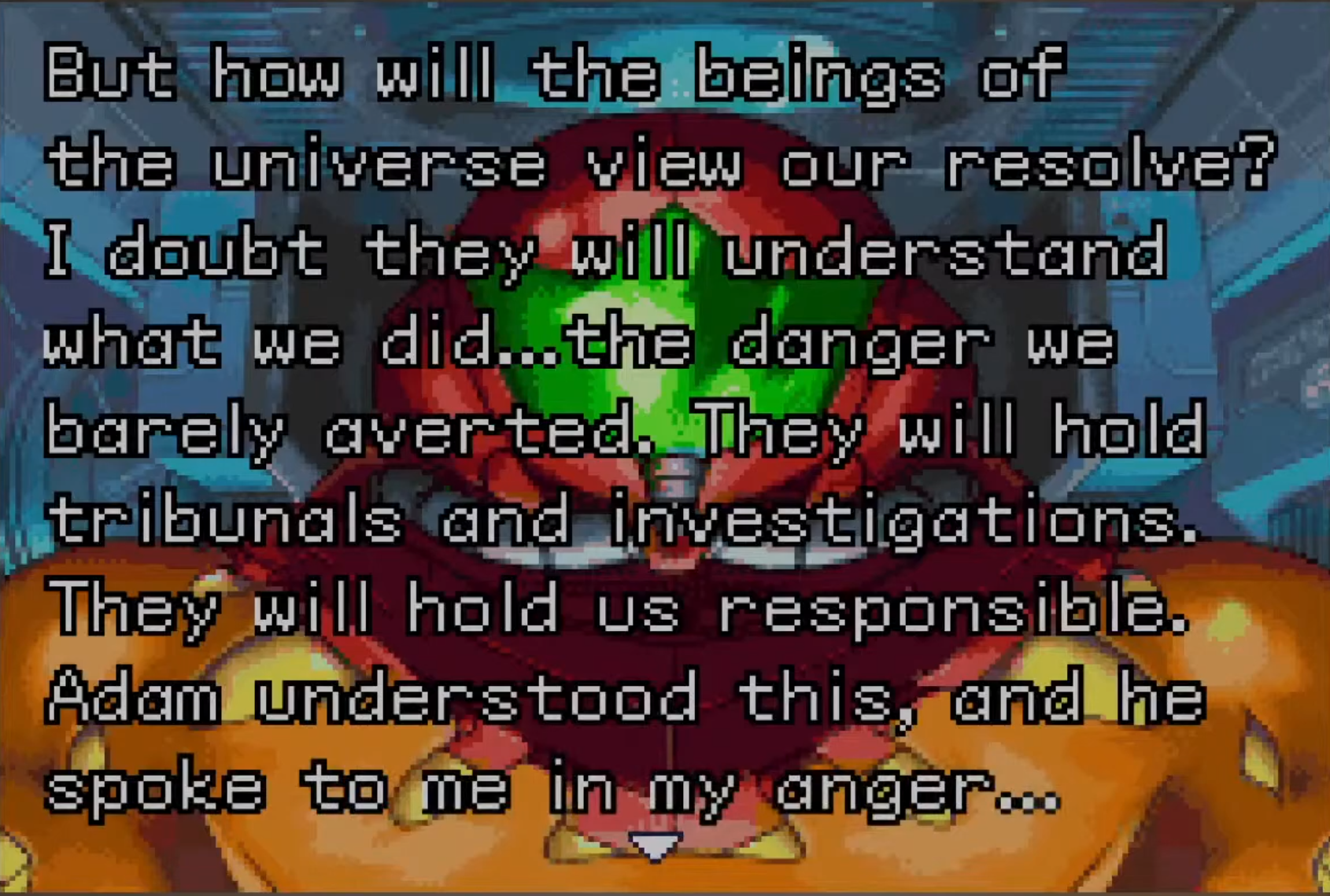
Metroid: Other M, Fusion’s prequel, goes a step further and shows the Federation killing its own soldiers to keep a Metroid breeding program under wraps. Adam has to, like his AI counterpart in Fusion, defy the Federation to do the right thing.
The point I’m trying to get at is that, in the Metroid canon, the Galactic Federation is not an unalloyed good, and at times they rival the Space Pirates in their sinister ambitions.
You just can’t give copies of Metroid Prime and Fusion to a ten-year-old and expect them to grow up with a rosy view of neoliberal imperialism, is what I’m trying to say.
I thus found it strange that Metroid Prime 3: Corruption and especially Metroid Prime 4: Beyond had a rosy view of neoliberal imperialism.
Okay, that might be a little too specific. I think the Prime games have a rosy view specifically of the Federation military.
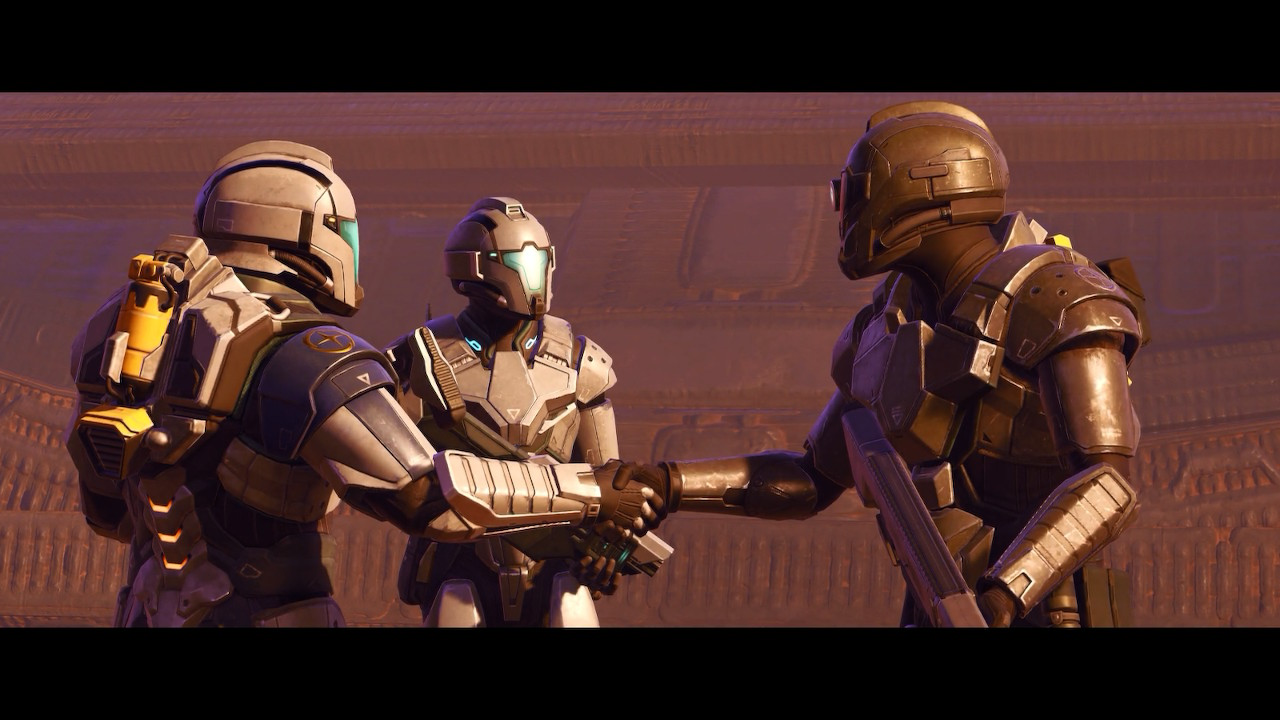
We get a dash of this in Metroid Prime 2: Echoes, where Samus mourns the loss of Federation troops to the Ing near the beginning of the adventure, but Corruption ramps it up by having Samus help the troops fend off attacks and even conduct a raid on a Space Pirate base near the end of the game.
Beyond takes it one step… uh, beyond (I promise these puns are unintentional) by giving Samus her own little band of troopers who help her throughout the game. These troopers haven’t been well-received online; Myles MacKenzie is just as annoying as I was warned he’d be, Reger Tokabi doesn’t really become an interesting character until the last mech part hunt, Sarge is a bland military sergeant archetype, and Nora Armstrong… okay, Armstrong is fun. As a friend of mine pointed out, there’s no heterosexual explanation for Armstrong.
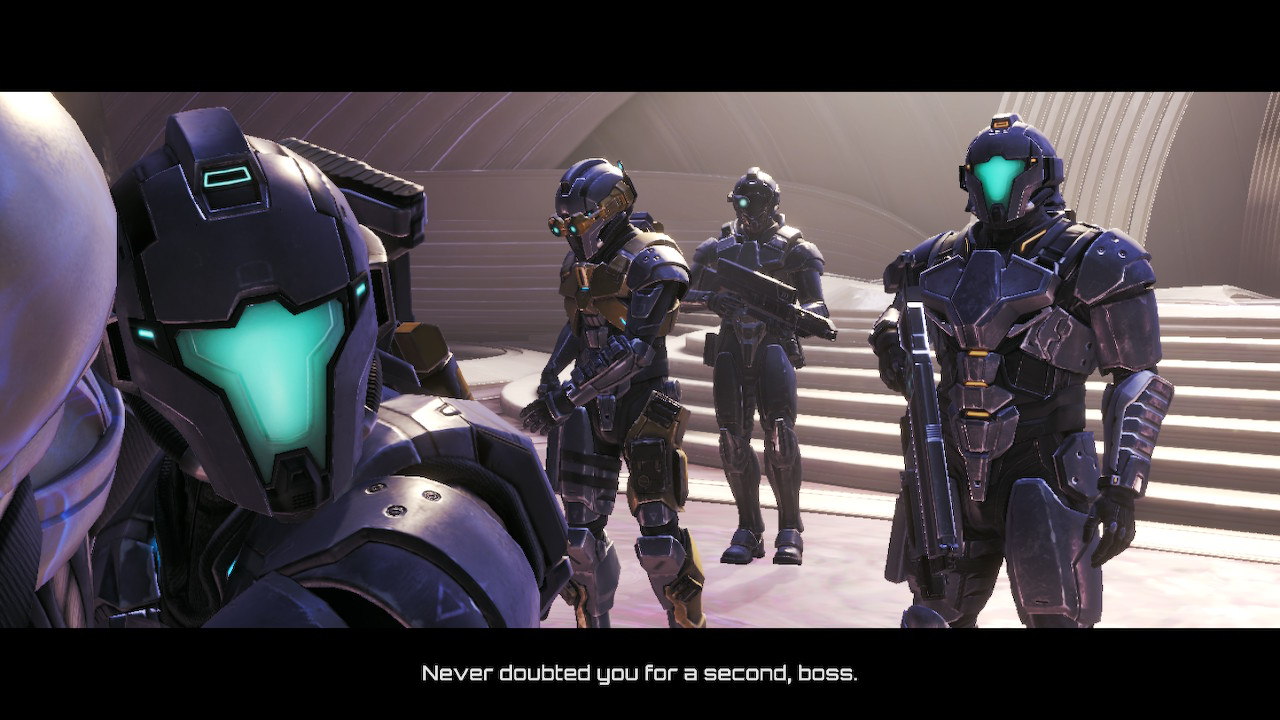
But even so, Corruption and Beyond are shockingly uncritical of the Federation or their actions. And for me, there’s no better demonstration of that shock than how Beyond treats its main antagonist, Sylux.
Metroid Prime spinoffs like Hunters and Federation Force have been subtly pushing Sylux as a potential future antagonist since I was in middle school, when I first played Hunters. Hunters is an interesting game in its own right – a proto hero shooter over ten years before Overwatch would popularize the concept, and on the Nintendo DS, no less – but while Kanden was my main online, the most intriguing character was Sylux.
I still remember reading about Sylux in Nintendo Power; about how his backstory only vaguely described a grudge against the Federation and specifically Samus Aran, with no further details. A complete enigma.
As a kid primed on Fusion’s portrayal of the Federation, it was not difficult for me to imagine what those grievances would be. I had this whole fanfiction in my head of Sylux being an alien from another world, having lost his family and everything he ever loved at the hands of a Federation invasion, driven to terrorism out of madness and grief, stealing Federation tech and using it against them.
Like any fan theory about unknown fictional lore, that would have been better than what Beyond actually gave us.
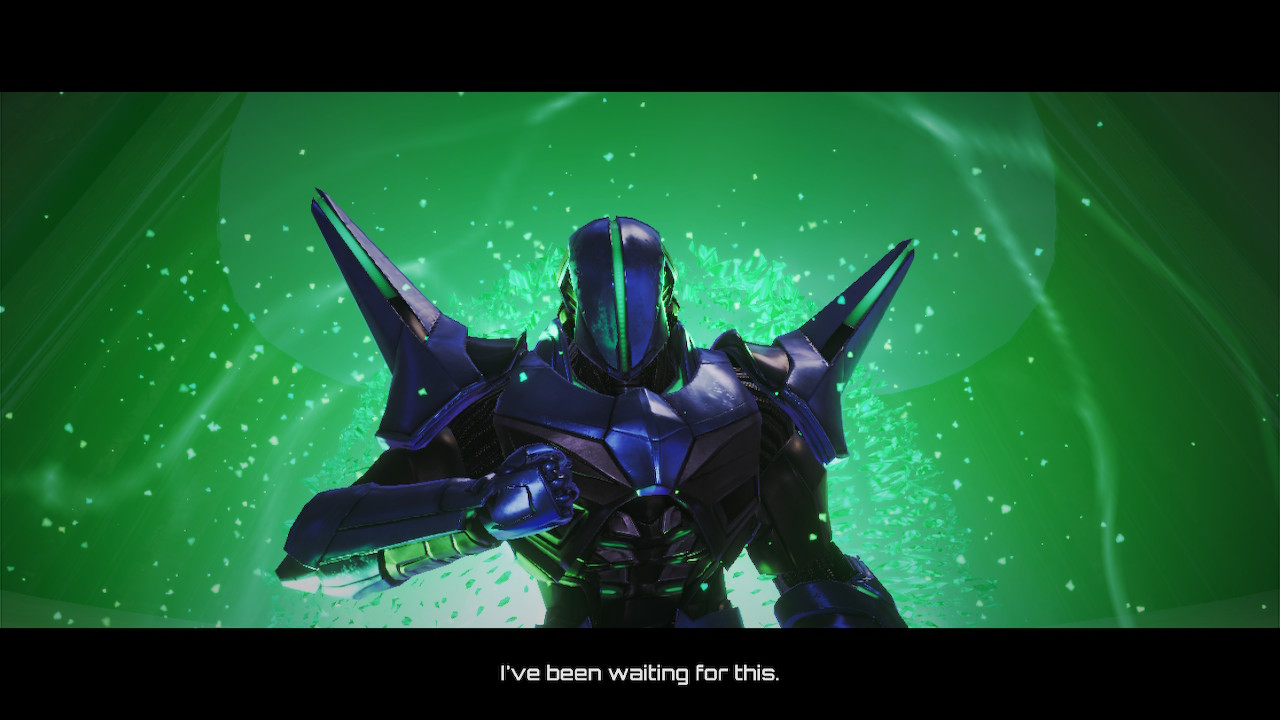
After either coughing up an extra $30 for a Sylux amiibo figure, or getting 100% of all scans in the game – some of which are permanently missable, including a couple near the beginning – Beyond shows you the actual, canon reason that Sylux hates the Federation: he wanted a Space Pirate weapon real bad and the Federation said no, and Samus blew it up.
Petty stolen glory. The man left the Federation military and decided Samus was his nemesis because the Federation wouldn’t let him have his toy.
It’s really pathetic. Perhaps I set myself up for this, making Sylux my blorbo in middle school and hinging a lot of my excitement for Beyond on learning more about him. But it just sucks.
Beyond that, though (unintentional, I swear!), it’s another example of how uncritical the Prime games are towards the Federation. It absolves the Federation of any legitimate reason for Sylux to hate them and pins all of his villainy on his own fragile ego. Making Sylux an interesting anti-Federation villain was a layup and Nintendo and Retro dropped the ball.
In fact, it’s really telling that Sylux’s villainous actions in Beyond – breeding Metroids to further his own ends – are nearly the same actions that made the Federation the secondary antagonists in Fusion and Other M, and that Retro Studios seems unaware of this irony.
I find the contrast between this and games like Fusion and Other M to be absolutely fascinating.
It’s weird on the level of canon, but what I find really interesting is that it demonstrates a potential cultural difference between the largely-American Prime games and the largely-Japanese (and Spanish, in Dread’s case) 2D games.
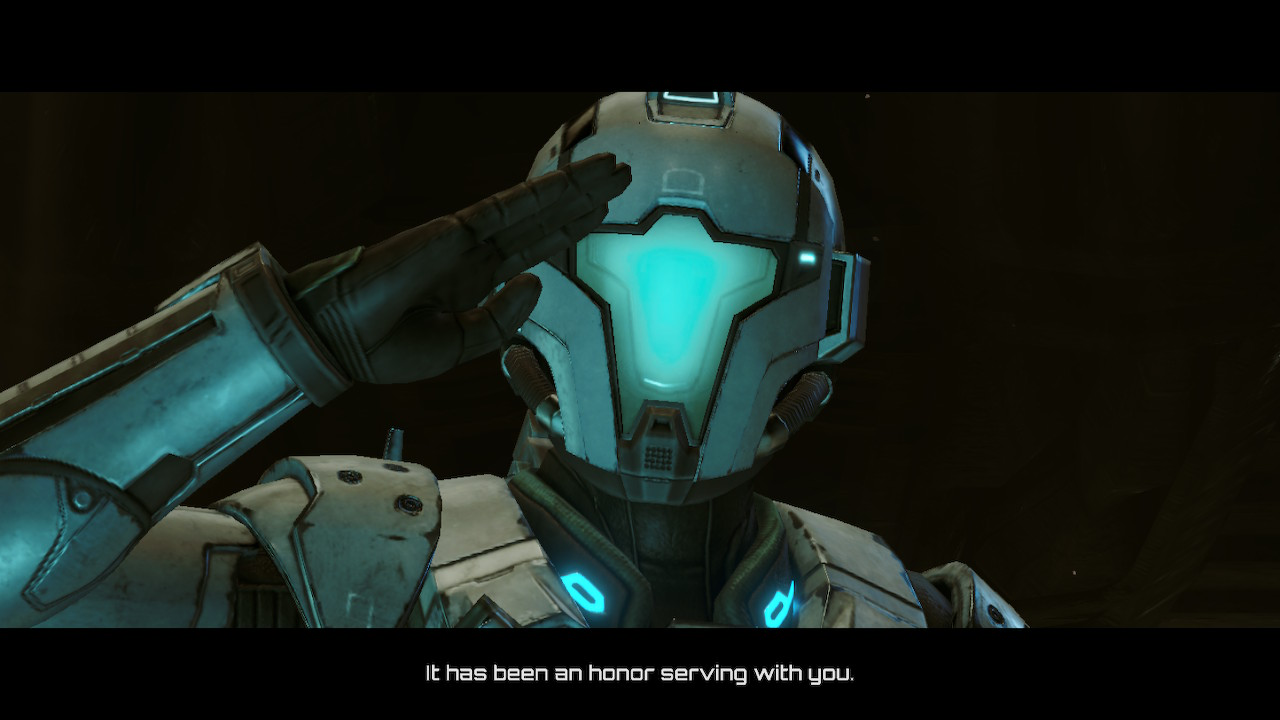
This is incredibly speculative territory, and I say this acknowledging that Kensuke Tanabe, who’s been with Nintendo in Japan since the 80s, was the one who pushed to include and flesh out Sylux in the first place. But I can’t help but wonder if the Federation’s positive portrayal in the Prime games comes down to expectations from America’s video game market.
I remember in middle and high school, Prime 2 and 3 drew a lot of comparisons to Halo. Halo is another game with a sympathetic view of military intervention, featuring bombastic campaigns involving incursions into the enemy territory of religious zealots.
In Corruption’s case, I get the impression that was a comparison Retro Studios wanted. As someone who loves Metroid for its sense of isolation and exploration, I’ve always found the Halo comparison pretty reductive, but Corruption’s story being the way that it is makes me wonder if, in wanting to make it more accessible to the Wii’s new audience, Retro made it another gung-ho space marine military-type adventure, like Halo.
I’ve heard it said that Beyond feels like a game out of time; a 2007 video game released to a 2025 audience. I think that’s true in an aesthetic sense, but also in a political sense. Plenty of video games are still pro-military – Call of Duty and Battlefield are still chugging along – but not as intensely as they were in the 2000s and early 2010s, something I think Spec Ops: The Line takes a lot of credit for.
Beyond is a space marine story ripped straight from the War on Terror years, in tone and in tropes. And after growing up in an environment flooded with games like these, it makes me yearn for Metroid to be as rebellious as Fusion was.