
The SuperDQP Weekly - December 23, 2024
Holidays and Hydrozols

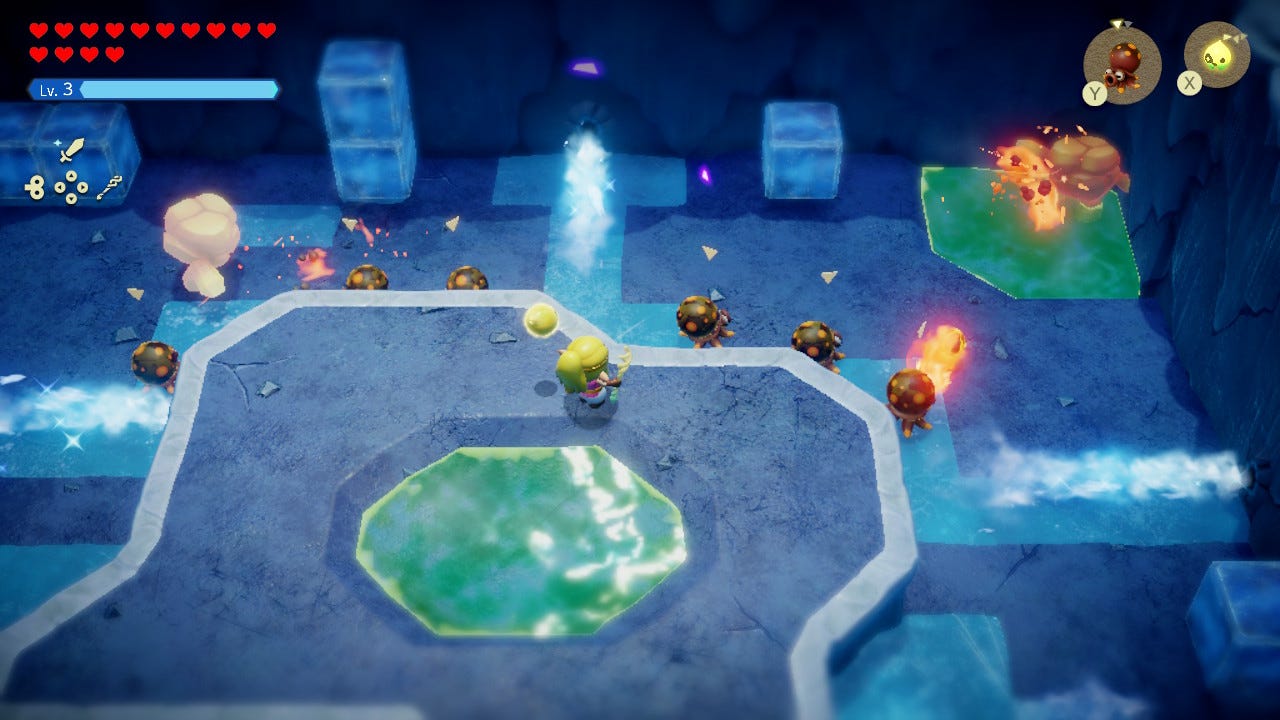
🎵 I want a swarm of Octaroks for Christmaaaaas 🎵 Only a swarm of Octaroks will doooooo🎵
Thanks for reading The SuperDQP Weekly! Subscribe for free to receive new posts and support my work.
My ship sails in the morning. I wonder what’s for game recommendation?
In honor of this newsletter focused on The Legend of Zelda, I propose a terrifying thought experiment.
What if the Zelda CD-i games… were good, actually?
Okay, relax, I’m not about to defend Wand of Gamelon or anything, but this thought experiment ties directly into this week’s game recommendation: Arzette: The Jewel of Faramore.
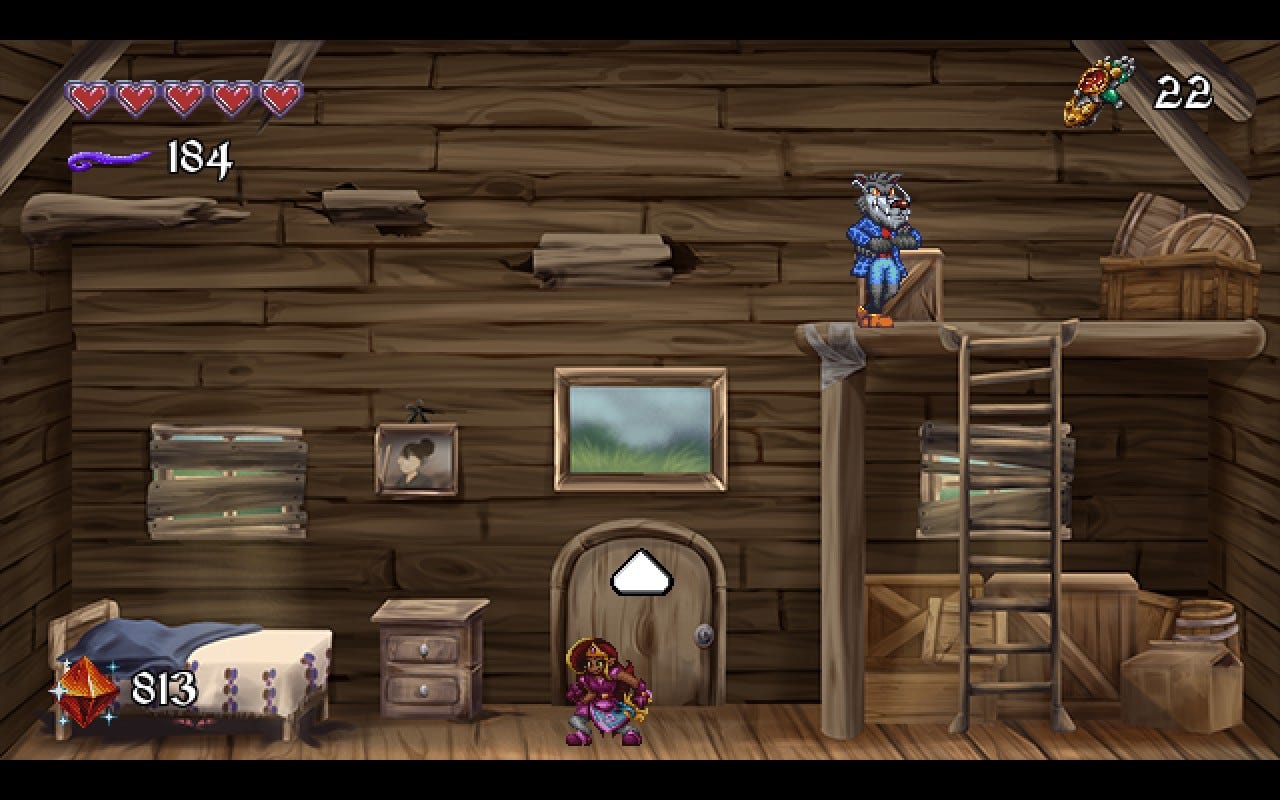
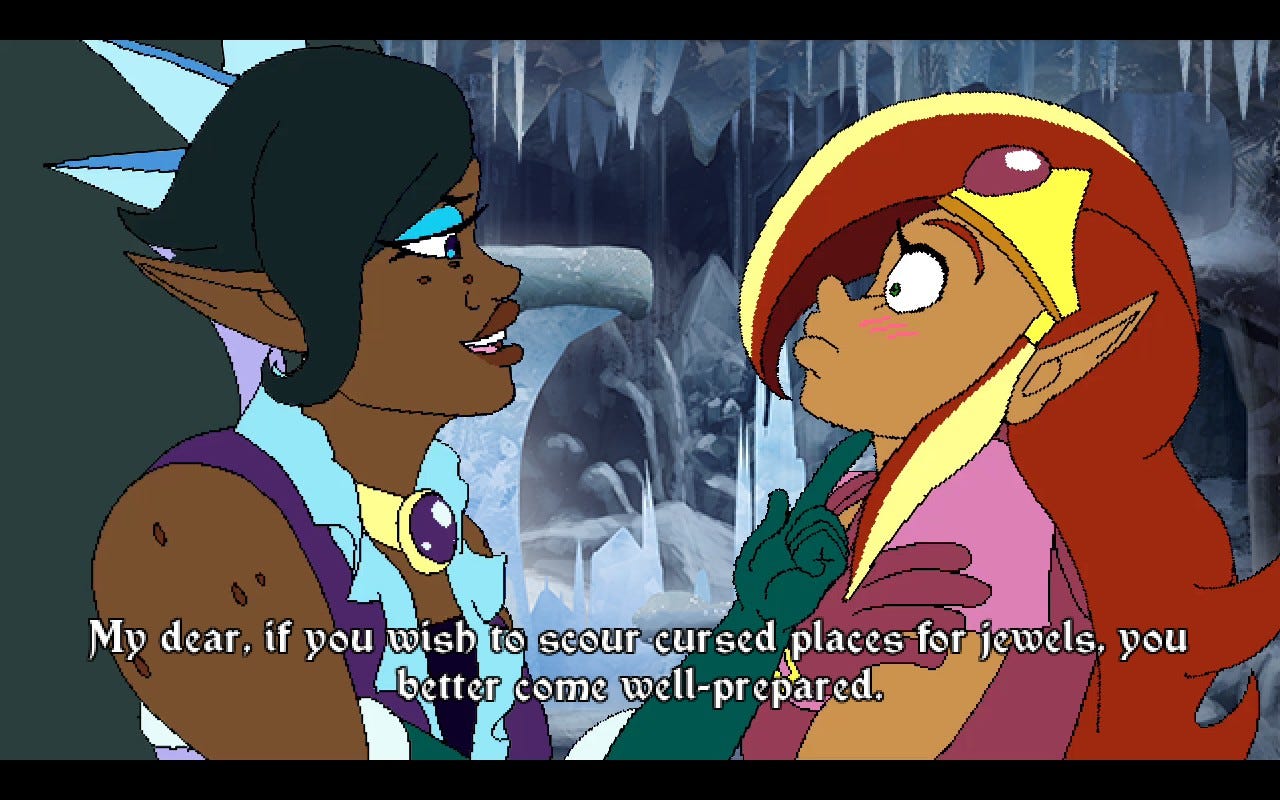
Arzette is designed in part by the developer that worked on unofficial native PC fan ports of Link: The Faces of Evil and Zelda: The Wand of Gamelon and even features voice talent from those games. It deliberately taps into the bizarre camp that led the internet to collectively turn the games into a meme in the mid-aughts, which is a surprisingly difficult thing to accomplish.
When purposefully trying to make something campy, or pay homage to something campy, a developer can run the very real risk of turning their work into an insufferable farce rather than a genuine love letter. Arzette walks that tightrope very gracefully, being charmingly weird in the same ways as the originals without being overly referential.
It’s also a reasonably well-designed metroidvania in its own right, and to boot, it’s very heavily implied that the main character is queer. The Zelda franchise could never.
Arzette: The Jewel of Faramore is currently available on PlayStation, Xbox, Switch, and Windows PC via Steam. It played well on my Steam Deck.
Zelda’s an immersive sim franchise now?
So… the Legend of Zelda series has been taking some pretty wild swings lately, huh?
You may think that, having bemoaned the Paper Mario series for taking on unsuccessful experimental design, I’d have a lot of strong feelings about the changes that Zelda has been making. But to be honest, I don’t have the same kind of nostalgia towards Zelda that I do towards Paper Mario.
So when I see games like Breath of the Wild, Tears of the Kingdom, and this year’s Echoes of Wisdom trying new things, I get more excited than anything else, because, yes, I am one of those people who thinks that the Zelda series was starting to calcify throughout the GameCube and Wii eras, culminating in the crushingly linear Skyward Sword.
(I’m being a little mean. I think Skyward Sword has a lot of redeeming qualities, and the current Switch release lets those qualities shine brighter than before.)
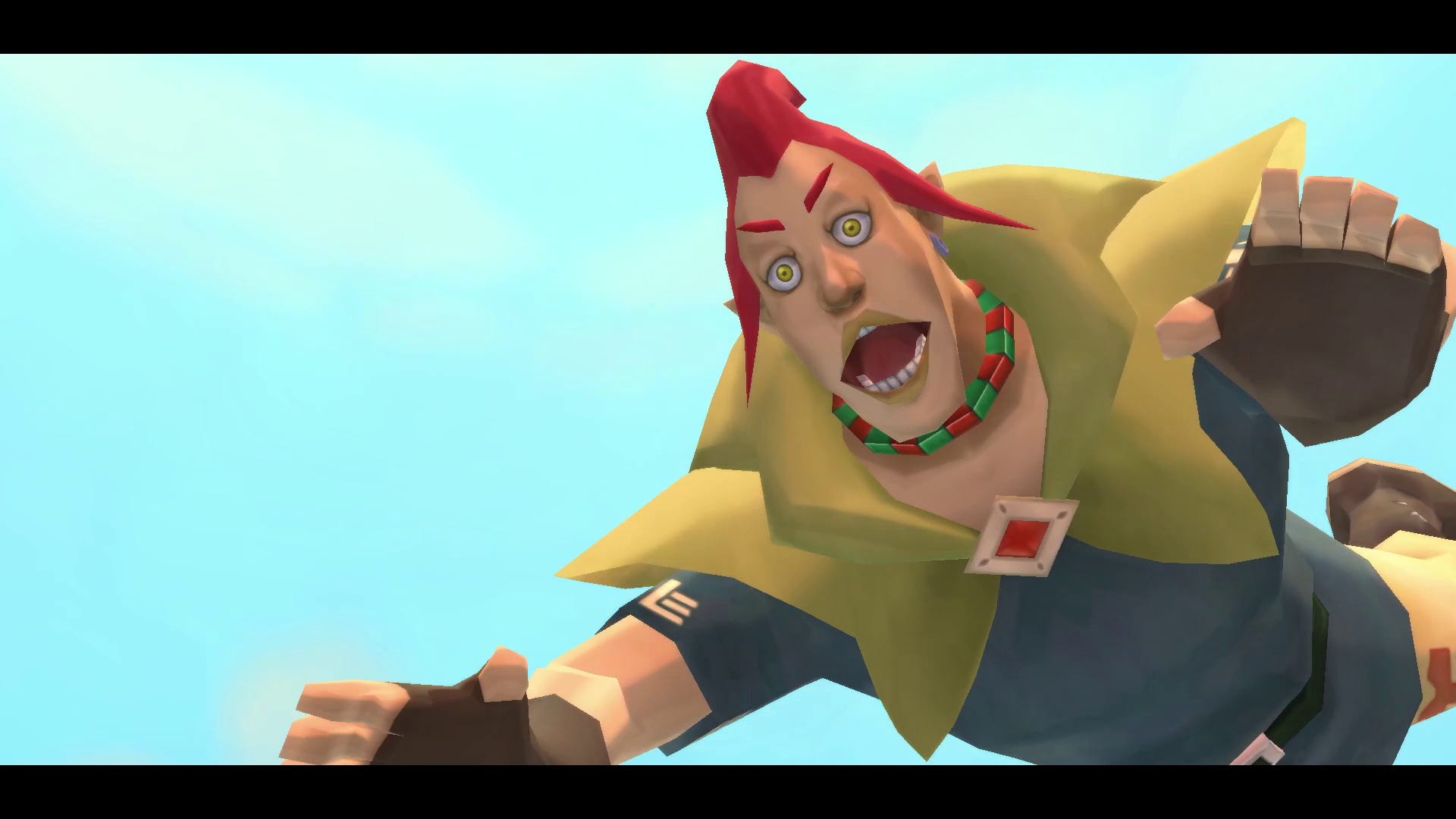
The next game, Breath of the Wild, and I’m sure nobody’s written this pun before, was a breath of fresh air. (I’m not sorry.)
In an attempt to bring the game’s design back in line with the original Legend of Zelda from 1986, Nintendo researched games like Skyrim to offer players a more open playground in which to solve problems using broader game systems.
And that’s been the guiding principle for the series since. Puzzles have gone from one-solution brain teasers to massive open-ended conundrums that can be solved in a variety of ways.
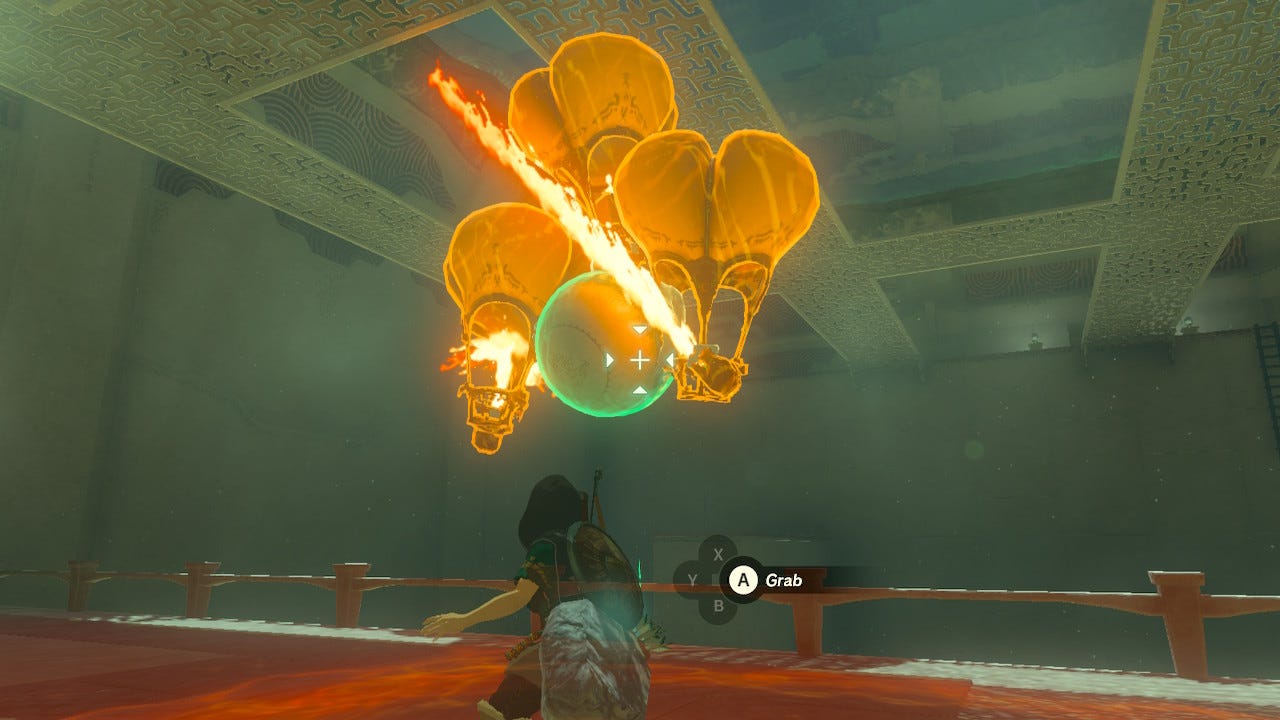
I’m not the first person to point out that it now plays a lot like an immersive sim.
For those not familiar with the term, immersive sims are games set in a realistic, reactive space with many systems that interact with one another that the player can throw a wrench in. Sometimes literally.
While the genre was pioneered by games like System Shock and Thief, a lot of the genre’s design philosophies have bled into other, more popular games, like Metal Gear Solid V and, yes, the most recent Zelda titles.
Whether this is a positive change for the series largely comes down to personal taste. Myself, I like it, but I already love the original Deus Ex and Arkane’s Prey reboot, so I’m coming in biased.
The fact is that immersive sims are really, really hard to balance and design. Dominant strategies are easy to form and that can render the game into a repetitive slog really easily if designers don’t have a way to temper those strategies.
My favorite immersive sims are the ones that require me to think on my feet with the limited resources I have. It’s all well and good to invest experience points in lockpicking in Deus Ex, but lockpicks aren’t easy to come by, so sometimes I need to improvise. (Read: blow the lock open with a rocket launcher.)
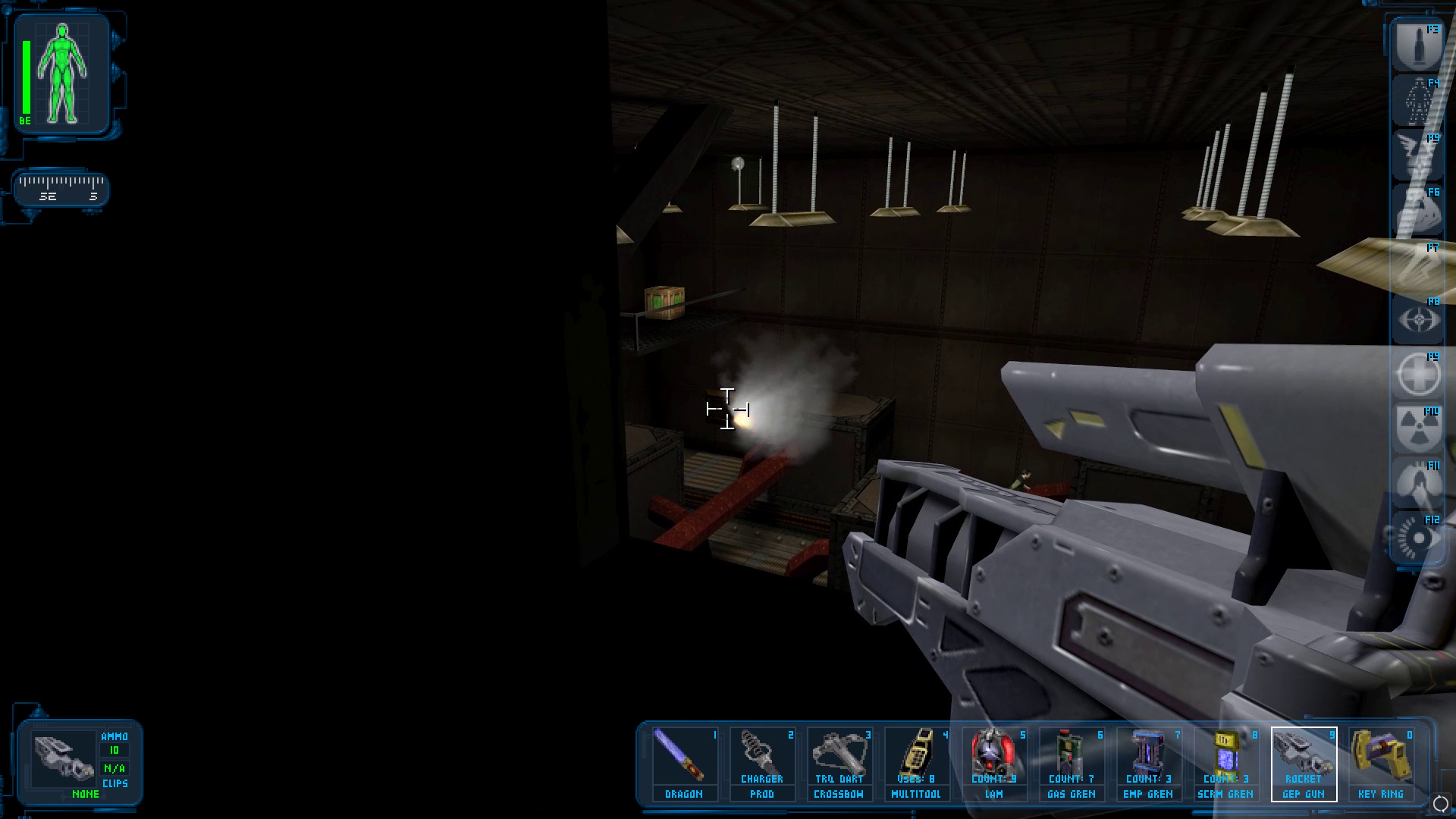
It’s that improvisation that makes imsims special. So do the new Zelda games manage that?
Kind of. Sorta. Almost.
Breath of the Wild is the biggest success story here, in my opinion. I actually like the weapon durability system in that game (doing so while being active on the internet often makes me feel like a crazy person) because I rarely get attached to many pieces of gear. Seeing the “x weapon is about to break” message pop up on screen is a treat for me, because it means that the fight that I’m in is about to change.
Throwing broken weapons is fun. Getting that last, powerful whack in with an explosive shatter feels good. It makes my brain feel good the same way that a good shotgun in an FPS does. And like running out of ammo in an FPS, it’s a demand to shift my tactics and playstyle and work with what I have. I love games that do that.
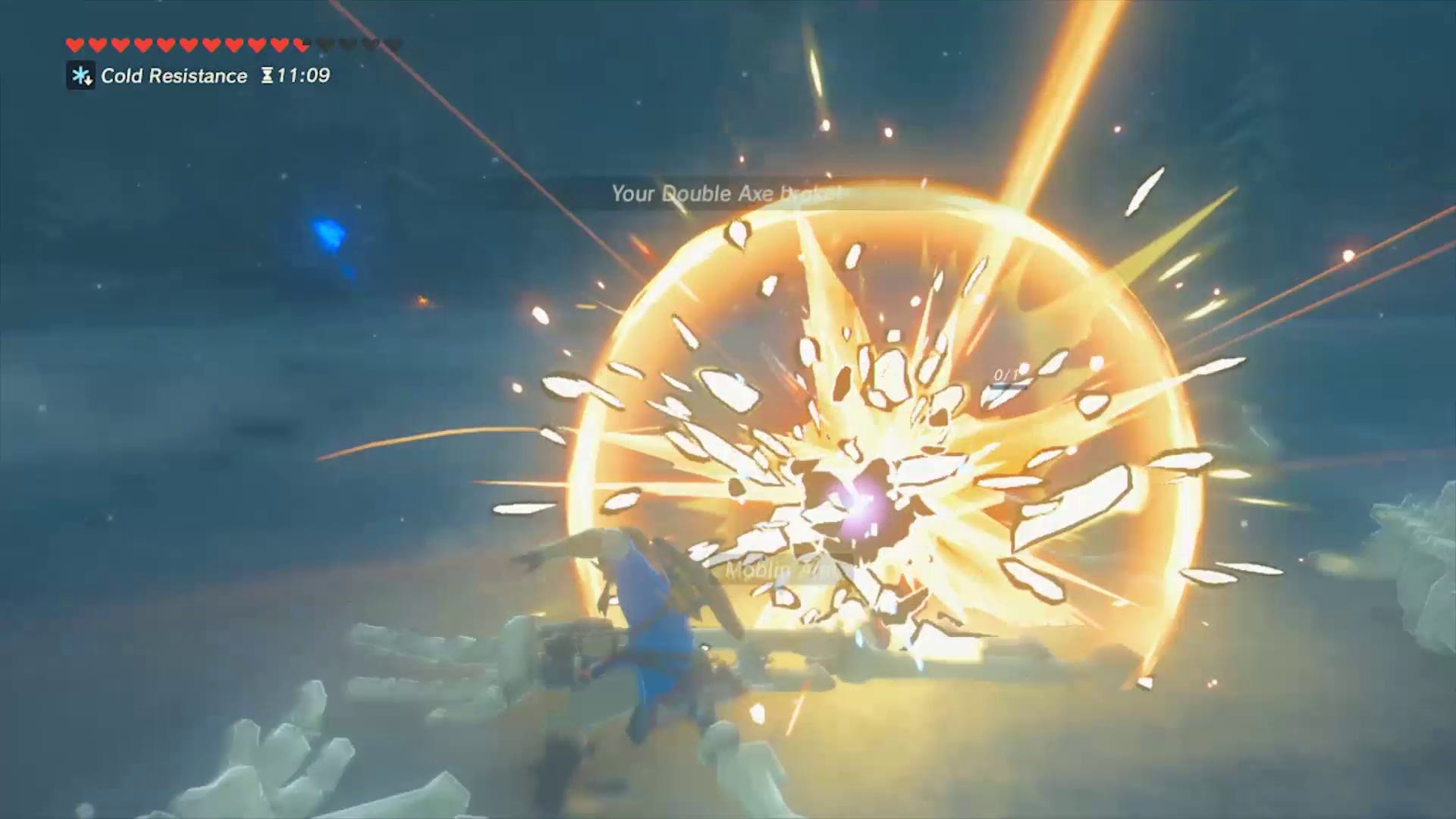
And I’d be remiss not to say that, yes, like many others, I did use dropped metal weapons for a lot of the electricity puzzles, and yes, I felt like a genius. I love it. I’m here for it.
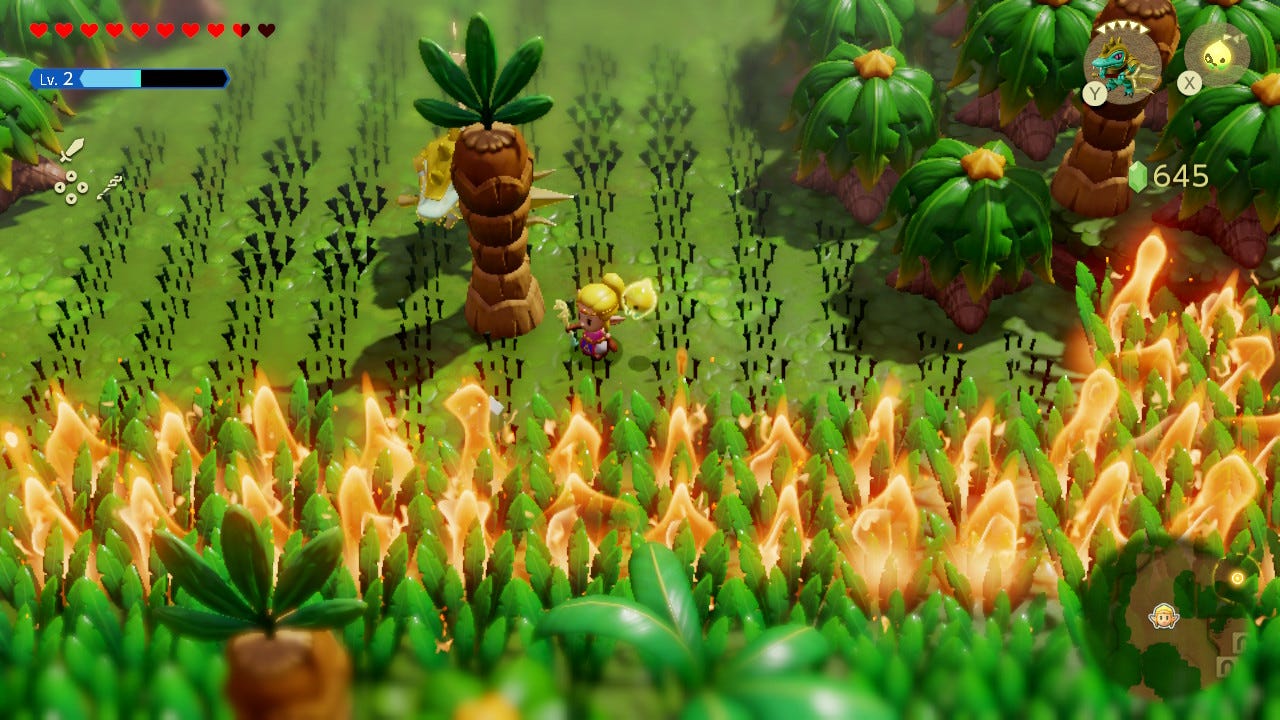
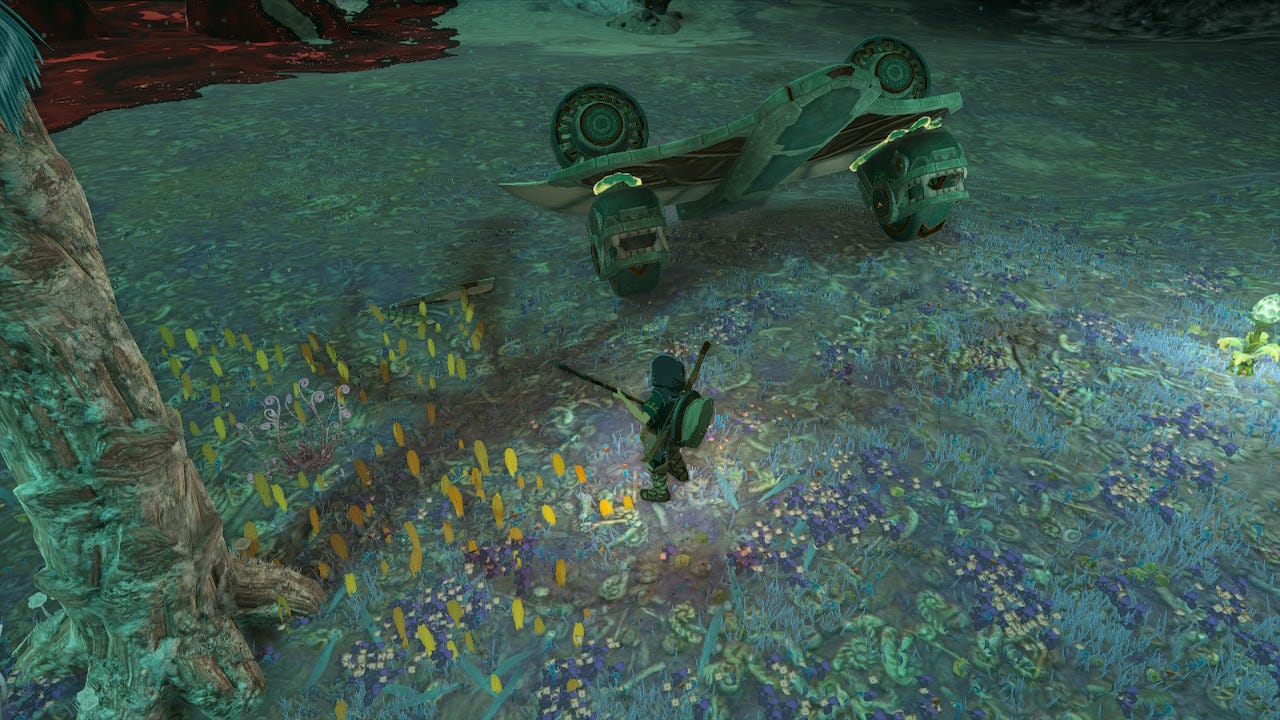
Unfortunately, Tears of the Kingdom and Echoes of Wisdom both fall into that trap of dominant strategies forming. I found that in Tears, I wound up relying on the same types of contraption over and over again, especially once I unlocked Autobuild and the game let me use Zonaite to build old devices hassle-free. I spent eighty hours in that game and an uncomfortable chunk of it was spent flying a fan-wing plane, and with the game set on the same world map as Breath, the sense of discovery that made Breath magical was largely gone from Tears.
(I also have a lot of grievances with Tears’ storytelling decisions, but this is not the place to air them.)
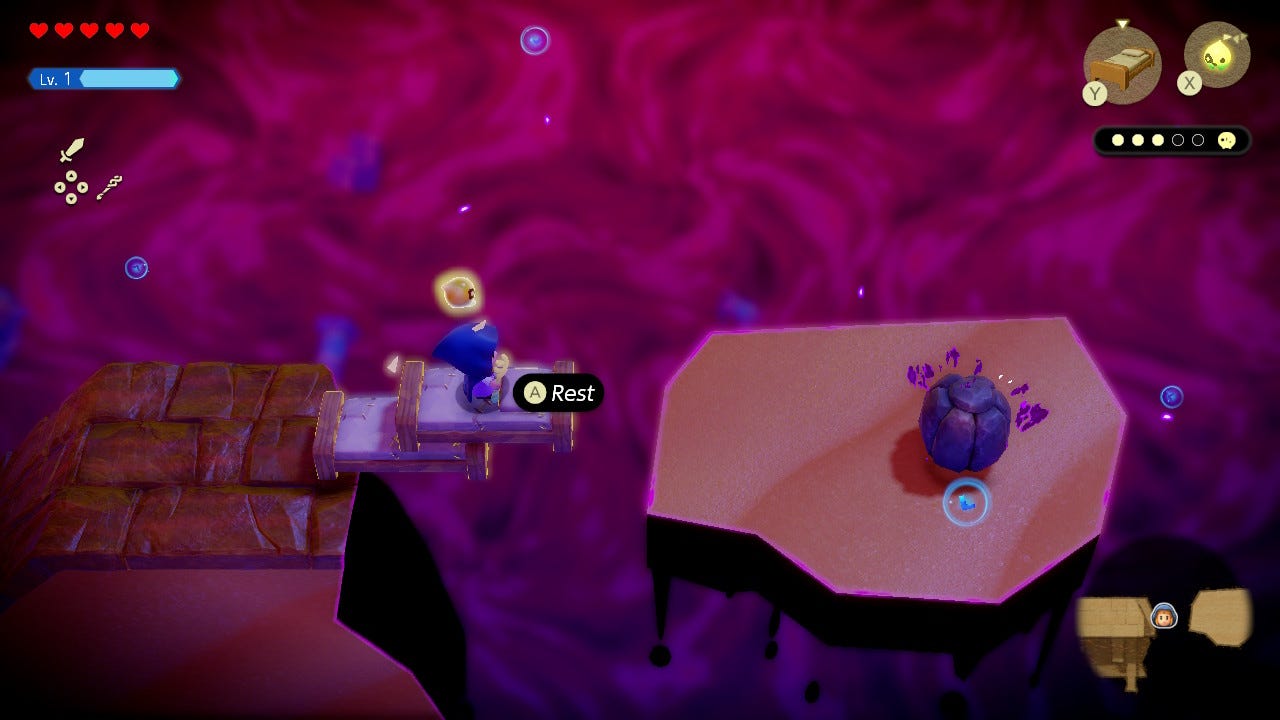
Echoes is a very charming game, and I enjoyed my time with it – more than Tears, I dare say – but it too suffered from my brain falling into a comfortable dominant strategy groove. Flying tiles, beds, ball and chain knights, and octoroks will get you very far in this game.
So, that’s one for three, for me at least. Not a great hitting record. However, even with this in mind, I’m willing to give the Zelda teams grace and patience.
This is a brand new design frontier for Nintendo. These kinds of games are hard to fine tune. For every Deus Ex, there’s a Human Revolution that spoon-feeds the player what they need and overly rewards specific strategies over others.
The lead designers on Nintendo’s Zelda teams are still throwing things at the wall and seeing what sticks, and I respect that.
It’s been pointed out that these new games hew closer to Shigeru Miyamoto’s vision of the Zelda games as a Japanese miniature garden, something that each player can enter and partake in the creation of a unique experience. And while I do love a lot of the 3D Zelda games that came before, like Majora’s Mask or Twilight Princess, I think that the new direction that the games have taken lends itself better to that vision.
And that vision can be wondrous, at times. I loved every moment where I sifted through my echo inventory in Echoes of Wisdom, found an enemy I had copied ten hours ago, and had the light bulb switch on in my head that I needed to progress past a predicament.
I hope these games continue to play around in this new style. It doesn’t guarantee success, but I always get excited now when they announce whatever new mechanic a new game introduces.
Just… please set the next big 3D game in a new world map. Please. For me.
We were just about to have a wishlist recommendation. (Great!)
The holiday season is fully upon us this week, with Christmas and Hanukkah both beginning this Wednesday, so I’m going to keep this week’s wishlist recommendation pretty cozy and light.
Aurascope is a collect-a-thon platformer set in 2D that is taking obvious cues from Super Mario Sunshine. It has some stellar platforming mechanics and level design, alongside a very charming art and narrative style reminiscent of those Saturday morning cartoons that I enjoyed as a kid. It looks to be a very sweet, family-friendly good time that you can easily share with a little one if you have one.
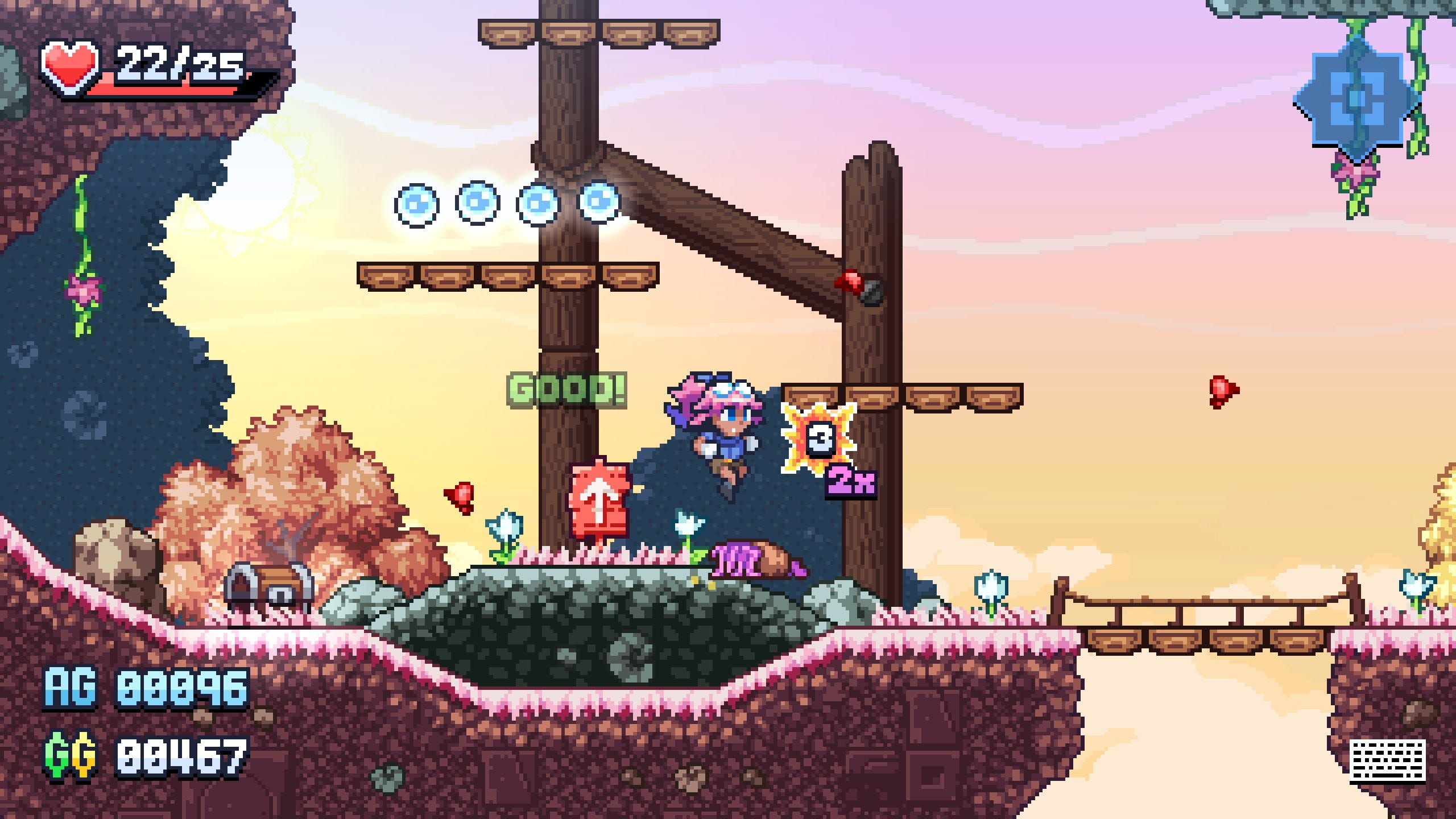
Aurascope is available to wishlist on Windows PC via Steam, and a demo is available through Steam and itch.io.
Thanks for reading The SuperDQP Weekly! Subscribe for free to receive new posts and support my work.