
The SuperDQP Weekly - January 13, 2024
Not the reunion I would have liked to be at

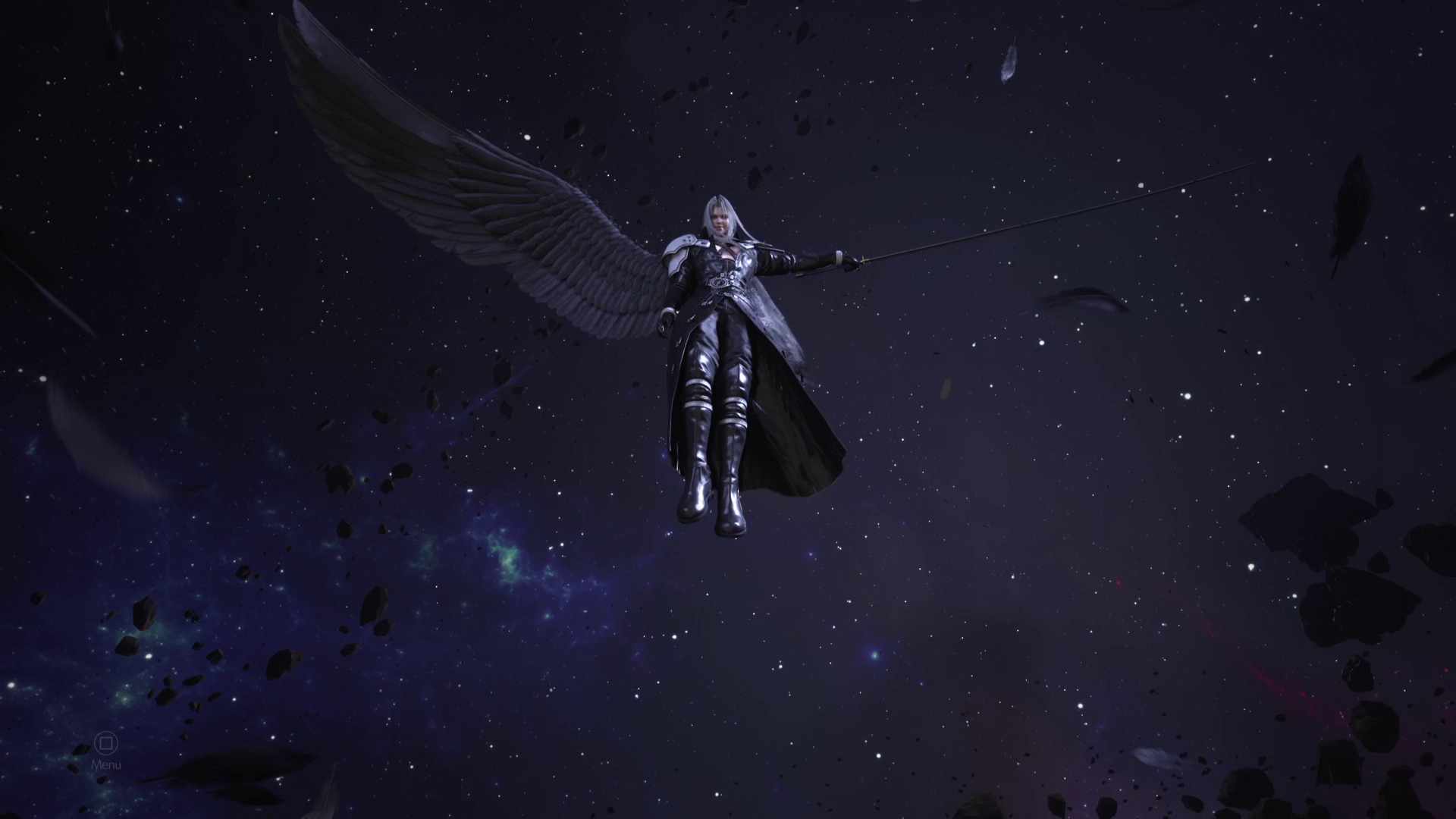
I’ve been sitting on these feelings surrounding Final Fantasy VII Rebirth for eight months, and now that publications are making best-of-2024 lists and talking about Rebirth again, I cannot let these feelings go unwhinged.
Thanks for reading The SuperDQP Weekly! Subscribe for free to receive new posts and support my work.
A completely unrelated game rec (I guess Cloud and Tron were both in Kingdom Hearts at one point?)
I had a bit of a Tron phase in high school around the time the reboot Tron: Legacy was coming out. I admired a lot of the philosophical ideas present in the original film, alongside the fantasy of Jeff Bridges’ character chilling in a bachelor’s pad resting above an active arcade.
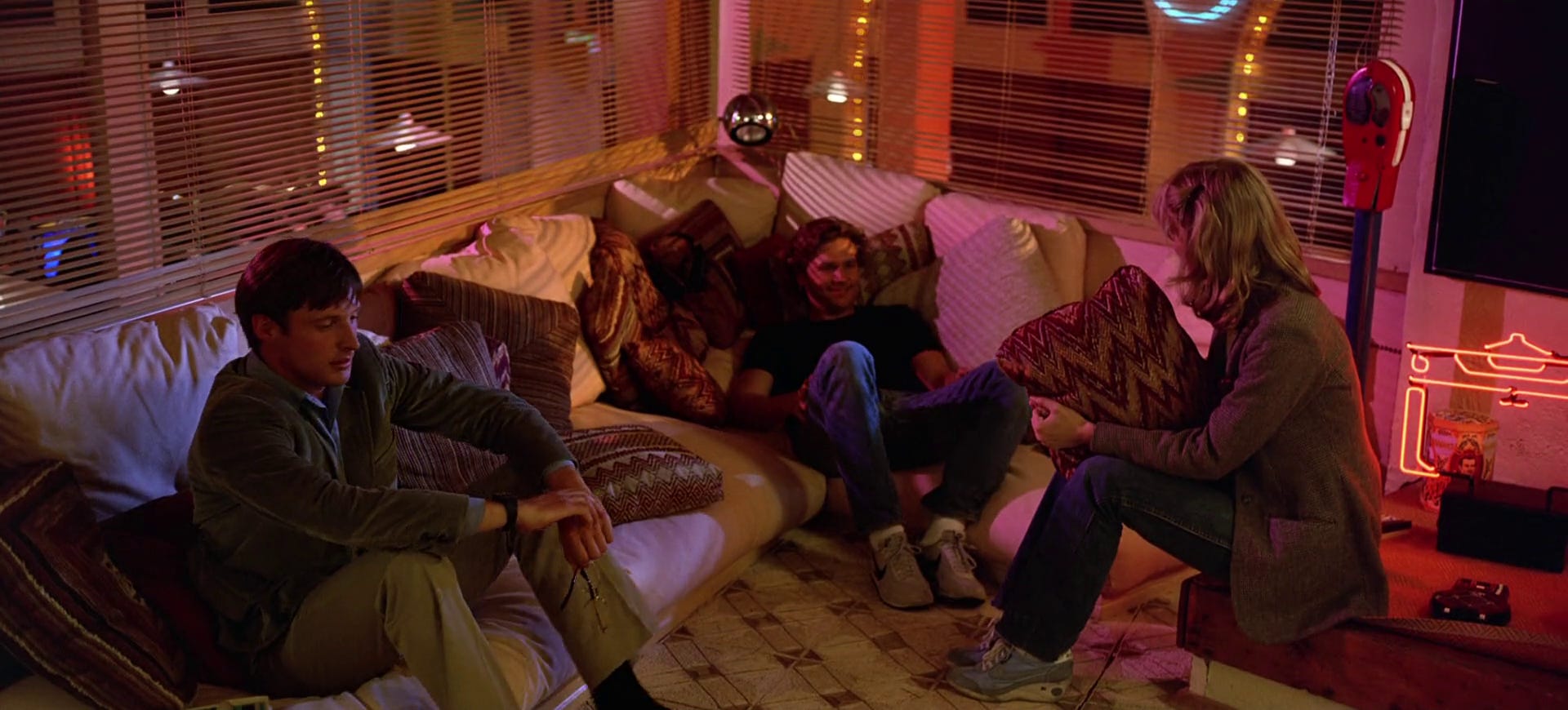
(It didn’t hurt that Daft Punk knew how to write a killer soundtrack for Legacy that I still break out and listen to by itself today from time to time.)
Not much has been seen of Tron since outside of the occasional children’s show or theme park ride, which is a shame, because I think there’s a lot of potential for worldbuilding and political intrigue.
Clearly I’m not alone in thinking that, because Mike Bithell (Thomas Was Alone, Subsurface Circular) was given the green light to lead the detective visual novel Tron: Identity.
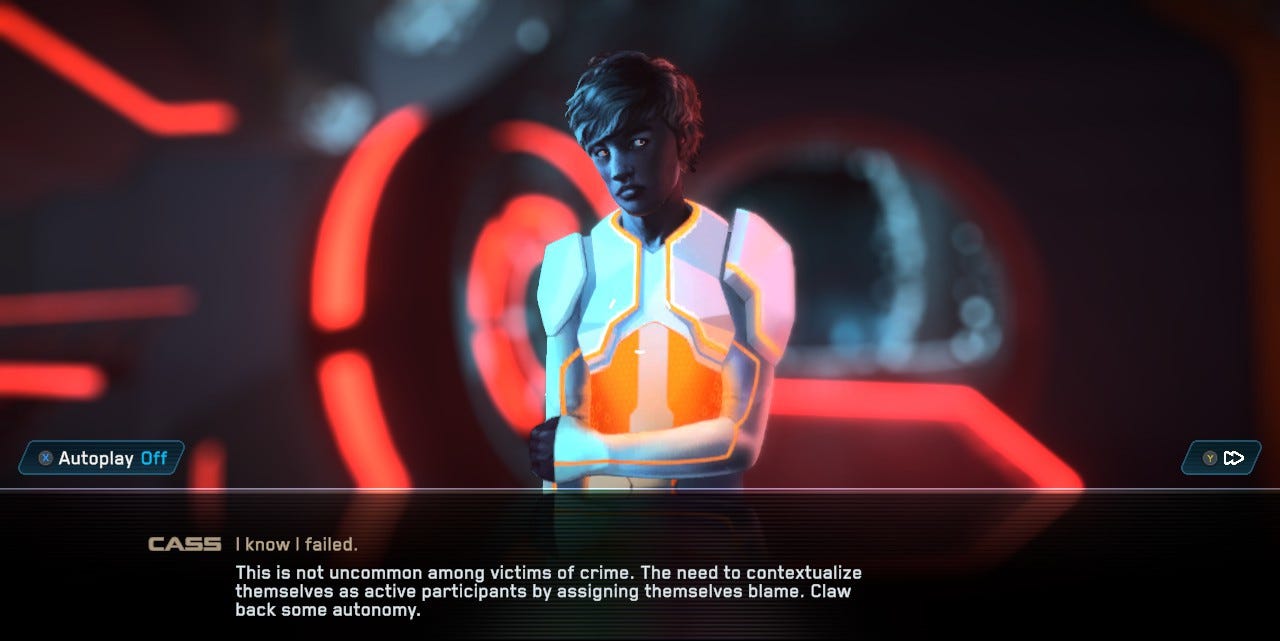
It’s pretty fluffy as far as gritty sci-fi detective fiction goes – Disney has a frustrating reputation for sanding off “sensitive material” – but it still spins an interesting yarn and shows off a lot of the cooler narrative and philosophical potential of the series.
Will the upcoming re-reboot featuring Jared Leto squander that potential? Probably. But Disney apparently liked Identity enough to let Bithell work on another Tron game, and in the video game space at least, I think Tron is in good hands.
(Identity also features a prominent non-binary character, pictured above, which I sadly don’t trust Disney to approve in future media, but hey, Mike, I see and appreciate that.)
Tron: Identity is available on Switch, macOS, and Windows PC via Steam. It played well on my Steam Deck.
Alright, everyone, let’s mosey. (But, like, dejectedly.)
One game that you’ve almost certainly read about in gaming publications’ end-of-2024 recaps is Final Fantasy VII Rebirth, the second installment in Square Enix’s planned trilogy of revisionist adaptations of the original Final Fantasy VII.
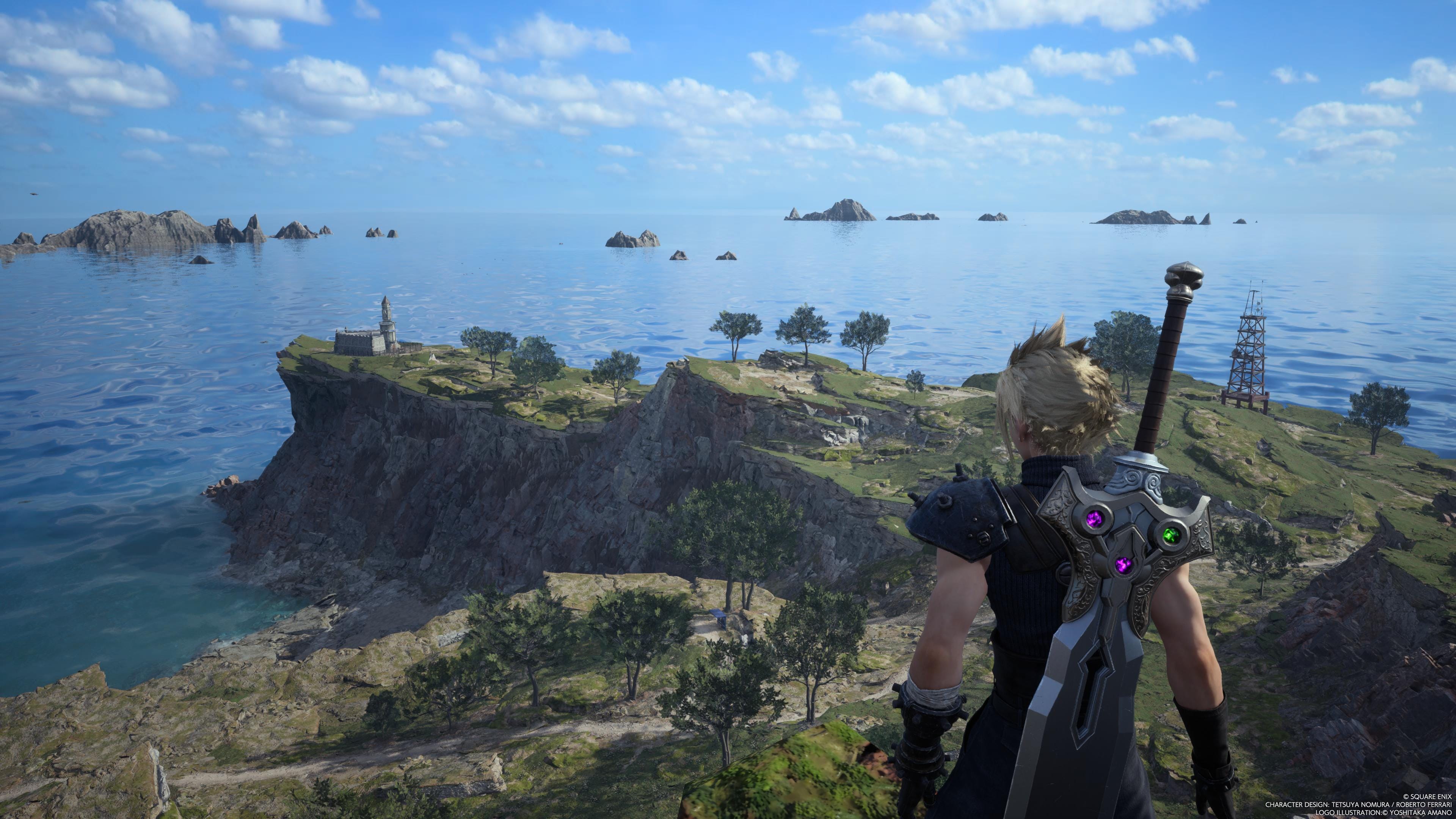
Rebirth is gigantic. I spent nearly 90 hours exploring its world, clearing side quests, bonding with my lovable party members, and playing copious amounts of the piano minigame and Queen’s Blood. And yet, as the credits rolled, I felt hollow, especially compared to the excitement that the previous entry, Remake, evoked. It’s this hollowness that I want to write about this week.
(It goes without saying that this newsletter will spoil the endings of Remake and Rebirth, so if you want to dodge all of that, I’d advise skipping ahead to the wishlist recommendation part of the newsletter at the next header. You’ve been warned.)
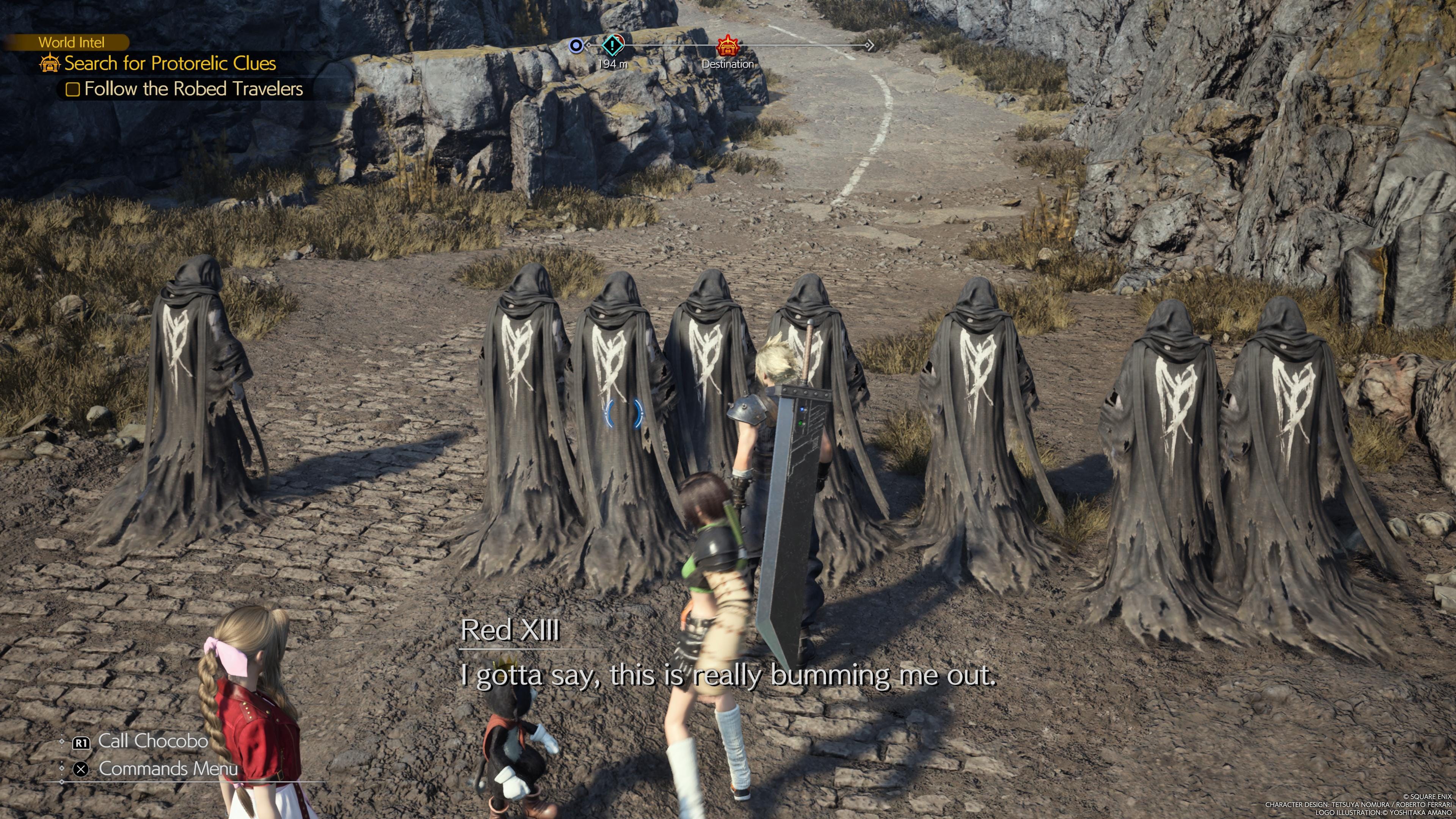
Remake was a tight, linear, 40-hour romp through the original game’s opening section, and it left me feeling exhilarated and excited for the future of the project. Its ending promised a new, mysterious story, where the players’ previous knowledge of the original game couldn’t be relied upon to assure characters’ fates.
Rebirth is a bloated open world packed with as many mediocre minigames and activities as there are hits (if not more) with an ending that does everything in its power to course correct, with timeline and multiversal shenanigans leveraged otherwise seemingly only for fanservice.
I say that as if Rebirth is a bad game. It’s not a bad game! It’s often an incredible game, doing justice to many of the original’s characters and moments. The game’s party continues to have wonderful chemistry; I had a goofy smile on my face any time they played off of each other. These two games get these characters.
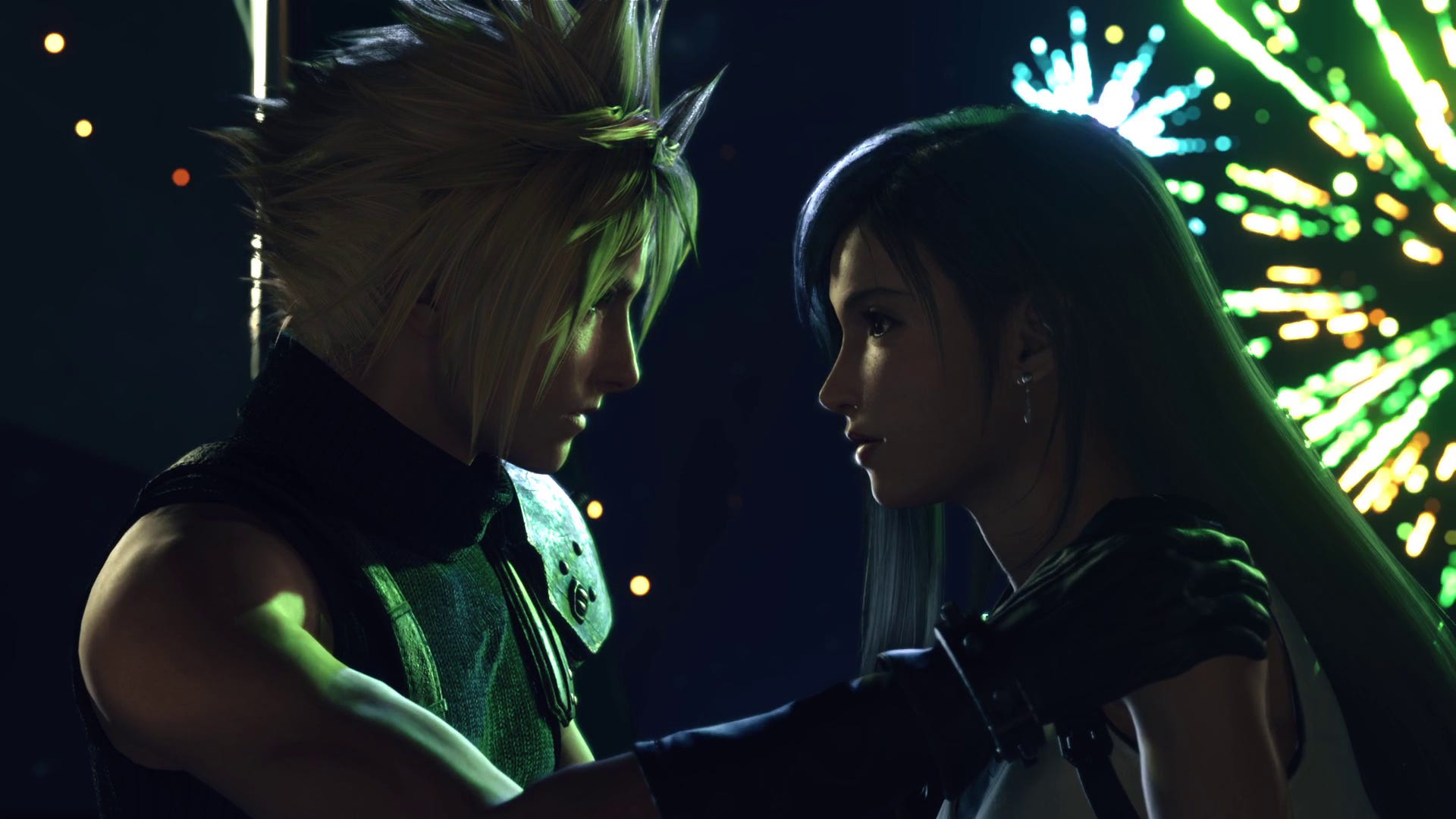
But that incredible chemistry couldn’t mitigate the sinking feeling growing in my gut as I got further and further into the game, that it was following the original Final Fantasy VII pretty closely. For a while.
This feeling combined with another sinking feeling – a positive sinking feeling, I guess? – that any dangerous moment could spell permanent doom for any of the characters. A diversion could, potentially, happen at any moment, and that introduces a palpable tension to the experience that I found delicious.
Unfortunately, that tension builds but doesn’t go anywhere, and the party wraps up the entire experience at more or less the same spot that they were at this point in the original. The story is back on the rails that the Whispers in Remake metaphorically stood for, with the possibility of alternate-universe Zacks and/or Aeriths showing up to lend a hand in the climax.
As the party flew off to parts unknown, I felt myself deflate like a tightly aired whoopie cushion. I spent nearly 90 hours in suspense, suffering through Gears and Gambits and the Gold Saucer wrestling minigame, only to find out that Square Enix had deployed writing trick after trick to get the story back on script.
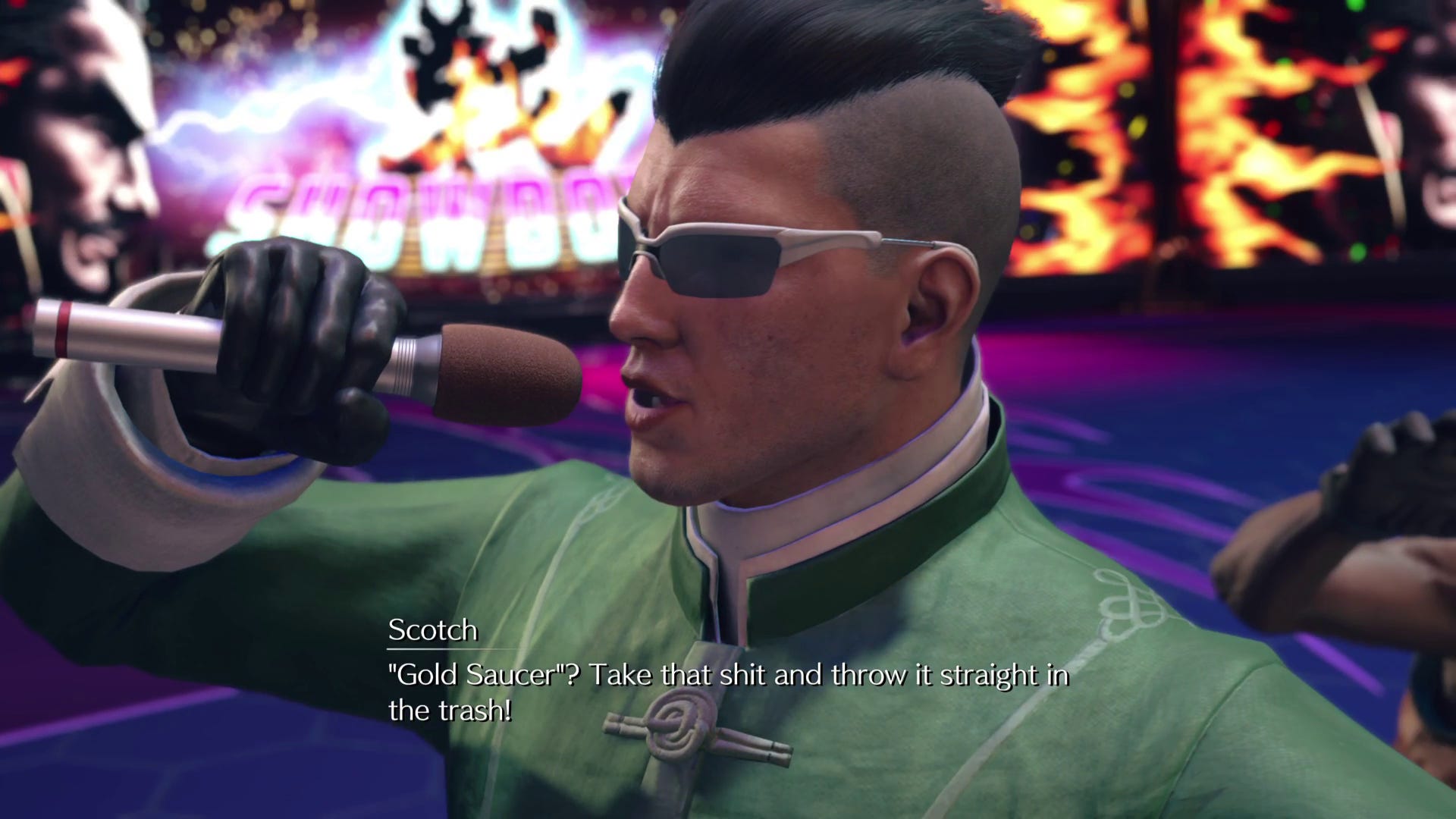
Oh god, I thought. The next game is probably going to open with the snowboarding minigame, isn’t it.
This doesn’t mean that the third FF7 game is going to be bad, by any means. If the developers recreate the moments in the back half of FF7 as faithfully as they have so far, it’s going to be an exciting spectacle of a game. I’ll probably buy it and enjoy it.
But that’s not the lingering feeling that Rebirth left me with. Rebirth reminded me why I tend to dislike most open-world games, and that Square Enix is capable of some pretty cowardly narrative decisions, even directly following the bold choices they’ve made in the past.
Those bold choices have made something of an impact outside of Final Fantasy. Many announcements of video game (and often TV or film) remakes now come with the speculation of if they’ll be given the Final Fantasy VII Remake treatment, going in new buckwild directions that the originals couldn’t have dared.
And that happens, sometimes. The recent Netflix animated series Scott Pilgrim Takes Off starts out as a straightforward adaptation of the original story, complete with actors from the 2010 film reprising their roles, before veering off course after the first episode and culminating in a finale that deconstructs Scott’s character and emphasizes the themes of the original.
(It really worked. I highly enjoyed Scott Pilgrim Takes Off as a compliment to the original comics and movie.)
And of course, Final Fantasy VII is far from the first property to receive this treatment. The Rebuild of Evangelion quadrilogy famously deviated from the original Neon Genesis Evangelion anime a whole twelve years before Final Fantasy VII Remake attempted to do something similar. I also think of works like Maleficent and Wicked, which reinterpreted their respective classic stories years before Remake.
But Remake stirred the conversation about revisionist adaptations back to life. People talked about how Remake was more of an adaptation than a replacement for the original, and using those adaptational differences to explore broader themes more deeply than the original could. It was as much a statement as it was a celebration, and I think that’s why it succeeded for many people, myself included.
And all of that makes Rebirth’s ending even more of a disappointment. It was a fun, spectacular game that left me feeling like I had just wasted nearly 90 hours of my life that I will never get back.
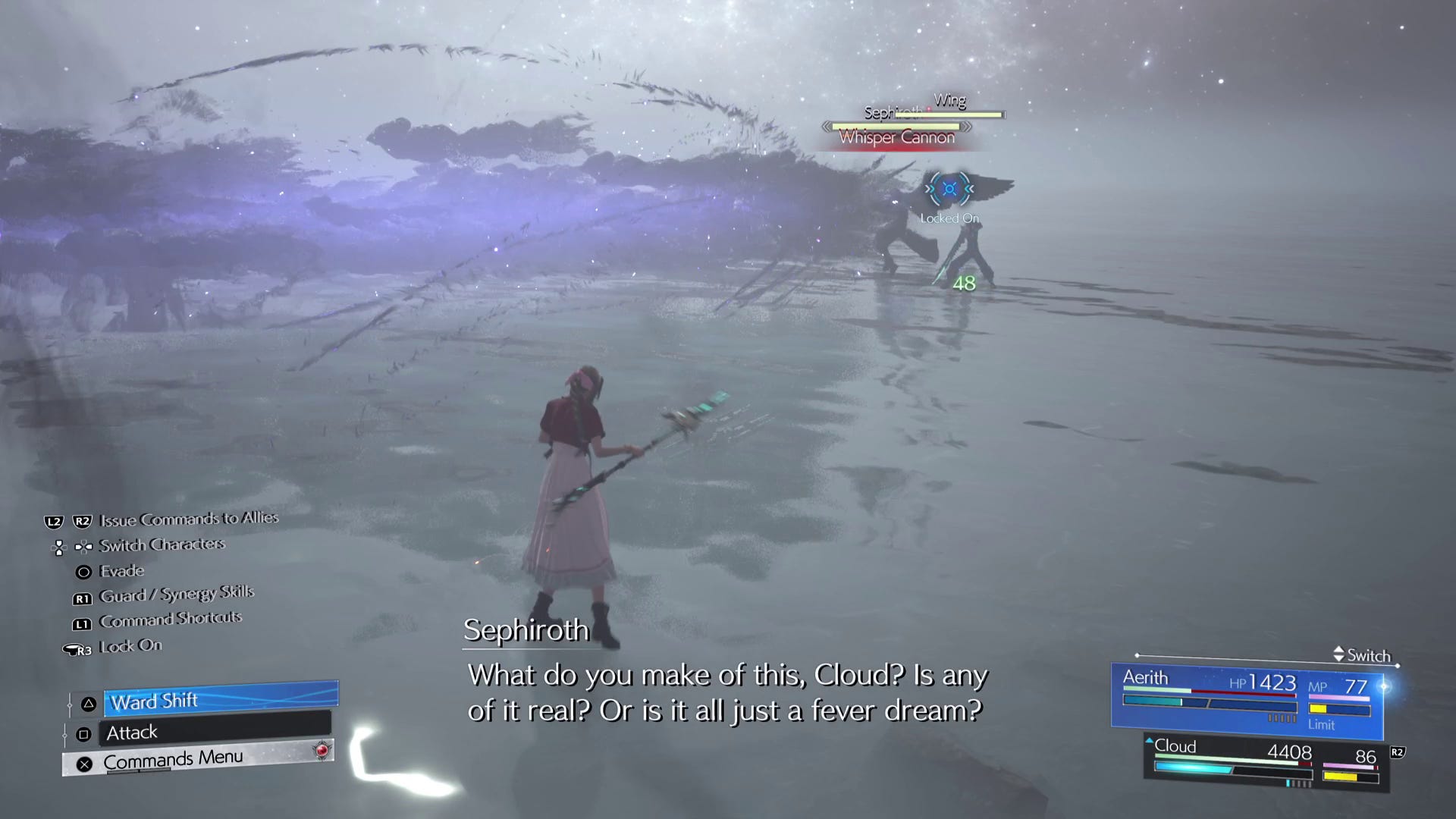
Clearly others don’t agree; otherwise it wouldn’t be making the rounds in other publications’ end of year lists. And it is an accomplishment of a video game. Any game that makes as many moves in as many different directions as Rebirth does, while still remaining not just playable, but fun and joyful, is a miracle.
I just wish that, for as many directions as Rebirth went, it ended up somewhere new, as Remake had promised.
Let’s go on a wishlist rec
Well, speaking of RPGs with road trip vibes, this week’s wishlist recommendation is Keep Driving.
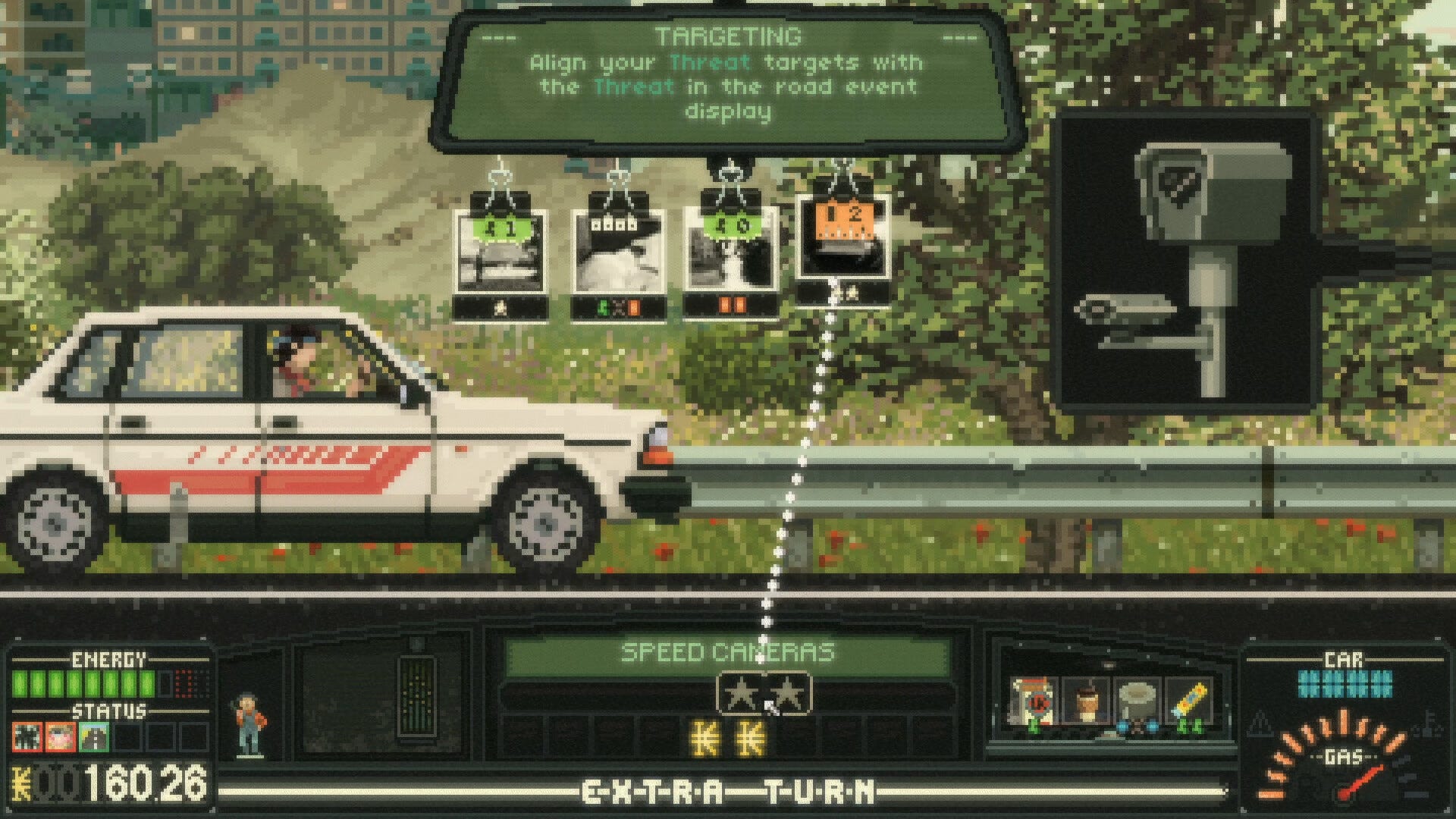
No, that’s not a command to continue driving a car (though if you’re reading this while driving a car, please put the phone down and keep driving). Keep Driving maps the various aspects of long road trips — snacks, boredom, hitchhikers, cops, et cetera — to traditional turn-based RPG mechanics.
It’s a surprisingly accurate encapsulation of the road trip experience, and it captures the atmosphere, excitement, ennui, and wonder down to a tee. This will be a perfect game to load onto a portable device and vibe to.
That’s not to say that it’s “cozy,” per se, but it’s a great demonstration of how traditional game mechanics can align with lower-stakes settings and stories. I remember longing when playing Disco Elysium for the first time for games to use their role-playing mechanics to emulate more mundane, down-to-earth experiences, and Keep Driving is a marvelous example of that.
Keep Driving is currently slated for release on Windows PC via Steam. Release date is TBA.
Thanks for reading The SuperDQP Weekly! Subscribe for free to receive new posts and support my work.