
The SuperDQP Weekly - June 2, 2025

The Great Backlog Offensive returns with a look at a future that could never be.
(Also apologies for the unannounced week break)
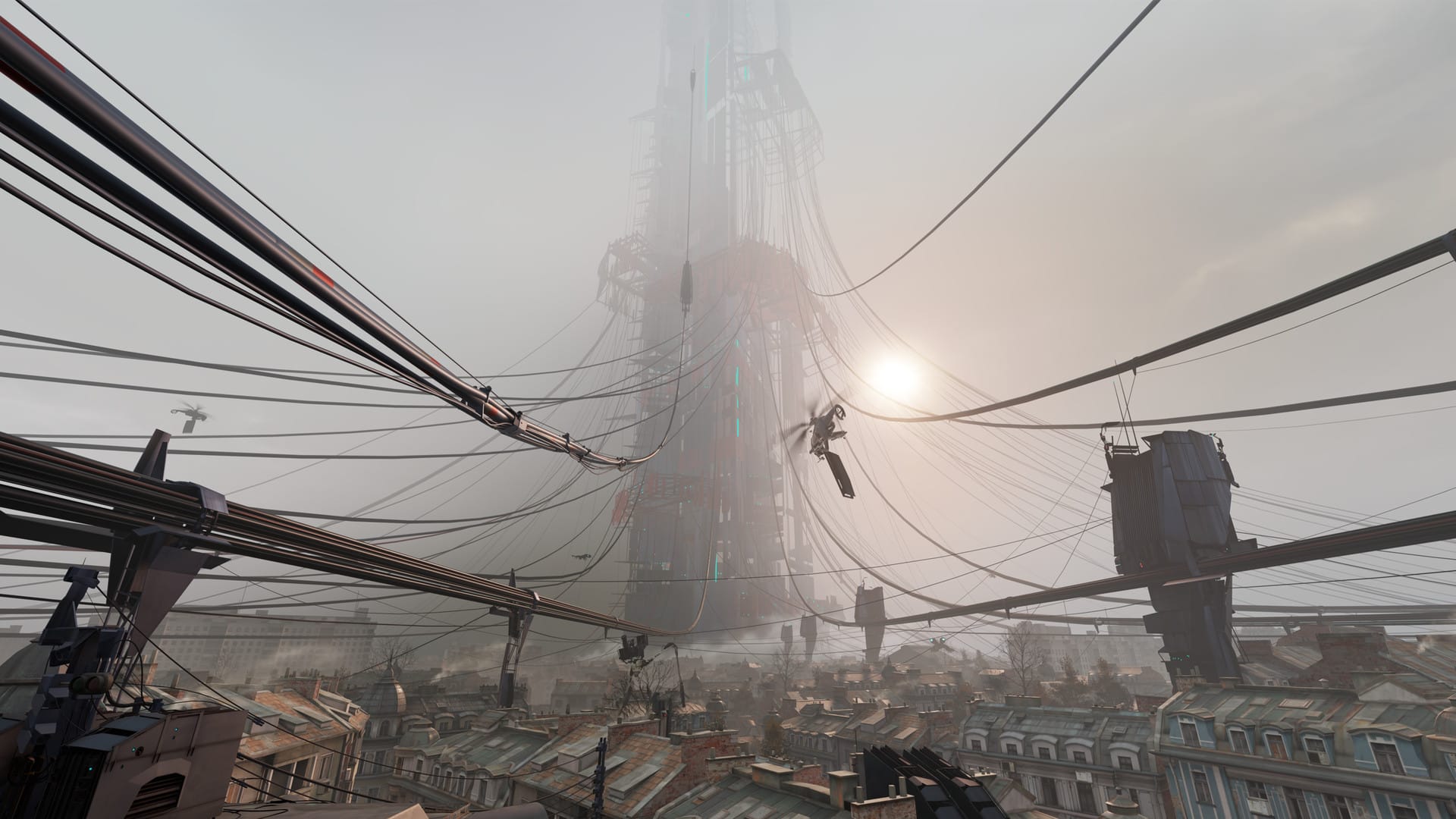
Speaking of Eastern European settings...
Racing games are in a sort of rut, with Codemasters being hit with recent layoffs and, Mario Kart aside, AAA-budget racers being relegated to realism-focused “simulators,” much to the chagrin of genre fans. And that’s a shame! I haven’t been able to latch onto recent high-profile racers like Gran Turismo or Forza Motorsport, but I do have a soft nostalgic spot in my heart for more chaotic car games like Burnout or Crazy Taxi, or even just games with a heavy driving focus like The Simpsons: Hit & Run (at least, putting the heavy presence of Apu in it aside, but I’ve talked about that in the past).
However, as ever, interesting things have been developing in the indie scene, with games like Art of Rally or Parking Garage Rally Circuit boiling the genre down to its essence and proving that there is some pure joy in driving fast, blocky cars around.
Which brings us to this week’s wishlist recommendation, the “Put it in H!” simulator Szrot.
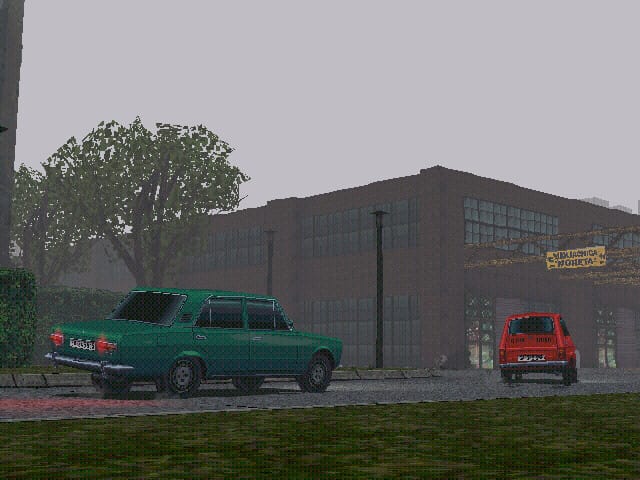
Simpsons references aside, Szrot looks very promising, pitching itself as a “CaRPG” with a small open world between races. On top of being a fun racer, it’s my hope that Szrot also turns out to be a faithful love letter to the city of Belgrade, Yugoslavia that it takes place in. This game has the opportunity to showcase the city’s culture and history in fun and interesting ways.
Szrot is currently slated for release on Windows PC via Steam. Release date is TBD.
Into the City 17-iverse
This newsletter is a part of my Great Backlog Offensive miniseries. In 2015 and 2020, these were videos for my now-defunct YouTube channel meant to look at classic games from a modern lens. I am reviving it this year with five more old-to-old-ish games. The first entry, on the indie FPS DUSK, can be found here.
Three years and change ago, I completely overhauled my entertainment setup. I bought a new phone and a new computer – pre-built, since cryptocurrency was experiencing a bubble at the time and standalone graphics cards were prohibitively expensive (and frankly still are). But I also picked up something new and foreign: a Windows Mixed Reality headset, for one primary reason.
A new Half-Life game had been released a year prior, over twelve years since the last one ended on a massive cliffhanger, and it required a VR headset to play.
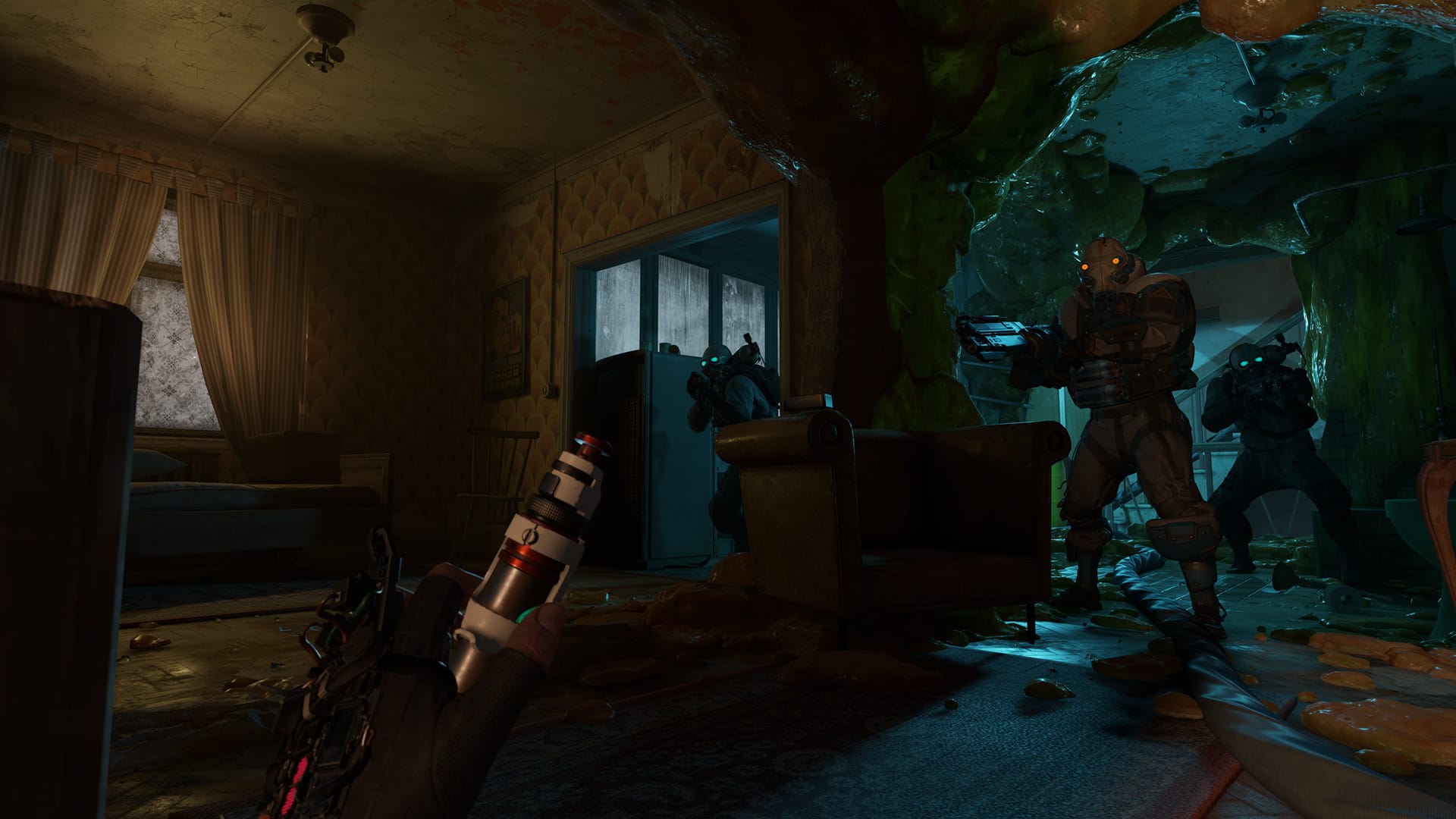
Now, Half-Life: Alyx was just one reason that I picked up a VR headset. While market hype surrounding “the metaverse” was greatly exaggerated, and that much was apparent at the time, I did still figure that a rising tide would raise all ships and that Alyx would be just one of many interesting and fun VR experiences to come. And that was true, but only in part: the only other VR game that I’ve invested meaningful time into is Beat Saber, mostly due to its vast modding scene.
Most other VR games, I found out the hard way, leave me with copious headaches and sweat, and I can only play them in short 15-20 minute bursts. And this made the prospect of playing a full-sized 10-15 hour Half-Life game difficult. And we’ll get to the accessibility issues later.
Also, one of the wires on my Windows Mixed Reality headset failed on me less than a month after buying the thing, and rather than get it repaired or replaced, or suffering HP’s abysmal customer support any more than I needed to, I swallowed my pride, cursed Mark Zuckerburg’s name, and got a Quest 2, which has worked well since.
All of this is to say that VR gaming was far from being an exciting new frontier for entertainment. It still is and will likely remain that way for the foreseeable future. It’s a pain in the tuchus and there have only been two games that have made my expensive investment in not one, but two headsets worth it.
Beat Saber, thanks to outstanding community support, is one. And Half-Life: Alyx, the subject of our newsletter today, is the other.
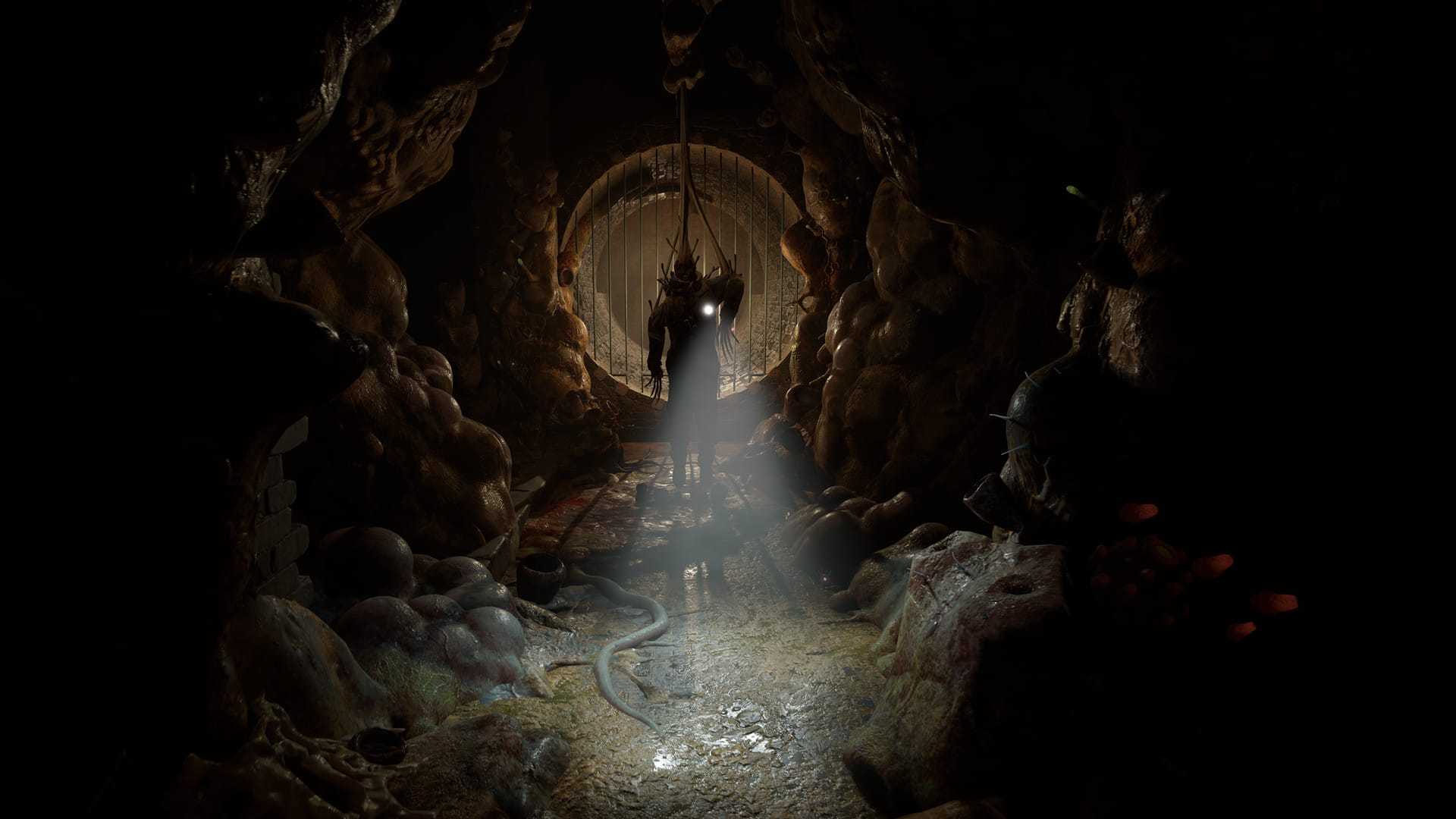
Like many, I count Half-Life 2 among my favorite games. While it holds up today, I also think it and its predecessor are fascinating relics in the history of FPS design. They were both very influential, but they sit awkwardly between two very distinct eras: before Half-Life, shooters still largely orbited id’s work on Doom and Quake, and after Half-Life 2, shooters were more content to follow more militaristic, console-friendly games like Halo or Call of Duty.
Half-Life, as a series, doesn’t really fit neatly into either of these eras, and that makes it more interesting to compare to other shooters both of old and new. Valve designs their games in carefully-playtested and invisible-handy ways, in such a way that you can easily tell a Valve game from others, similarly to how you can tell an Aaron Copeland or John Williams composition from other composers’ work. Even with games as diverse as Portal 2, Team Fortress 2, and Half-Life, they still all leave a similar design footprint.
(Seriously, this video on TF2’s Dustbowl map really opened my eyes to how deep this rabbit hole goes. Valve applies their knowledge to everything they work on.)
And so, it applies to Half-Life: Alyx, a game that, on the surface, seems like it can’t function like its predecessors. Like, how can it? VR presents the kinds of game design challenges that haven’t been seen since the Wii’s heyday, and making a complete Half-Life campaign using only motion controls and room-scale VR seems, on its face, like an impossibility.
But the team made it work. They really made it work.
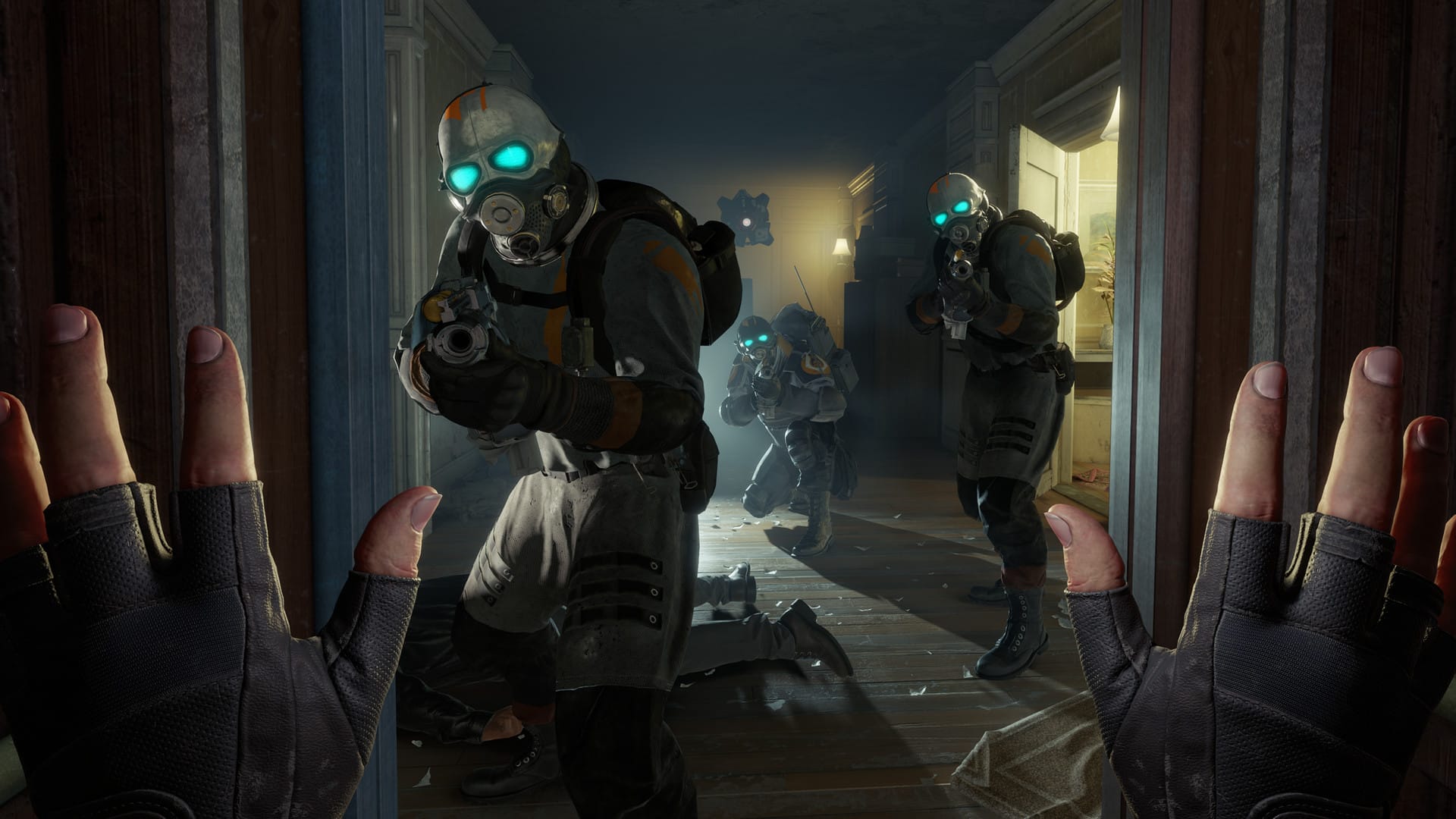
One aspect that didn’t really surprise me but also convinced me more than anything that this would work in VR was character interactions. This is something that the Half-Life series has consistently pioneered; the first game is often remembered for character interactions that revolutionized how first-person games told stories, and Half-Life 2 built on that with facial animations and expressions that honestly still hold up. But Alyx exposed how limited those could still feel with silent protagonists and player interaction.
Alyx, by virtue of being in VR, made me feel more like a participant. Unlike previous silent protagonist Gordon Freeman, Alyx Vance is a total chatterbox, which compelled me to act along to her lines and play along with the story. It’s the closest Valve has come to actually integrating players into their worlds and their writing, and I was surprised at how absorbed I was.
Valve also retained their excellent sense of pacing. Like Half-Life 2 and Portal 2, Alyx makes a habit of introducing cool ideas and gradually expanding on them as sequences go on. There’s one chapter, “Jeff,” where the eponymous creature was constantly shambling towards me, and while he wasn’t much of a threat early on, the chapter kept throwing increasingly tense and complex challenges at me until it came to a thrilling climactic head that I don’t want to spoil for those who haven’t played the game yet.
And of course, it wouldn’t be much of a Half-Life game if it weren’t fun to shoot bad guys, and it is. But VR, by necessity, completely changes how it plays out. I often found myself physically ducking behind cover and bumbling around in ways that a more conventional FPS protagonist, unbound by the limits of the human meatsack, would not.
VR firefights are a workout, and Alyx regularly encourages novel physical interactions with objects and weapons. Tapping R to reload won’t cut it; you need to physically reach into your virtual backpack, pull out a clip, eject the current clip, insert the new one, and cock the gun before it’s ready to fire again. It’s a process I eventually got good and reasonably quick with after some practice, but it’s a process nonetheless.
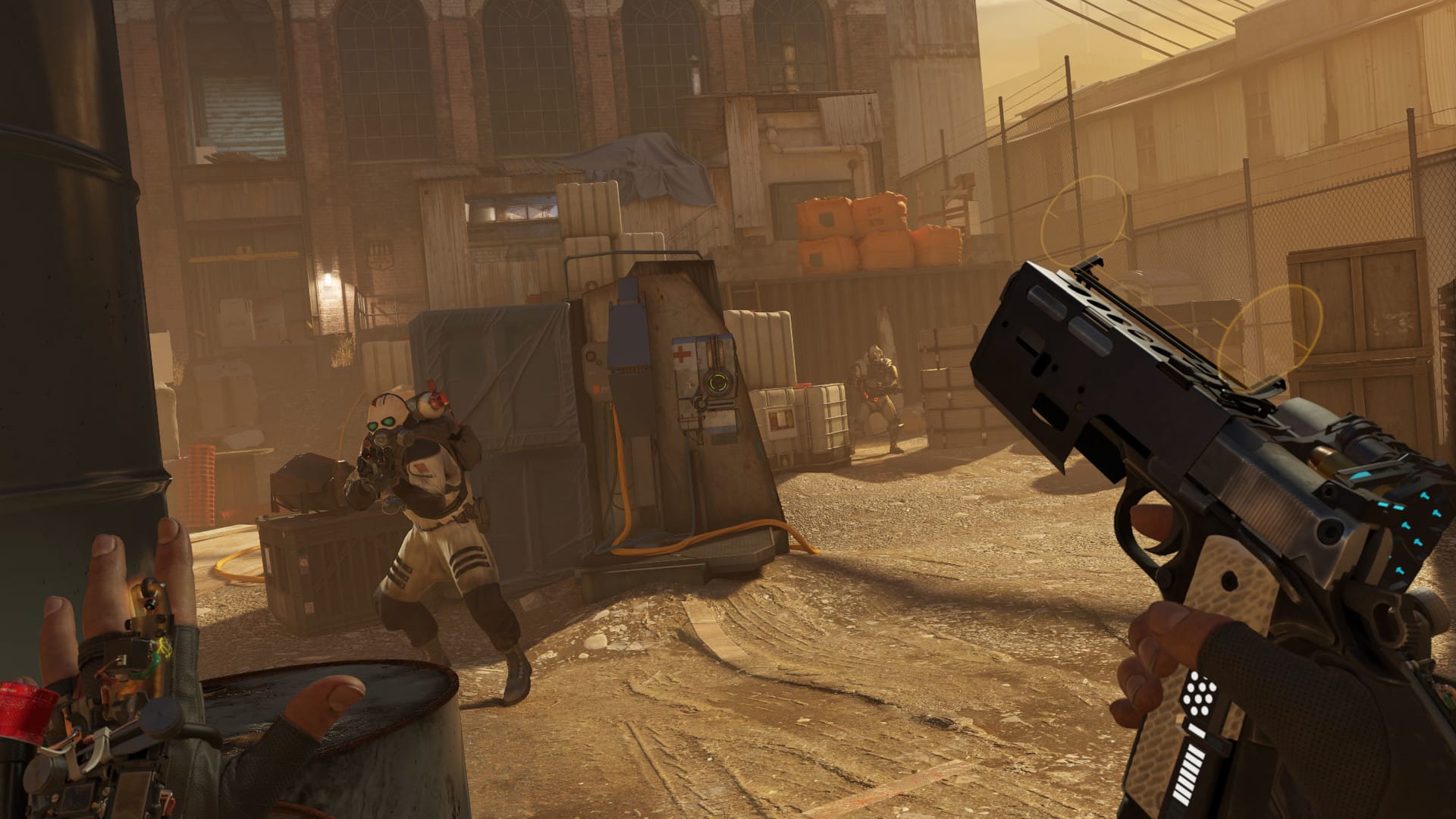
And honestly, that process makes the weird alien weapons and objects feel all the more special. There’s a tactile playfulness here that you typically only see in Nintendo’s work, or occasionally in games like Astro Bot.
The end result of all of these old and new design decisions coming together was a physically taxing, truly immersive (I use this word without hyperbole, as so many marketers and influencers fail to do), and exciting game that got me jazzed about what the future of VR would look like. I immediately wanted more games like it.
But they never really came.
Okay, there have been a few, but they’ve mostly been pioneered by Meta, so I’ve ignored them on principle. And even so, Meta’s been all too happy to close one of the studios that tried.
The first two Half-Life games only got to be revolutionary because they were accessible. You didn’t need to physically be able to duck or reach for things to play them. Half-Life 2 was computationally demanding when it released, but within a few years it was readily available and eminently playable on consoles and modest PCs of the era.
While VR headsets do sell well (thanks again to Meta seemingly making the only ones that actually work well, I say as I shake my fist) people either gravitate towards the same game over and over again – Beat Saber, in my case – or they take it off and forget to use it ever again once the novelty wears off.
VR is not the kind of revolutionary gaming hardware that is still a mainstay in senior homes, as the Wii is. VR takes effort to play. Not only do you need an overwhelming amount of equipment and software to play nice with each other, you also need room to actually use it, and unfortunately, Half-Life: Alyx came out at a time when not only was that equipment a massive luxury, but so was the space needed.
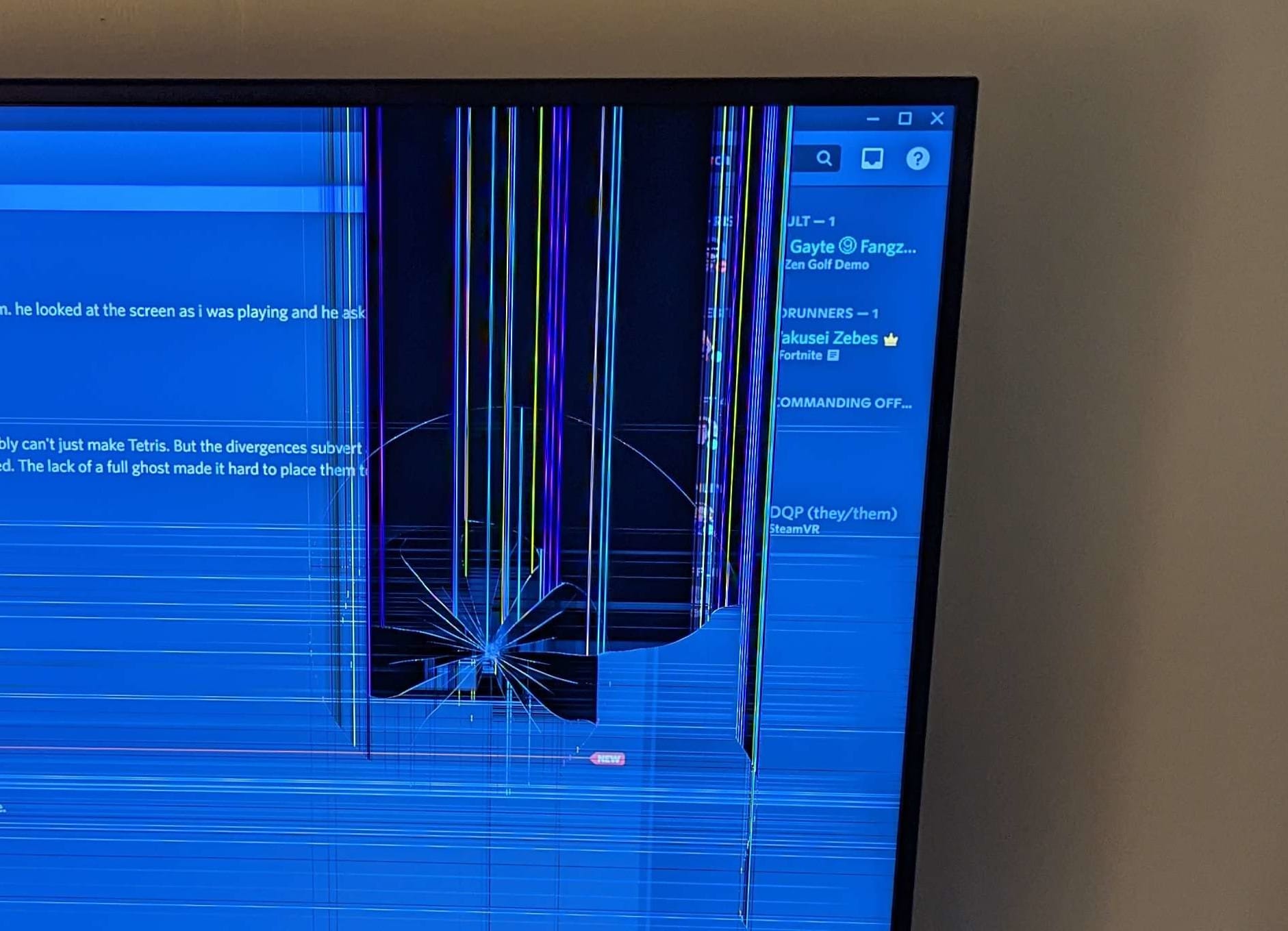
I played Alyx in a one-bedroom apartment that I can barely afford, and it’s a miracle that I have enough space to play Beat Saber without accidentally smashing my TV, which actually happened with Pistol Whip, another VR title that I picked up and summarily put back down.
Yes, I literally pistol-whipped my TV. I'll never make fun of Wii remote or Joy-con broken TV incidents ever again.
Alyx is a brilliant showcase of VR technology. But it is also limited by it. It’s a masterpiece that only those with immense privilege can play; the privilege to afford the hardware, the privilege to be physically fit enough to engage with it, and the privilege to live in adequate space to play VR in the first place.
It’s a ride I’ll never forget, but sadly, like the rest of VR gaming, it’s a crime against accessibility. And it really, really sucks that Valve chose to bake an integral chapter of their most storied series into it.