
The SuperDQP Weekly - June 23, 2025

Celebrating Pride Month by talking about... Christianity!? How did that happen?
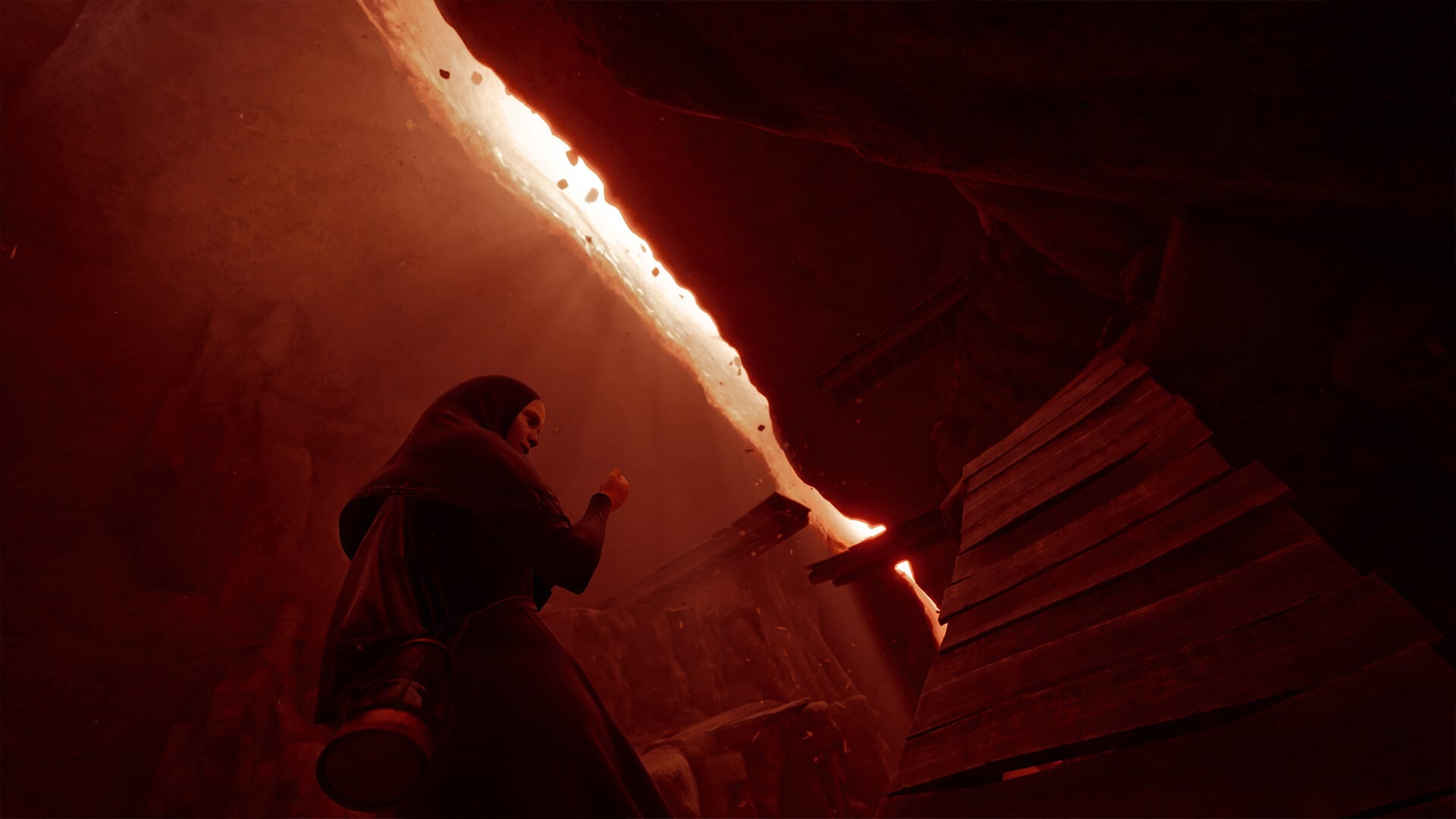
Well, I warned y’all that I was going to write about Indika someday. That day is now.
Have wishlist recommendation!
It will break some of my friends’ hearts to read this, but I must open this wishlist recommendation by confessing that I’m not that invested into Hololive.
New connection confirmed. 🐰#DeathStranding2 pic.twitter.com/AM0YNZEGGz
— KOJIMA PRODUCTIONS (Eng) (@KojiPro2015_EN) May 29, 2025
I’m sorry, I’m not! There are a few personalities that regularly show up in my YouTube algorithm – Fuwamoco and Bijou in particular – but it often feels like I’m the only one in some of my friend circles (or at least, one of the only ones) who doesn’t follow the Vtuber or Vsona phenomenon very closely, especially since the fandom shares a lot of toxic qualities with idol culture, along with some vicious Gamergate-esque bigotry for good measure.
(Okay, I’m sorry, it’s occurring to me that most of my readers probably don’t follow Vtubers very closely either. Bear with me. Think of them as if the Muppets were anime avatar streamers doing improv comedy for hours at a time. And also did music. And also became one of the more profitable business ventures on YouTube while I wasn’t looking.)
Hololive fans have been dropping some very impressive fan works, including Vampire Survivors clone HoloCure! and this week’s wishlist rec, Chrono Gear: Warden of Time.

Developed by Freedom Planet developers GalaxyTrail and starring Vtuber Ouro Kronii, Chrono Gear looks like an incredible platformer at a glance with a surprising dramatic edge to it. The platforming looks tight and the action is evocative of Mega Man Zero.
Even if you’re not that into Hololive (like me, I swear!), Chrono Gear looks like it’ll have a lot of sauce.
(And while you’re here, play Freedom Planet and its sequel too! They’re great Sonic the Hedgehog homages by queer creators with just the right amount of lovable Saturday morning cartoon schlock.)
Chrono Gear: Warden of Time is slated for release on Windows PC via Steam. A demo is available. Release date is TBD.
The rules are made up and the points don’t matter
This newsletter contains spoilers for Indika. It also discusses subject matter relating to religious trauma, homophobia (including homophobic slurs), and sexual assault.
Loading screens in Indika will often tell you that the points are functionally useless. And mechanically, they are.
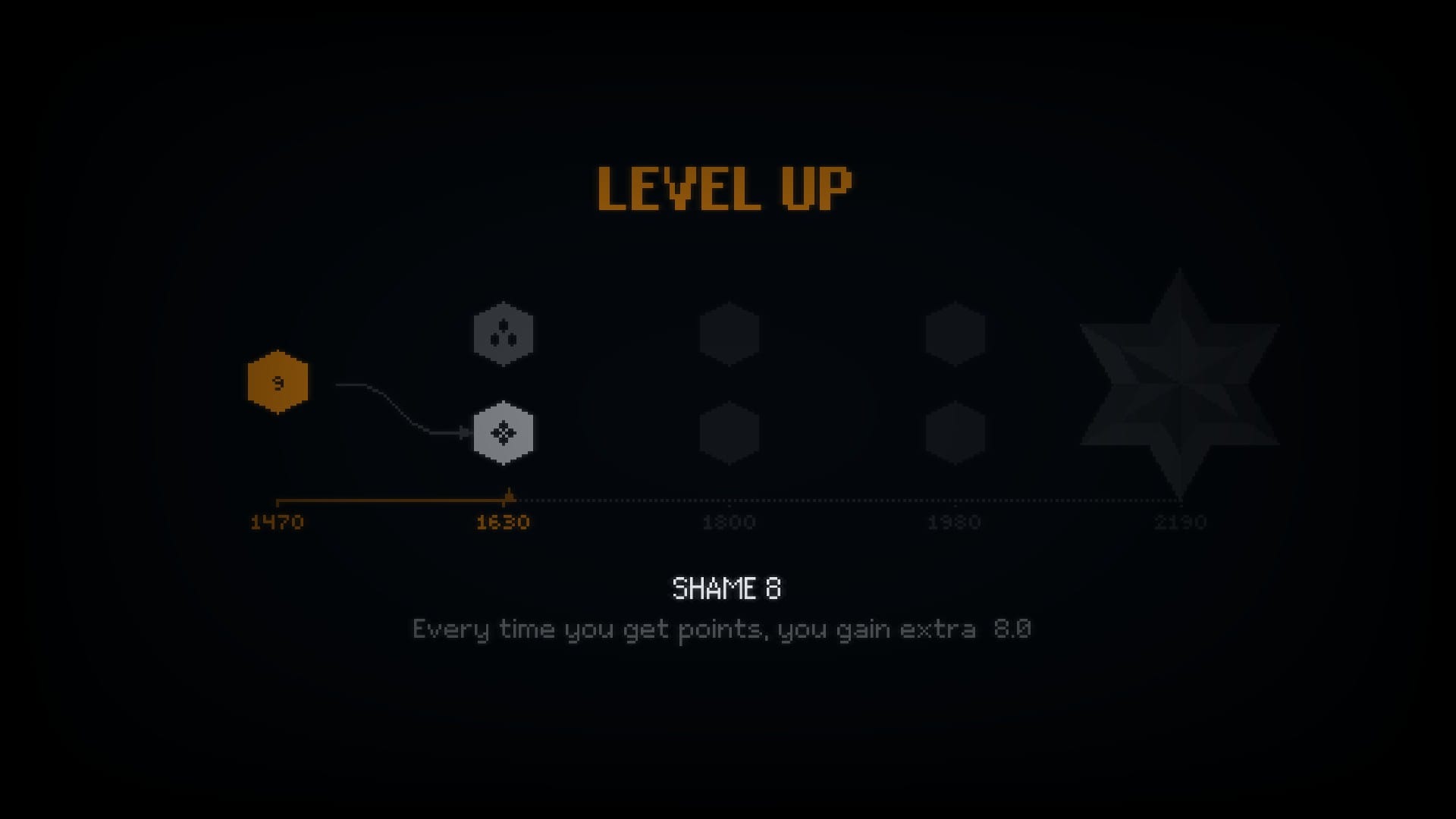
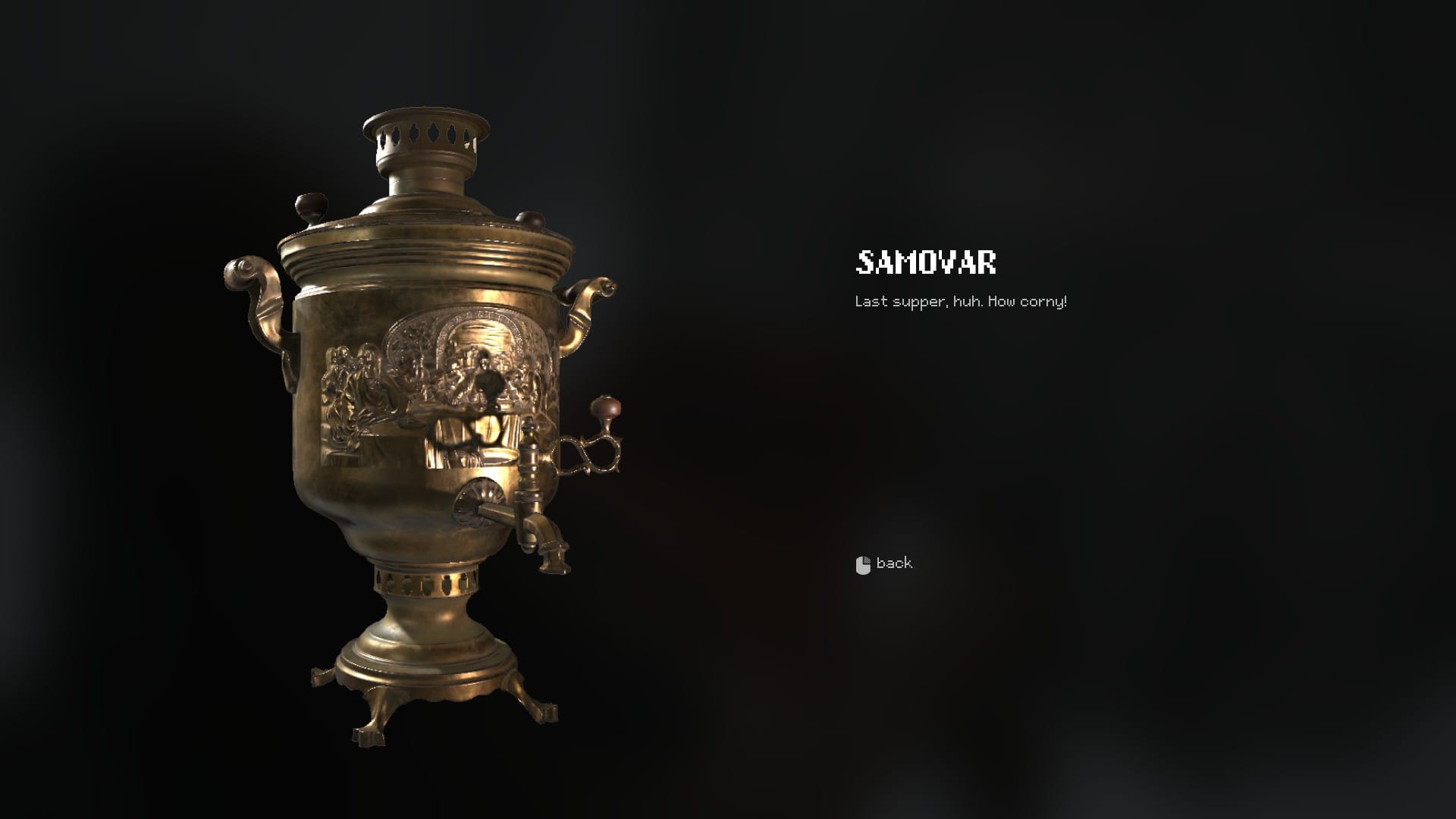
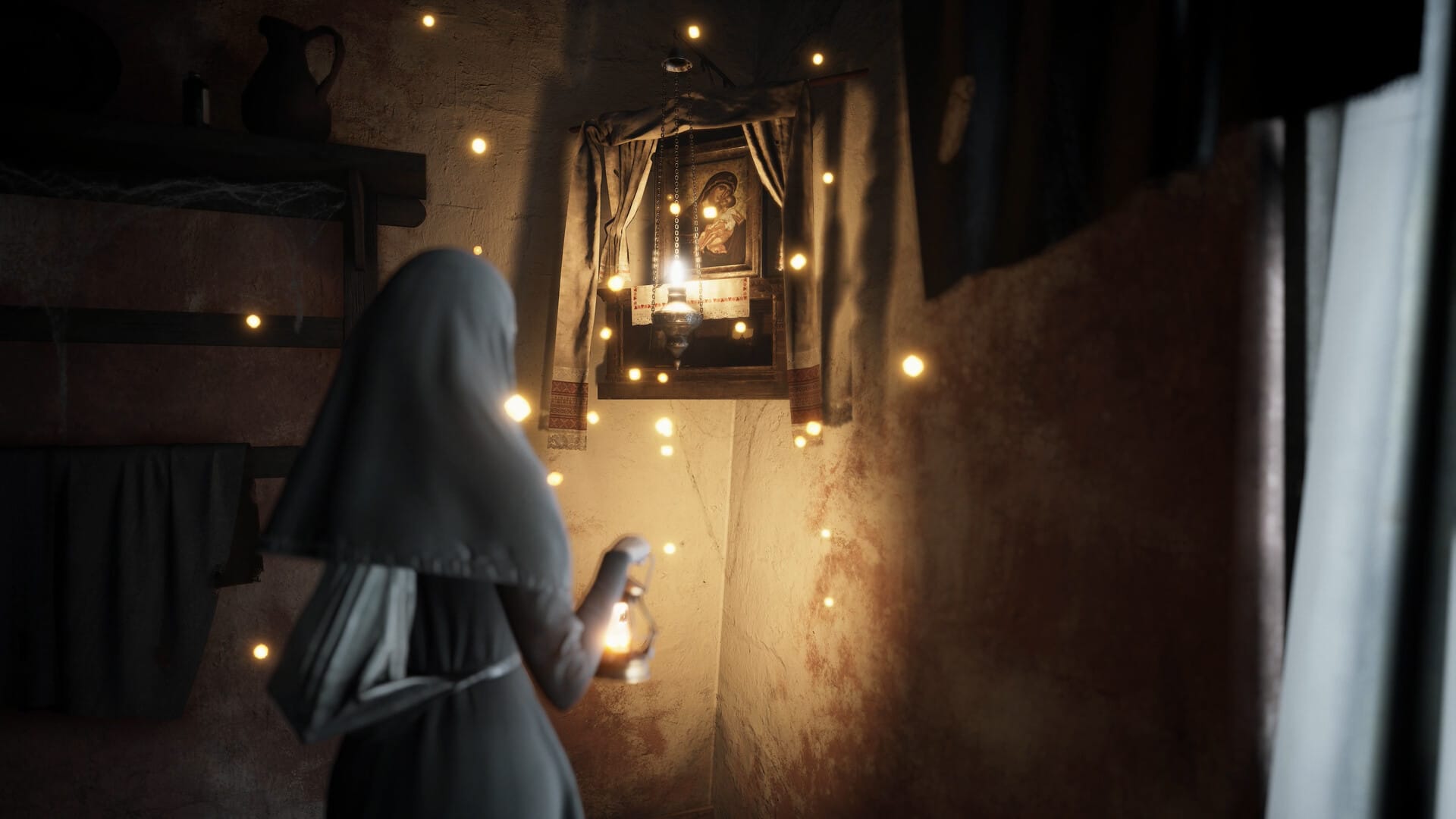
Indika is a short, straightforward Journeylike (an alternative name for “walking simulator” that I came up with years ago that I still often use) with some light puzzles and interactivity, but the game gives you points for finding optional collectibles; things like prayer beads, icons, and unlit candles that you can light and quickly pray to.
These objects of religious significance flashily add to your point counter in a very tongue-in-cheek Suda51 kind of way, using video game-y sound effects and pixel art to essentially gamify the main character’s religious activities.
I should back up a little further.
Indika, the eponymous main character of the game, is a nun. Actually, she’s a recently defrocked nun, something she learns by opening a letter intended for someone else. Nobody at Indika’s convent likes her; she hears and has visions of the Devil, and her quest to deliver that letter is essentially a snipe hunt given by the convent after accidentally assaulting a priest.
Indika’s journey is surreal and traumatic; she’s taken at gunpoint by a prison escapee for whom she eventually has to amputate an infected arm, after which her journey takes a turn to seek, at the prisoner’s request, a holy relic that will cure him.
We’re also shown occasional flashbacks of Indika’s pre-nun life, as she engaged in a star-crossed relationship that ended tragically with her father murdering her would-be lover.
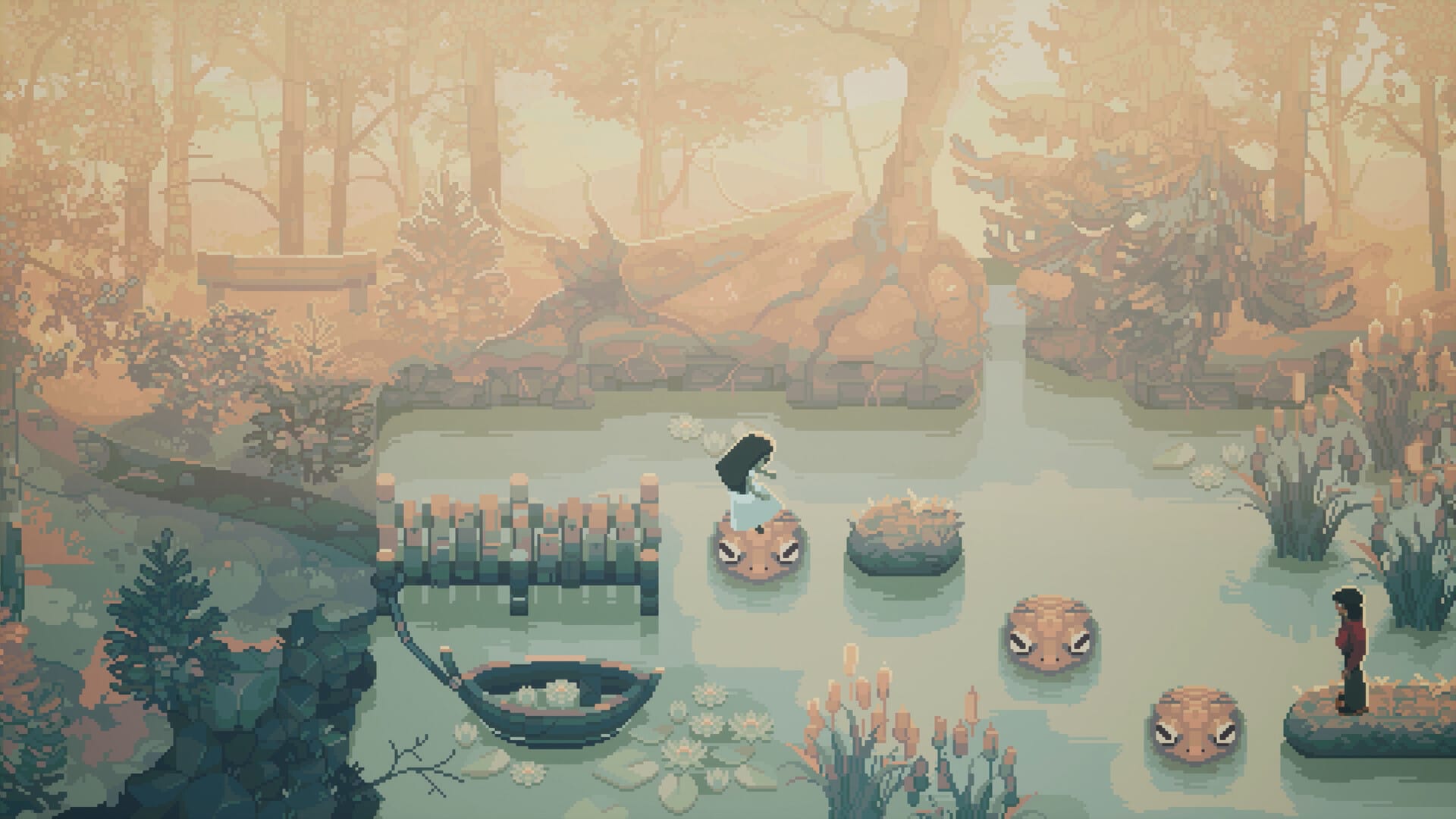
Indika has every reason to abandon her faith. Her fellow nuns and priests see her as a nuisance, she is haunted at every turn by literal actual lord Satan, and she spends the game meandering from hardship to hardship, eventually ending up in a prison cell near the end, sentenced to death.
It’s here, being sexually assaulted by a prison guard, that she has one last conversation with the Devil. As he argues every reason for her to give up hope, all of the points that the player has accumulated throughout the game slowly trickle away, and if it wasn’t clear already what the points mean, it should be now:
The points represent Indika’s faith in God. Right?
But they’re also useless. They don’t serve any mechanical purpose. The loading screens say as much. Does that mean her faith is ultimately meaningless and always has been?
This game design quirk of a weird indie game requires a full-scale dive into theology that I am very much not prepared for. But I think I can make an attempt.
Up until pretty recently, I would not have considered myself very religious. My mother was, and my father wasn’t, so they compromised, and they didn’t really take me to church after I was baptized as an infant.
My perception of Christianity was shaped by the actions of fundamentalists and Baptists in the 2000s as they decried an overblown “War on Christmas,” preached on womens’ place in the home, and waved signs at funerals declaring that “God Hates Fags.”
I was a member of Scouts growing up, but not long before I would achieve the highest rank, I was told to my face that I would never achieve it if I didn’t believe in God. So, in part because I could not see myself taking a journey of faith or towards faith, and in part because I feared that journey would lead me to the groups mentioned in the paragraph above this one, I opted to just drop out of my troop.
(And given future debacles with the Scouts of America, I think I dodged a bullet.)
I stayed that way for about seven years. Zero points, if you will.
Eventually, though, after getting fired from an honestly pretty terrible job, I found an opportunity at an Episcopal Church to do social media and eventually A/V and streaming work during the pandemic. The job posting very clearly stated that marginalized and queer people were welcome at this community.
At this point, I wasn’t out as queer, even to myself. I had distantly considered that I was asexual, but did not realize I was nonbinary until I saw my masked face in the mirror in the opening stages of the pandemic.
But, as I continued to work for this church, I found myself feeling safe enough to come out. In fact, this faith community was one of the first I came out to.
For the first time I could remember, my point counter ticked up.
After I landed a job outside of the church – almost five years after seeing that odd job posting – I still kept attending as a parishioner. It’s such a simple thing; shaking hands with friends and strangers, receiving blessings encouraging the fierce courage and tenderness within me, singing and meditating and meeting people after services over coffee and donuts, making and taking “helping hand bag” ziplocs full of dry socks and toothpaste and granola bars to hand out to homeless folks on my way home, it’s all just…
It’s good for the soul. There’s no other way to put it. It’s good for the soul in ways that I had severely needed.
It’s even provided me a space to meet and be in community with other queer folk where I live, and any organization that helps facilitate that is worth supporting, in my book.
(And I know at least a couple people from this faith community are reading this newsletter right now, so thank you.)
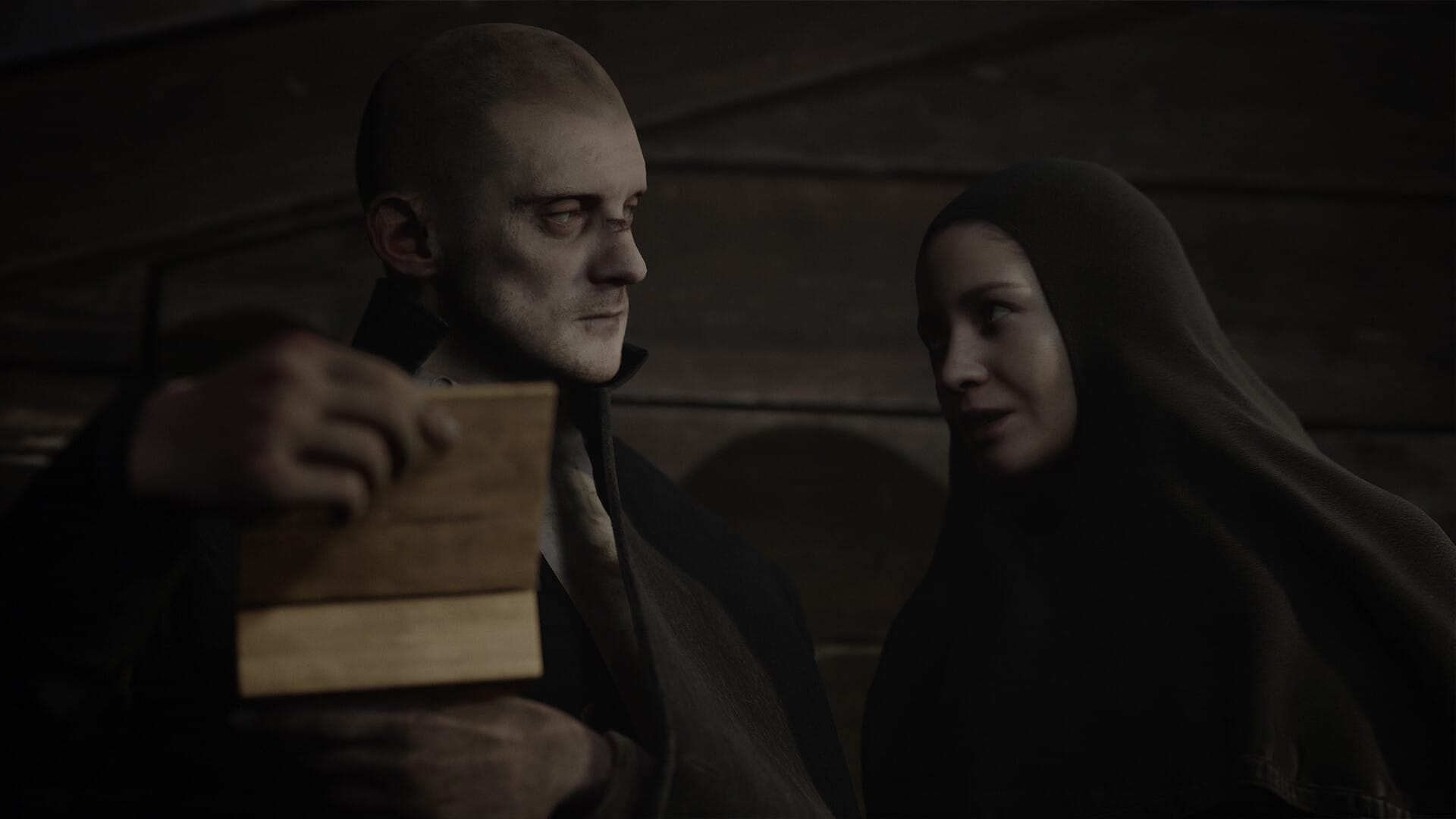
Which brings us back to poor Indika. Points depleted, soul crushed, stumbling out of her cell and onto the city streets, unsure of what her next steps even are.
Eventually she finds the holy relic that her entire exhausting journey had pivoted to: pawned off by her prisoner companion for a pittance to a small shop. With nowhere to go but up, she finds an opportunity to take hold of the relic, attempt to pray to it, and when nothing happens, she desperately shakes it.
Points, thousands and thousands of useless points, come flying out of it.
She throws it down, her rosary broken from the effort, and looks into a mirror. Where Lord Satan used to smile back, only she remains. She stands up. The game ends.
I’ve seen this ending be interpreted as a final shattering of Indika’s faith; the rosary beads rolling limply across the shop floor as the owner and her drunk companion bicker outside about what the latter has done to the former’s wares in his stupor.
This relic was said throughout the game to be able to make miracles happen, but when push came to shove, it couldn’t make the prisoner’s arm come back.
But by the game’s end, it does make miracles happen, at least, the way I interpret it. It makes the Devil go away, and it showers Indika with all those wonderful, worthless points.
Indika is left with nothing at the end of the game. Her convent has rejected her. She is fleeing an abusive prison. The prisoner she was saddled with is drunkenly predisposed. Even Satan himself has left her.
Like an episode of Whose Line is it Anyway, she is left with the sense that the rules are made up and the points don’t matter.
But, speaking for myself, that doesn’t mean I don’t feel better for having them.
Perhaps that’s what faith ultimately is. The crushing feeling that nothing matters, combined with the belief that maybe something can.
As a queer nonbinary person, it’s certainly been easy to give into that nihilistic feeling. Given recent events, I’d have every reason to and then some. And yet, here I am – hineni, if you like – attending church and finding reason after reason to hold on and believe that people are still ultimately good, in the final analysis.
There are moments where I feel like Indika, standing there in that shop, precious rosary beads rolling around on the floor, wondering what the hell happens next.
But with all these useless points, I somehow feel like I’ll be alright.