
The SuperDQP Weekly - November 11, 2024
More Paper Mario! More Paper Mario!

I’ve had a long, hard week and nerding out about Paper Mario is helping me get through it. So here we are.
Clearly, if you look online, I’m far from the only person who’s ecstatic about Paper Mario: The Thousand-Year Door. So, before this year’s remake came out, where did all that energy go? I want to look at that this week.
Thanks for reading The SuperDQP Weekly! Subscribe for free to receive new posts and support my work.
A Life Recommendation
Before I get to it, in lieu of the normal game recommendation, I’d feel irresponsible if I didn’t address the elephant in the room.
As a queer person, I’m going through an emotional rollercoaster. I’m afraid. I’m sad. I’m discouraged. But I resolved to do one thing above all else.
I’m going to live.
I will live authentically and vibrantly as myself, until the point it becomes physically impossible to do so.
Discovering myself — my gender identity and sexuality — over the past few years has brought me too much joy and too much community for me to stop. So I won’t.
It’s going to sound corny, but something that’s come to my mind a lot recently has been the ending to the first Metal Gear Solid.
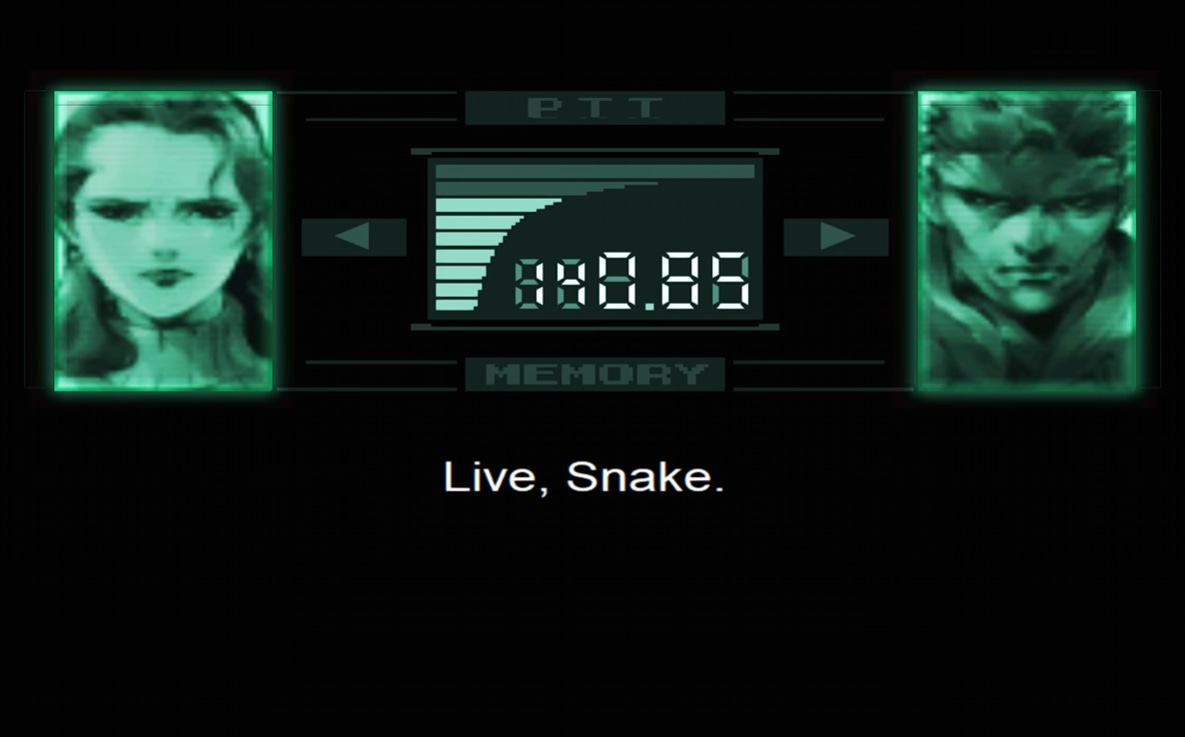
After defeating his brother, Snake talks with Naomi about the FOXDIE virus, and how much time he has left to live. Naomi doesn’t know. Could be days, weeks.
(Spoilers, this Snake is in two more games after this, so it’s at least years, but that’s beside my point, so let’s ignore it.)
So, Naomi tells Snake to live the rest of his life, to the best of his ability.
The future is a total mystery. But as of yet, it is not physically impossible to live my life to the best of my ability. So I will live.
If you’re reading this, I hope you do too.
Do whatever you need to do to make that happen.
Alright. Deep breaths. Writing often brings me comfort, so let’s write about something much, much less important.
The Legacy of Thousand-Year Door
Last week, I gushed about Intelligent Systems’ recent remake of Paper Mario: The Thousand-Year Door. I adored this remake. But this week, I wanted to touch on the legacy that the original TTYD left behind, because I think it left a vacuum open that developers have filled in interesting ways.
I think a lot about how game developers, large and small, collectively continued the “metroidvania” genre in the years that Nintendo and Konami abandoned the formula in their Metroid and Castlevania games, respectively. Games like Cave Story and Shadow Complex demonstrated the appeal that these kinds of games had while their mother series were experimenting and, by and large, failing to find the success that these smaller releases found.
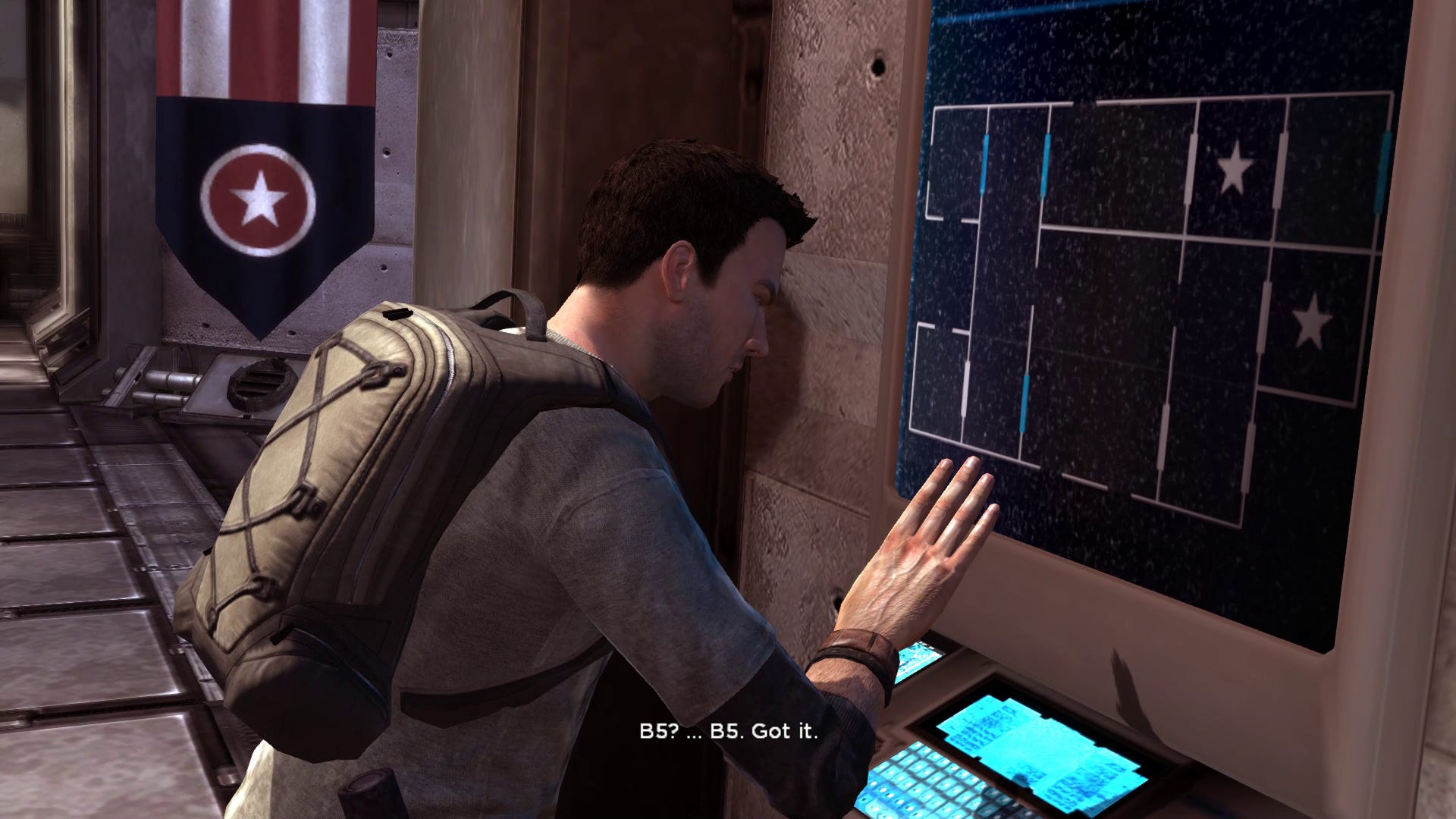
“Metroidvanias” grew and matured in the years since, with games like Hollow Knight and Animal Well rivaling the efforts of the Metroid and Castlevania franchises at their peaks. Today, it’s a flourishing genre, of which the newly returned Metroid series is now only just a part.
I find it a little curious that, despite the loud (and admittedly obnoxious) fan outcry for more Paper Mario games along the lines of TTYD, that never happened for TTYD to the same extent that it happened for metroidvanias. After all, Paper Mario’s fanbase can be just as vocal as Metroid’s, if not more so.
There are many reasons that metroidvanias are more common. They’re often built in 2D and are thus often relatively cheap to produce. They’re also a genre that appeals to a specific group of people who yearn for the days when Metroid and Castlevania revolutionized 2D action-adventure games. Metroid and Castlevania pioneered the genre – to the point that the genre’s very name is a portmanteau of those two franchises. That is a provably hungry niche.
TTYD is not a revolutionary, genre-defining game to the same extent; it’s a classically styled role-playing game along the lines of Dragon Quest or Final Fantasy; after all, the first Paper Mario was originally intended to be a sequel to Squaresoft’s Super Mario RPG. (Which, as it happens, also got an excellent remake on the Switch recently.)
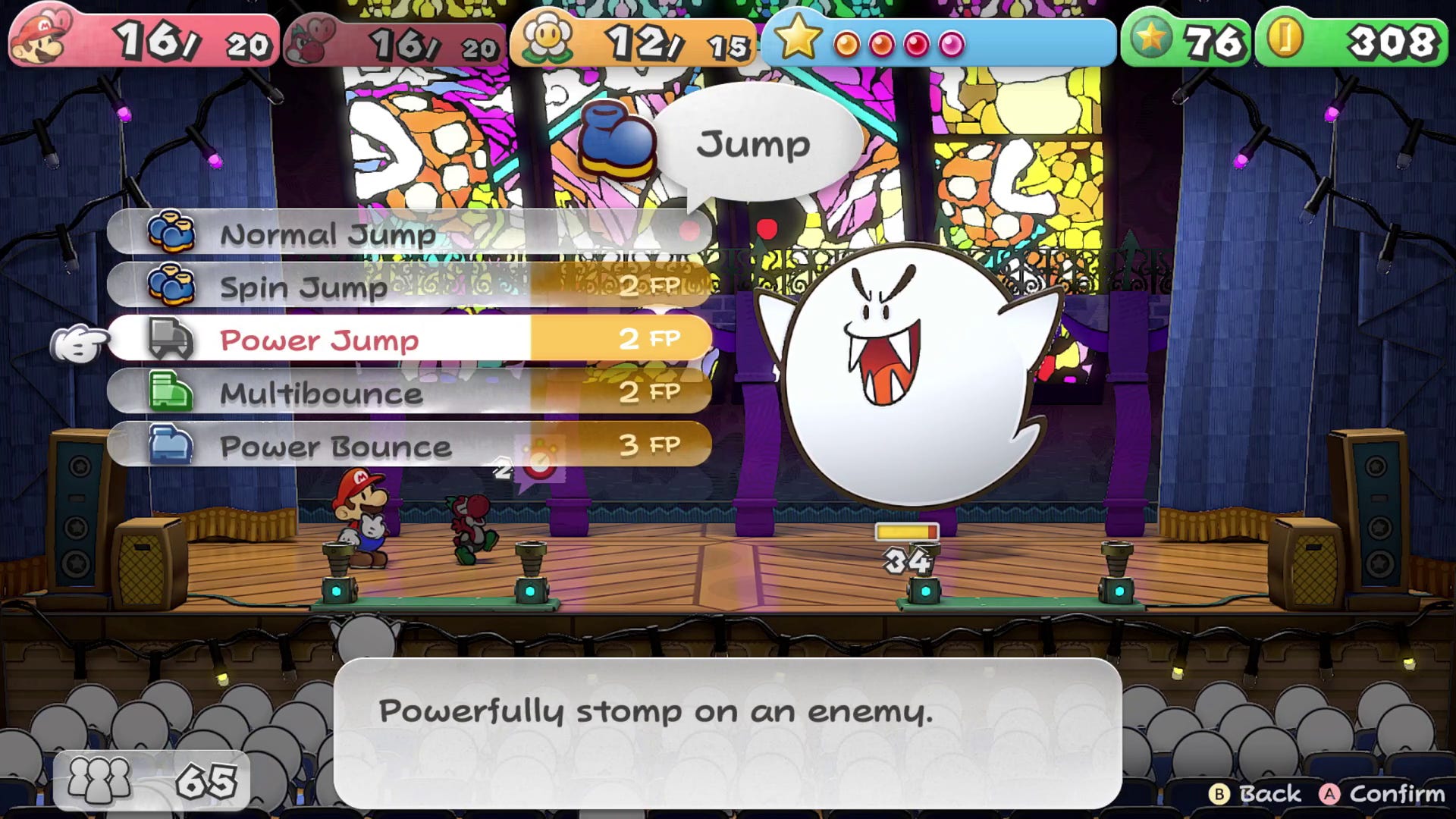
TTYD is certainly a unique RPG. It’s comical writing sets it apart from many other RPGs of the same mold. But it is very much part of a genre and not a pioneer in it. Indie RPGs made in this style will typically follow larger genre lodestars like Chrono Trigger or Earthbound.
That’s not to say that future RPGs wouldn’t cite TTYD as a major influence, though. There have been quite a few indie RPGs that explicitly set out to act as spiritual successors to TTYD, developed and released before a remake was a known quantity. It’s just that “Paper Mario-likes” have not taken off to the same extent that metroidvanias have.
One I’d like to focus on is Bug Fables: The Everlasting Sapling, because it stood out to me as a game that really, really wanted to follow in Paper Mario’s footsteps, but in so doing, kind of failed to be a remarkable RPG in its own right, in my eyes, at least.
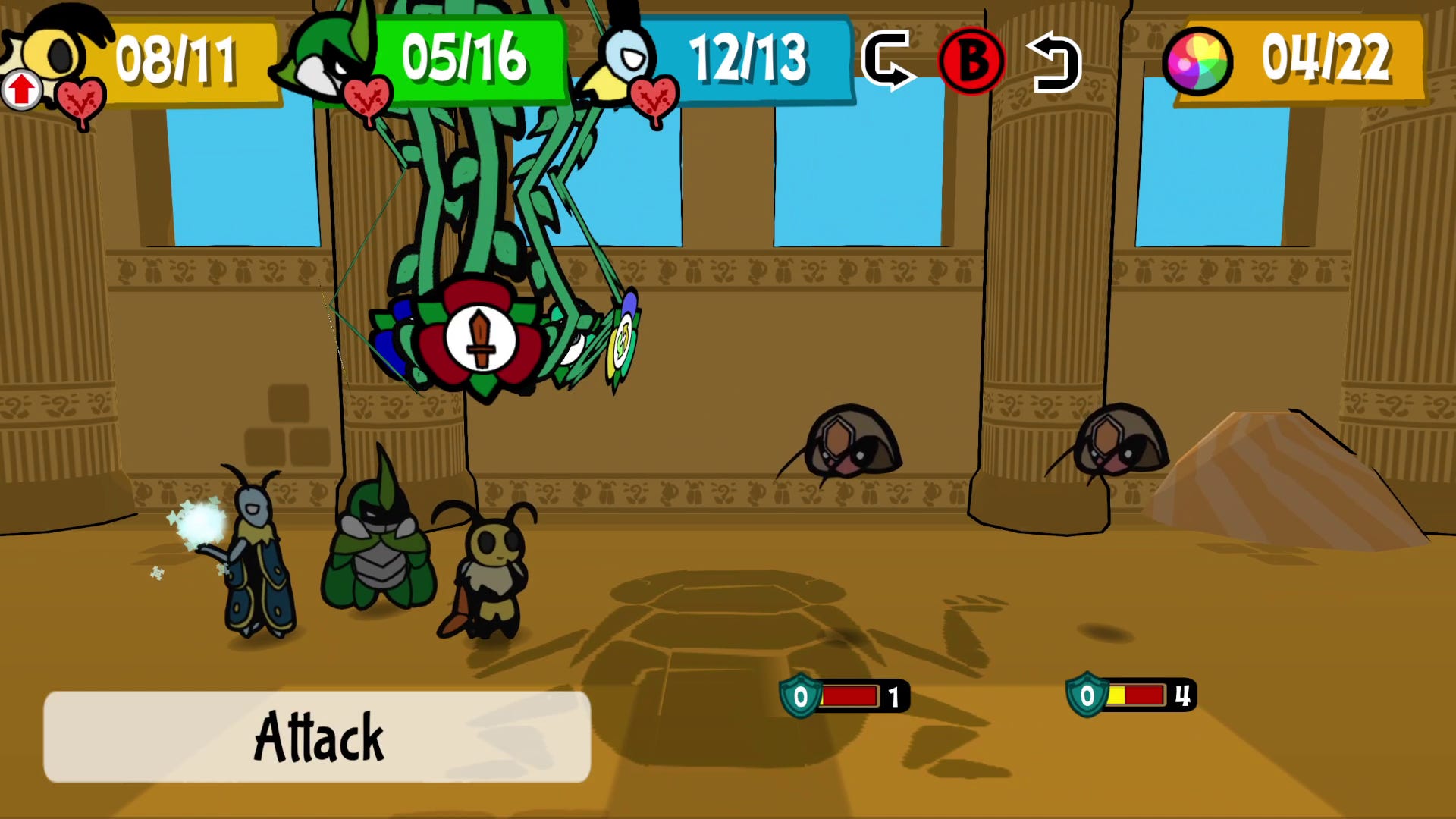
This is a hot take. Bug Fables was, by and large, a success. It received acclaim for meeting the standards of the Paper Mario series and debatably surpassing them. Lots of people love it, and if you’re one of those people, I’m earnestly happy that you enjoyed it more than I did.
I was, unfortunately, not as enthusiastic when I finally got around to playing it recently, but I’ll concede that on its own merits, it has a lot of redeeming qualities. It has some intriguing worldbuilding with a sense of curiosity and mystery, especially surrounding the game’s enigmatic non-binary moth Leif. I can’t help but love Leif’s character arc. (For those who haven’t gotten to Bug Fables yet, I won’t spoil it.)
But Bug Fables lacks a lot of the polish and pacing that made TTYD so special. TTYD was more episodic, with each chapter being a bespoke story with its own arc, but it took more time and care into showing its characters in the main chapters. Bug Fables, in my opinion, fails to gracefully dedicate that care into meaningfully showing just its three leads, with their core arcs being resolved in long-winded sidequests — one of which is in the postgame — when they should have taken center stage in the main narrative itself, which, as it is, perpetually feels in a hurry to get somewhere and rarely takes opportunities to slow down.
It’s progression also feels lacking, with stats increasing at even lower increments than the Paper Mario games. It doesn’t often feel like the three leads are growing very much, which contrasts with the main quest’s breakneck pace.
(Of course, that does cut both ways, and Bug Fables can be a deliciously challenging game when it wants to be. I enjoyed a lot of the game’s more difficult fights. But the overall feeling of progression, taken over the whole game, was lacking, in my experience.)
Other “Paper Mario-likes” haven’t reached the same level of success that Bug Fables had. I was particularly underwhelmed when I played the demo for Born of Bread, which also tries to carry a humorous tone but winds up relying on references and jokes that feel relatively hollow.
But you know what games have found success? Undertale and Portal 2.
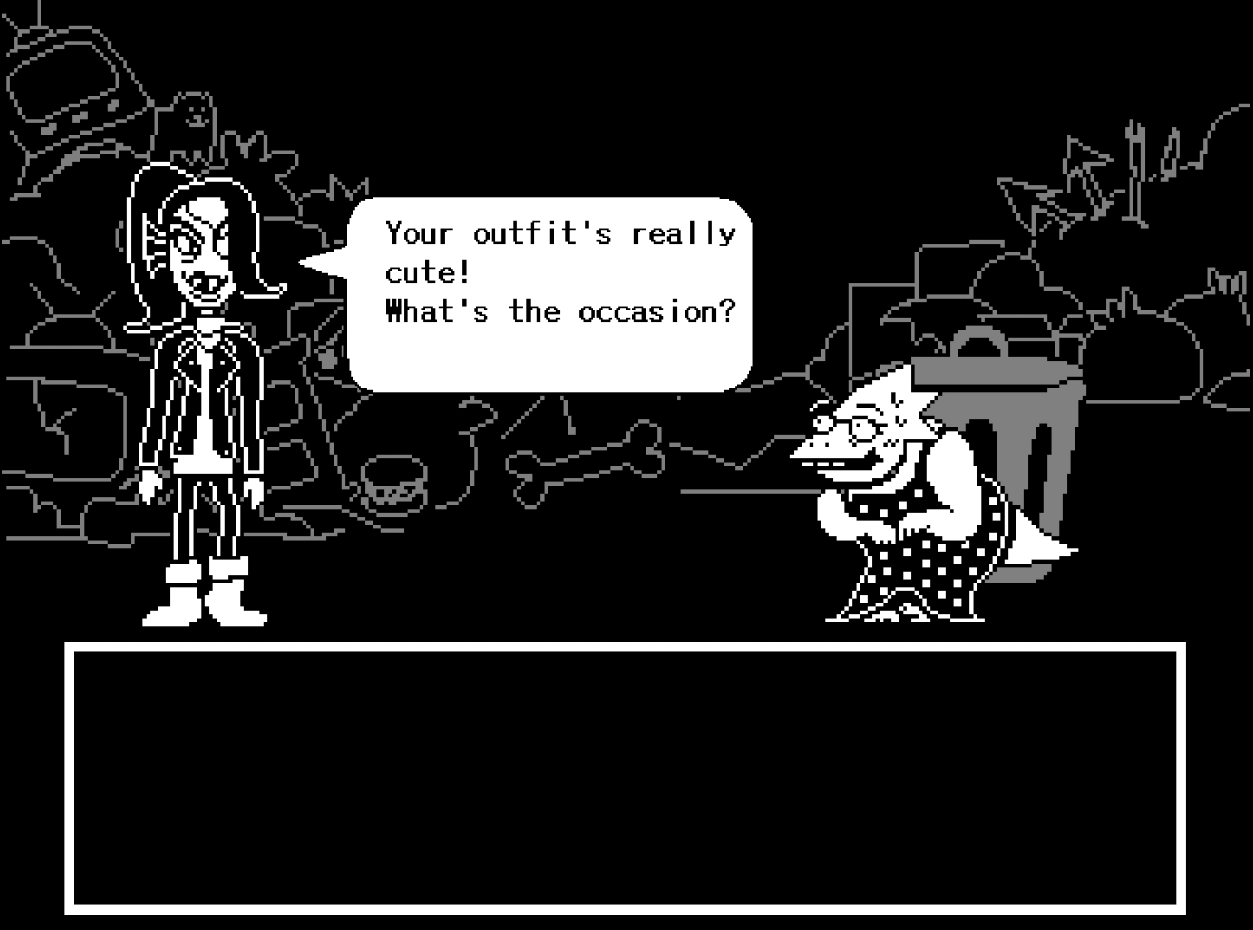
I know what you’re thinking. These games have nothing to do with Paper Mario and were not developed with Paper Mario in mind. And you’re correct. Undertale has its roots in Earthbound’s fan culture, and Portal 2’s writing is the product of Valve’s existing sense of humor as seen in the first Portal and Team Fortress 2.
However, these games end up scratching the same narrative itch that TTYD left me with over two decades ago, unintentionally, by pure happenstance. Both games strike a similar, beautiful balance between humor and surprising heart. And they’re not the only ones.
RPGs are a diverse genre, and games like Mother 3, West of Loathing, Fallout: New Vegas, and Final Fantasy IX all carry that same balance in their own wildly unique and divergent ways, likely without even considering Paper Mario as an inspiration. (Final Fantasy IX, having released a month before the first Paper Mario, physically couldn’t have considered it an inspiration. But I still enjoyed it for similar reasons.)
Knowing that helped me be at peace with Paper Mario continuing to experiment and be a different animal than it was when I was eleven. Even if future Paper Mario titles wouldn’t make me feel the way I did when I was young, TTYD had still cultivated my tastes to help me further appreciate other games from completely different lineages.
But I guess the fact that Intelligent Systems released a successful remake of TTYD kind of throws that peace into question. In a good way. I’d love to see new Paper Mario games made like the good old days. But a part of me kind of worries that we won’t see Paper Mario continue to experiment after the remake’s success, for better or worse. And that’s its own kind of shame. That experimentation ultimately led to The Origami King, which couldn’t have accomplished a lot of its narrative feats without the development of Sticker Star and Color Splash before it.
Ah well. I suppose, for me, it’s a good problem to have. And I look forward to what humorous, heartfelt games have yet to come, whether they carry the Paper Mario label or not.
A Wishlist Recommendation
It may feel sacrilege to move from talking about Mario to this, but…
Sonic the Hedgehog has been spending the past few years making a big cultural comeback. The movies, though I have misgivings about them, are genuine hits, and the recent games have also been received warmly; at least, relative to the series’ lows.
(My copy of Sonic X Shadow Generations is still stuck in the mail and I am foaming at the mouth to play it. The new stuff looks incredible.)
But beyond the bounds of the franchise itself, fans and independent developers have set up a thriving scene of games that pay homage to Sonic games of all strokes, from excellent 2D titles like Freedom Planet to wild, experimental projects like Dr. Robotnik’s Ring Racers or the Spark the Electric Jester trilogy.
And if you’ve missed the heyday of 3D Sonic games, whenever you thought that heyday may have taken place, then you need to look at the upcoming Rollin’ Rascal.
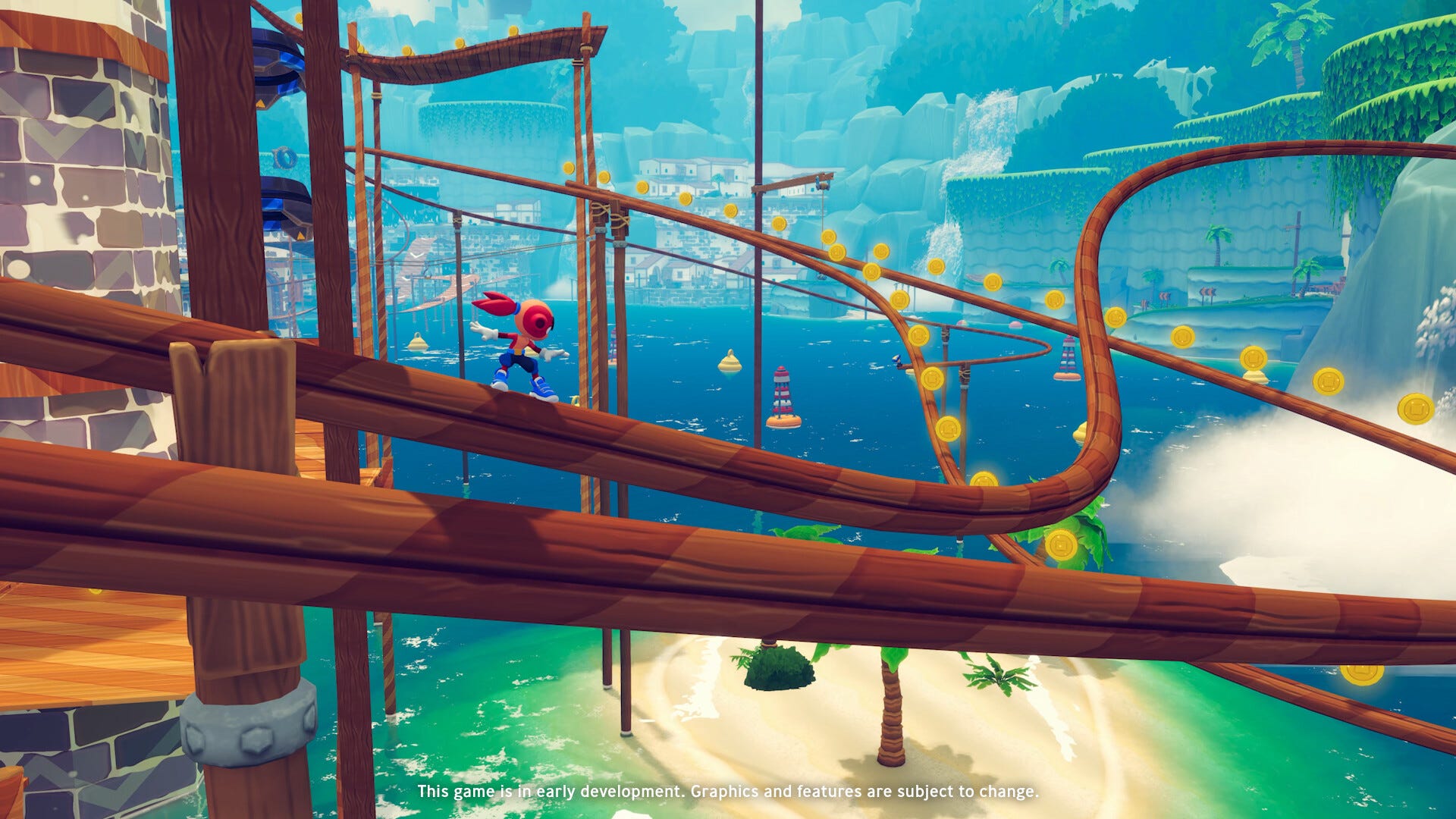
The titular alliterative hero moves smoothly and effortlessly through big levels that are a joy to navigate, alongside a neat take on Super Mario Odyssey’s capture mechanic. It plays very well.
Rollin’ Rascal is currently planned for release on Windows PC via Steam. A demo is available now.
Take care of yourself. This week, this month, this year, in perpetuity. Play something fun. Do something you enjoy. Revel in the presence of people you love. Now and always.
Thanks for reading The SuperDQP Weekly! Subscribe for free to receive new posts and support my work.