
The SuperDQP Weekly - May 19, 2025

Ladies, gentlemen, those betwixt and without, we gather here today to hold vigil; to mourn and celebrate the loss of those who became beloved through their toil and suffering.
Which is all a very dramatic way of saying that this newsletter is about organizational closures.
A wishlist rec for changing times
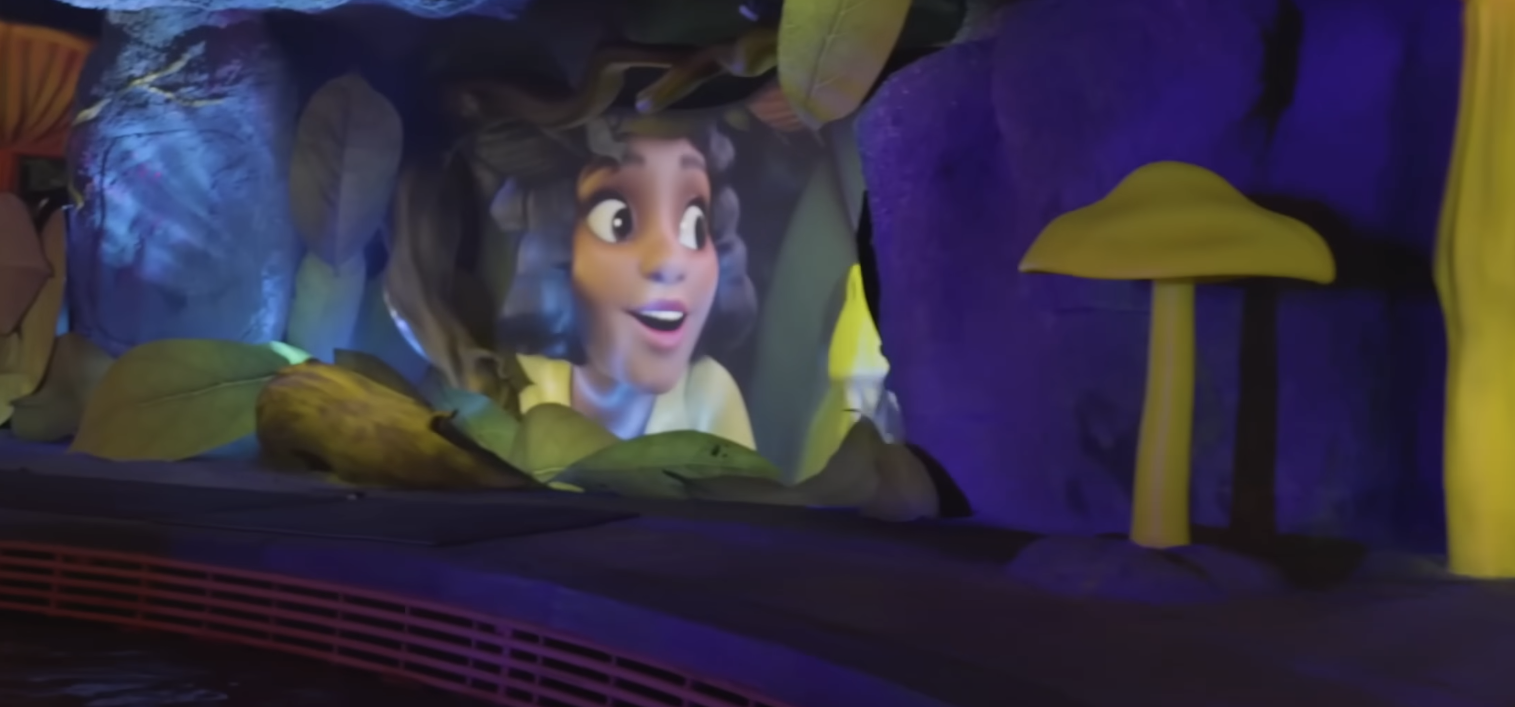
I was watching a video on recent ride overhauls at Disney parks the other day, including the recent rebranding of Splash Mountain into Tiana’s Bayou Adventure, themed after The Princess and the Frog, and something in that video broke my heart a little.
Not that I have much nostalgia for the ride; I’ve never been to a Disney park and I’m familiar with Splash Mountain’s, uh… troubled history. Rather, Tiana and the other characters in the ride were animated in 3D, in contrast to the film the ride was based on, which was very notably drawn in 2D. Like, I can’t stress enough how much of a selling point of the movie it was that it was a nostalgic return to form for Disney as a 2D animation studio, and here, Disney chose instead to rely on 3D animation for their ride based on the movie. It sucks, right?
Now, hand-drawn 2D animation does still exist; independent animators still often rely on it, and much of today’s anime is still drawn instead of modeled – or both, in many cases. But today’s wishlist rec, the lavishly-drawn Bye Sweet Carole, calls back to what is now a sad novelty.
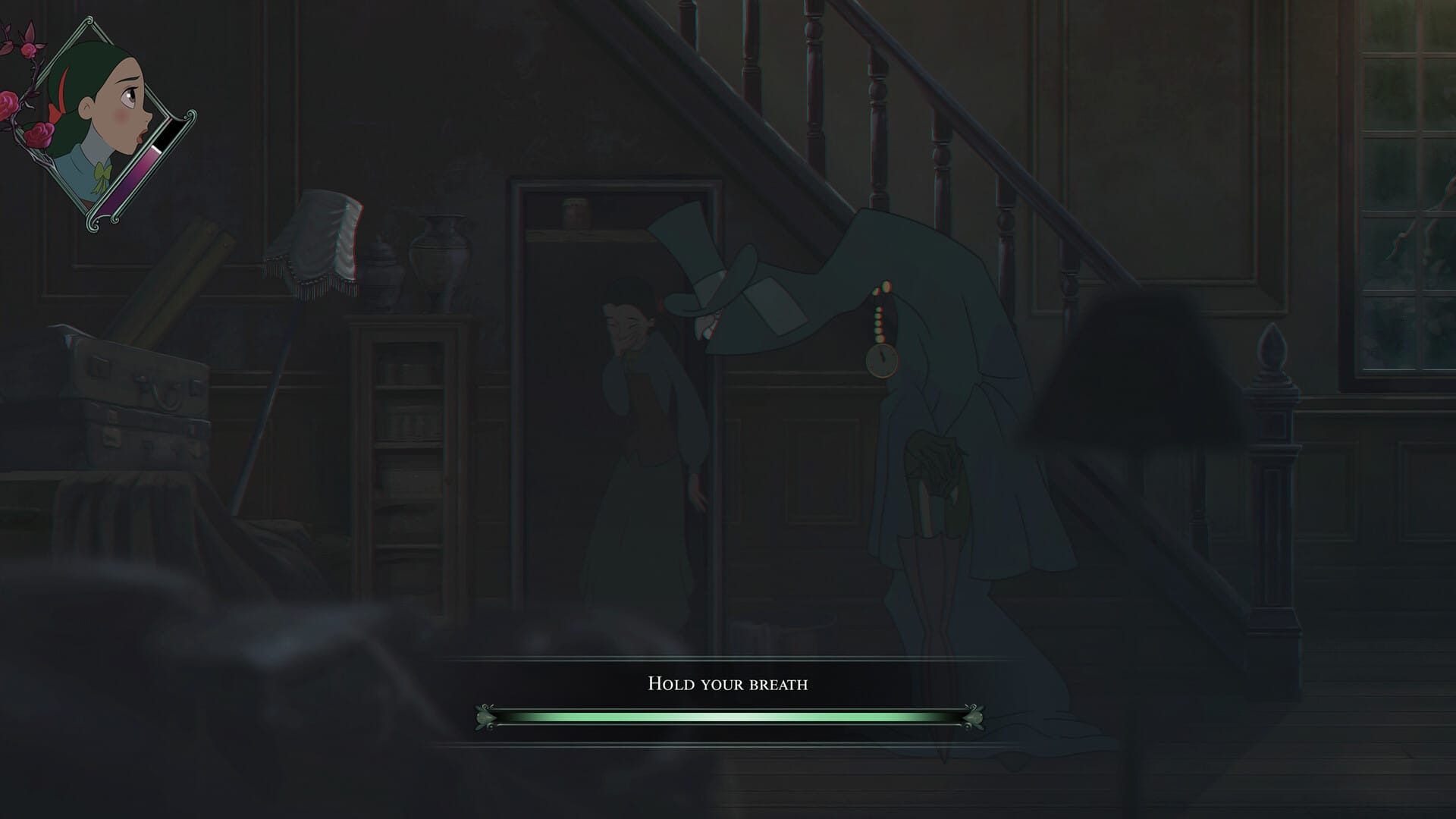
Opening the game’s Steam page is like getting punched in the face. The animation is so unbelievably fluid in a ways evocative of Don Bluth or the Disney Renaissance in their heydays. It rivals Cuphead in terms of sheer effort on display.
It doesn’t hurt that the gameplay itself pushes for more of a survival horror tone, melding two styles that I wouldn’t have considered would work well together. But I hope they ultimately do.
Bye Sweet Carole is scheduled for a 2025 release on PlayStation, Xbox, and Windows PC via Steam.
For those we lost
This topic has weighed heavily on me over the past several weeks with the spiritual deaths of Polygon and, for a little while at least, Giant Bomb. But game studio closures have been so common that it’s been difficult to keep track of them all.
So, I wanted to take this opportunity to celebrate just a few studios that are no longer with us, or worse, folded into other, less distinctive projects.
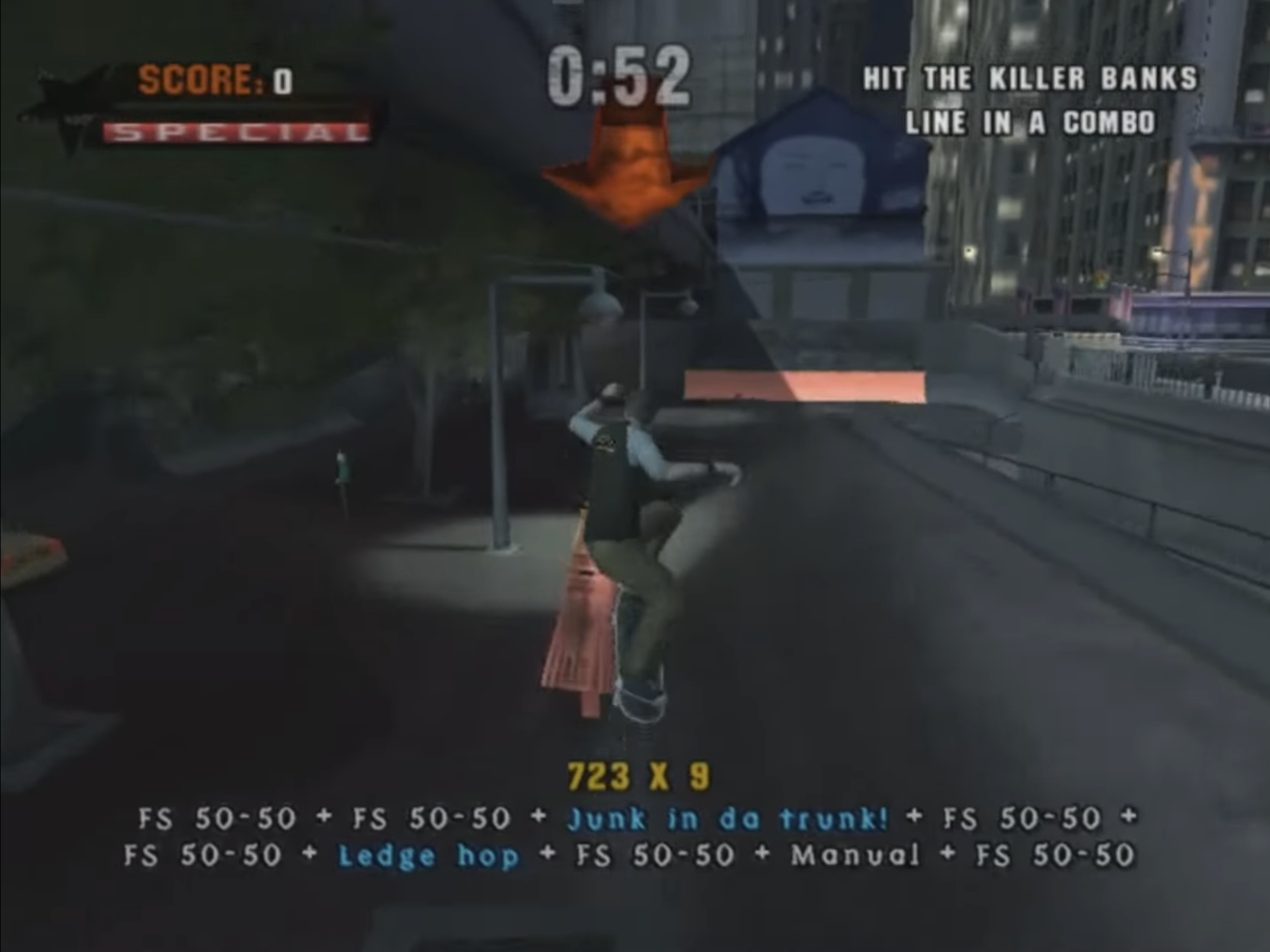
A foundational developer when I was growing up was Neversoft. I discovered their Tony Hawk series when I was in middle school, and Neversoft shifted their resources to Guitar Hero shortly thereafter. I have fond memories of both series, and it broke my heart to learn that they were relegated to a Call of Duty support studio and merged into non-existence outright in 2014.
Neversoft’s demise was a while ago, but I bring them up for two reasons: one, to demonstrate that executive shortsightedness has always been a factor in layoffs and studio closures. While this has been an intense phenomenon over the past few years, it’s hardly a new one. Tony Hawk, Guitar Hero, and Call of Duty all have one thing in common: they were perceived by executives at Activision as safe bets for constant re-release. While Call of Duty still enjoys some popularity, audiences predictably grew tired of Guitar Hero and Tony Hawk after years of games glutting store shelves and abusing consumer good will.
But the second reason is because Activision recently successfully rebooted Tony Hawk under a different developer in 2020, only to then exact the same fate upon them.
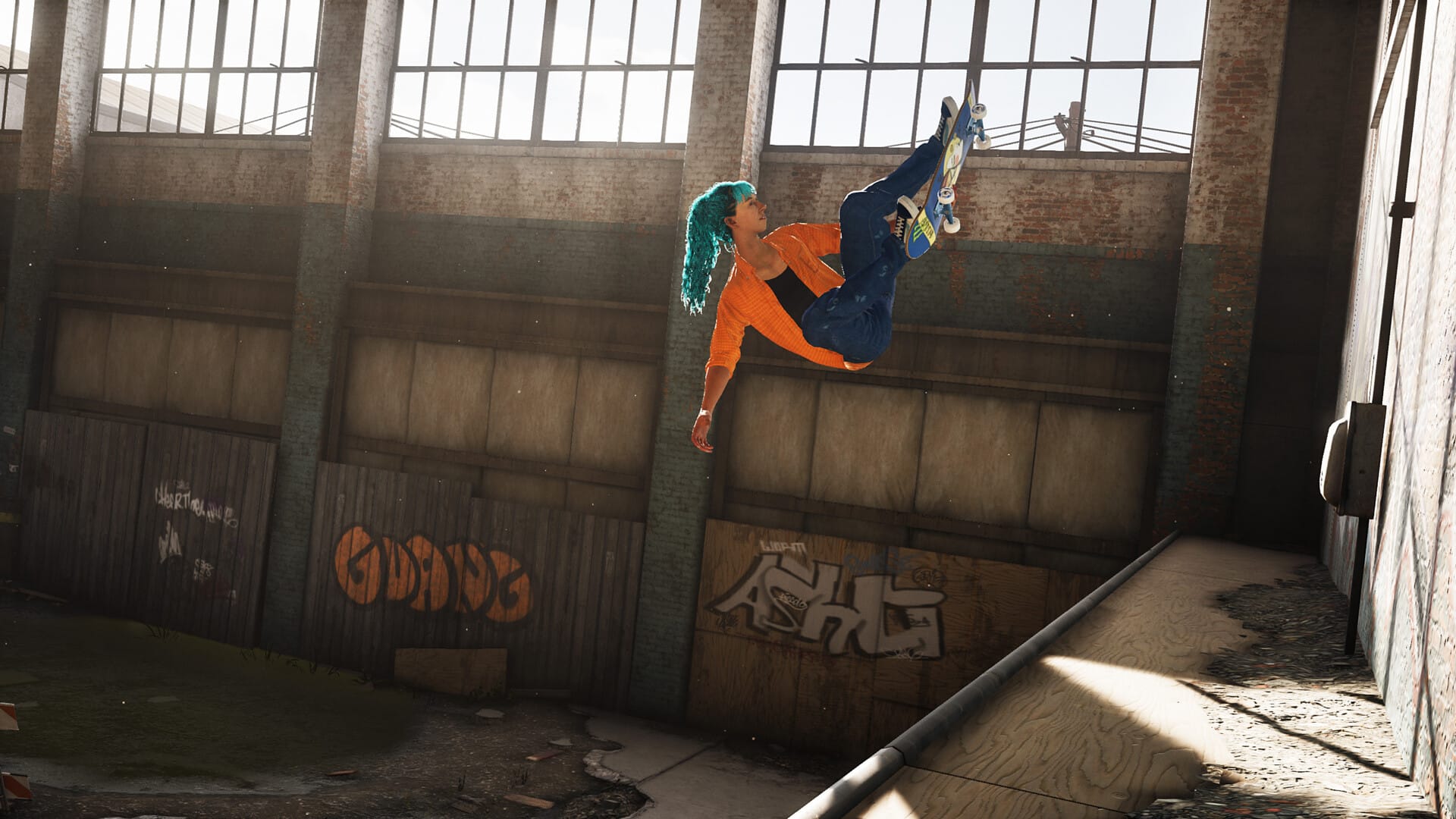
Vicarious Visions was the reason why I was able to get into Guitar Hero in the first place; they were a support studio who ported the series to the Wii, which was my only home console throughout middle and high school. They also developed handheld versions of a lot of Activision’s hits at the time before working on Skylanders and eventually the excellent remakes of Crash Bandicoot and, yes, Tony Hawk’s Pro Skater 1 + 2.
And yet, even though they were hits, VV were eventually renamed Blizzard Albany and folded into the Diablo IV team, not even getting a chance to work on the upcoming 3 + 4 remake.
These are two developers that I was familiar with during their heyday (or in VV’s case, before their true heyday) and it saddened me to see them fall victim to corporate greed. But even more soul-crushing is when you discover a developer’s magnum opus only shortly before they perish.
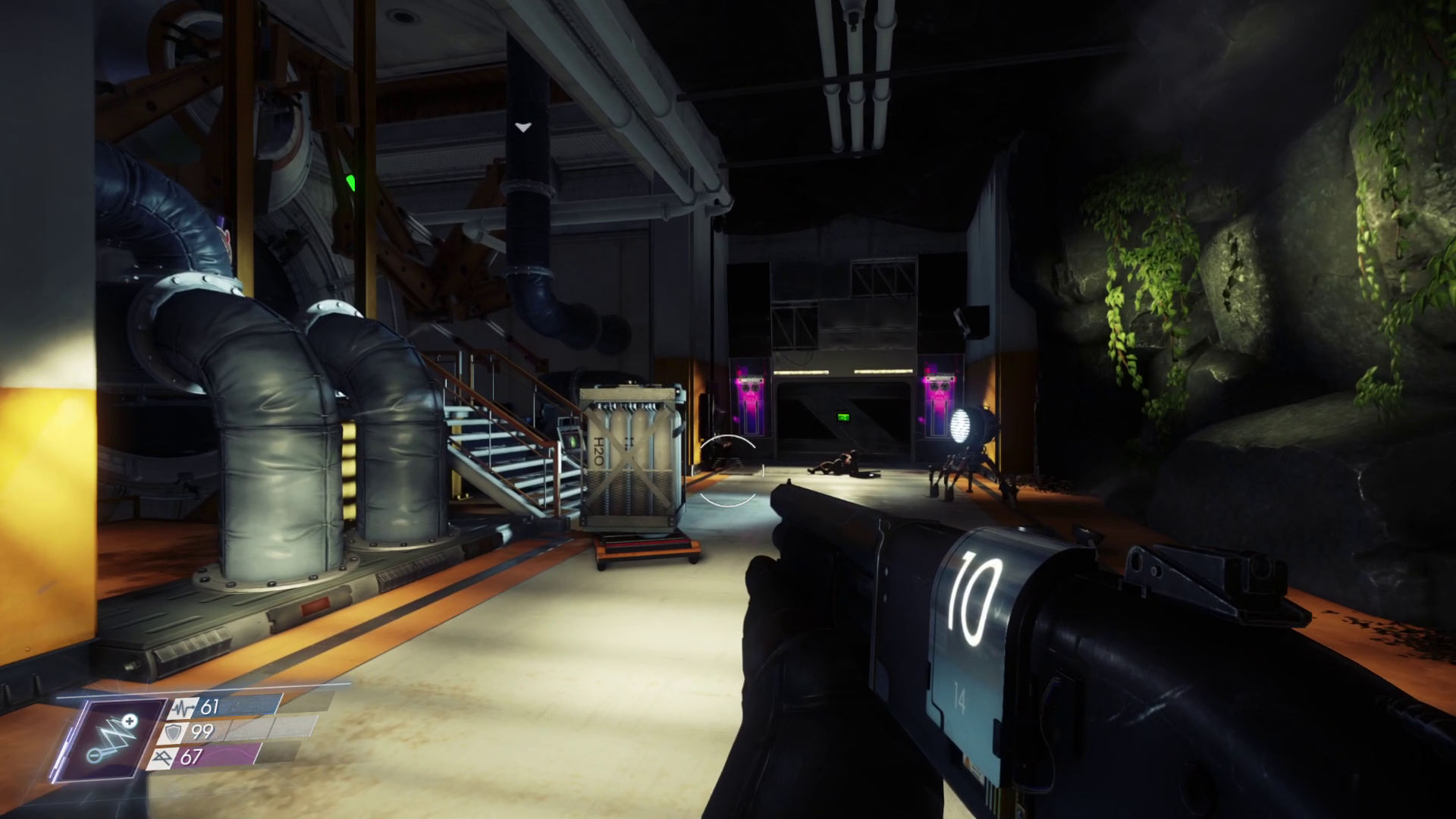
Arkane Austin was already on my radar for Dishonored, which I enjoyed before the studio split into offices in Austin, Texas and Lyon, France. While the Lyon branch continues to this day with the future Dishonored games as well as Deathloop, the Austin team worked on my favorite of Arkane’s oeuvre: the unfortunately-named but nonetheless brilliant Prey.
Prey took me a long time to get around to: five years after release, to be exact, mere months before Arkane Austin would release Redfall, the failed live-service game that would spell their doom.
Prey’s writing, design, and themes were good enough to give me some hope that Redfall would have at least some redeeming qualities, but alas, it was not to be, and by the end of 2023, Arkane Austin was no more.
And it sucked! It felt terrible to play a game that resonated with me so much, only to watch immediately afterward in real time as the developer went down a path they couldn’t maintain and died a quick death. It’s disheartening.
I want to wrap up with Monolith Productions before I get to my big point.
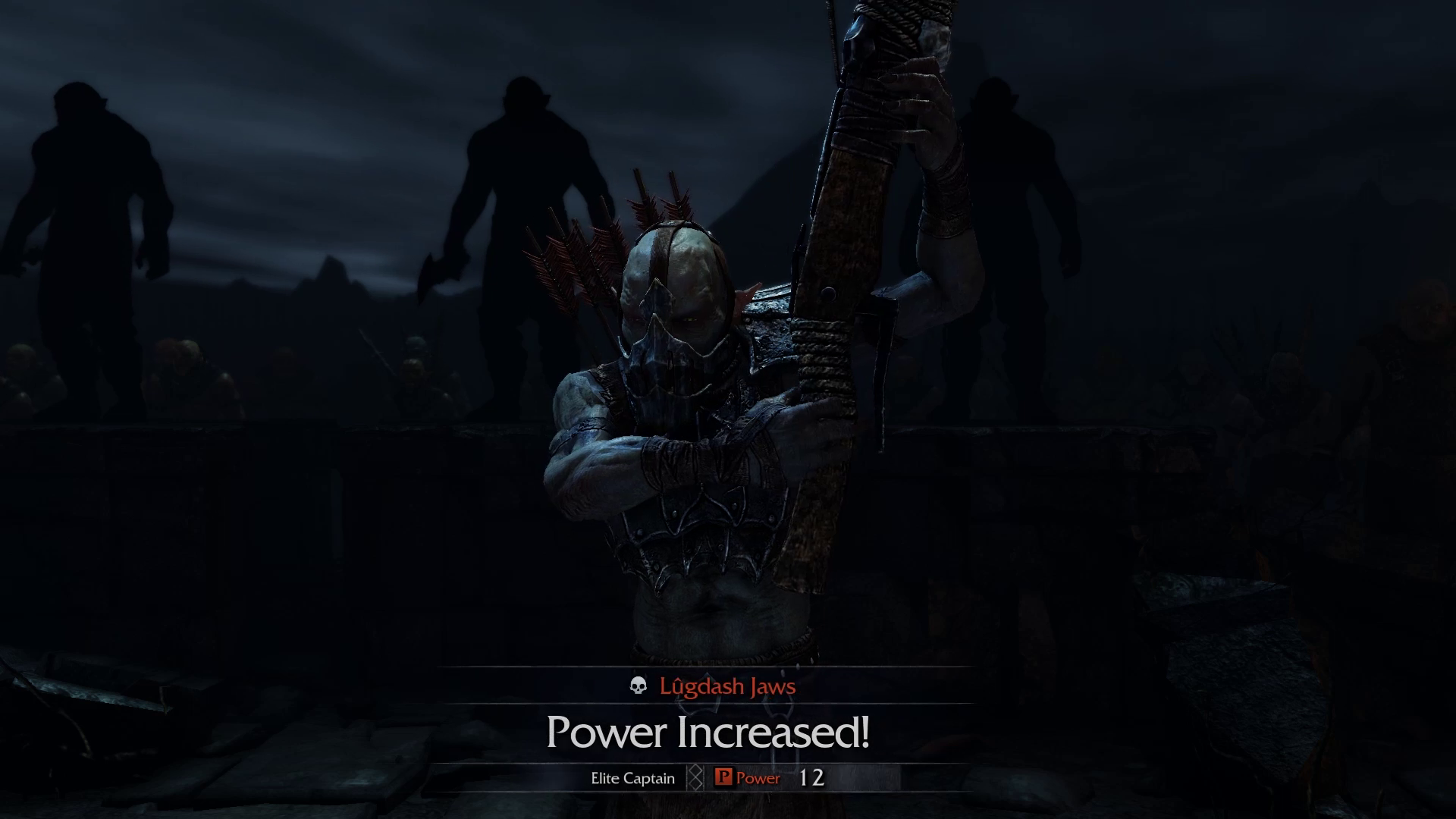
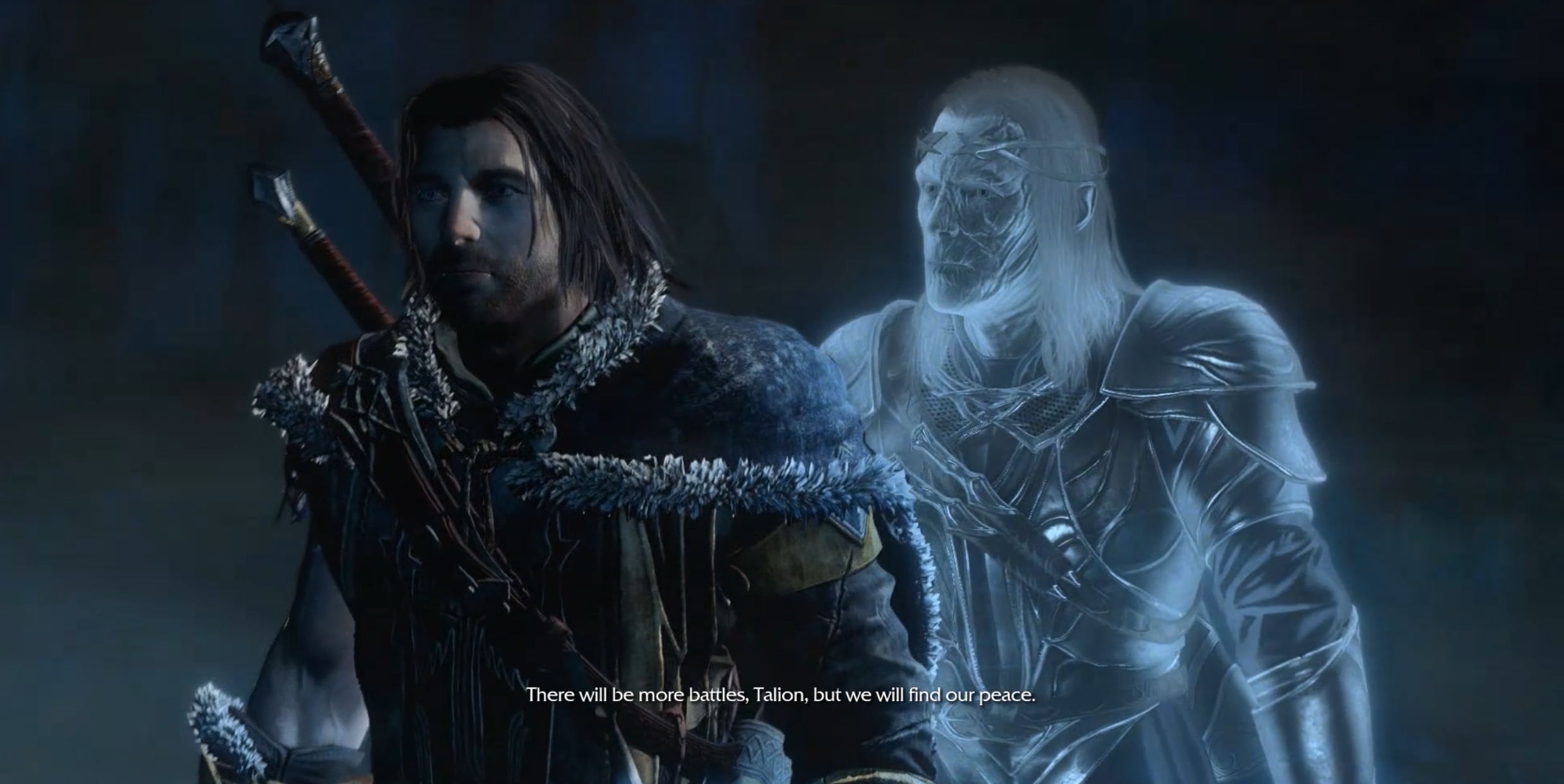
Monolith was old. Their first game was considered a “Doom clone.” Several of their games, like F.E.A.R. and Middle-earth: Shadow of Mordor, have been ambitious and history-making technological marvels.
They were unceremoniously closed earlier this year. They were working on a Wonder Woman game. We’ll likely never have the chance to know what it would have played like.
I confess that I’m not as familiar with Monolith’s work as the above examples. I dumped a lot of time into Shadow of Mordor but never finished it. But many of their games seem like they’d be right up my alley; Blood, No One Lives Forever, and Tron 2.0 in particular seem like games I’d really enjoy. And that’s its own kind of heartbreaking; to see a studio that you’ve respectfully watched over the years get gutted before you could really appreciate their work. I can now only enjoy those games posthumously.
Obviously, these studio closures don’t necessarily equate to human death. Many of the individual people who made these games are still around in some form or another; many of Prey’s designers went on to work on the indie Weird West, after all.
But they are still composed of people, and in each of these cases, those people were left suddenly without a job. A lucky few got to gracefully re-enter the business, but most will likely never work in video games again.
That is a real wound to the medium. Art depends on human creativity, and to snuff that creativity out for the sake of numbers on a spreadsheet is to inflict permanent harm on the art form.
I understand that video games are a business, and like any other medium like films, music, or books, there is a necessary intersection between art and commerce. But these layoffs and closures are indulgences. Warner Bros. Discovery did not need to close Monolith to continue functioning, nor did Activision need to close Neversoft, nor did Microsoft need to close Vicarious Visions or Arkane Austin. These are massive corporations – er, now they’re just two corporations, technically – with very handsomely-paid executives who chose to accept higher pay and stock value rather than let their artists continue to make their living.
I mourn these closures because they are heartbreaking, but they are only so heartbreaking because they are unnecessary. These studios employed very talented people whose craft raised the tide on the entire industry. And their owners chose to close them out of shortsightedness.
And because of that, we’ll never get to see what VV’s take on Tony Hawk’s Pro Skater 3 + 4 could have been. Or what Arkane Austin’s next immersive sim could have learned from Redfall’s mistakes. Or, hell, some usage, any more mileage out of Monolith’s impressive Nemesis System, which is still locked in patent jail despite the developer no longer being around to use it.
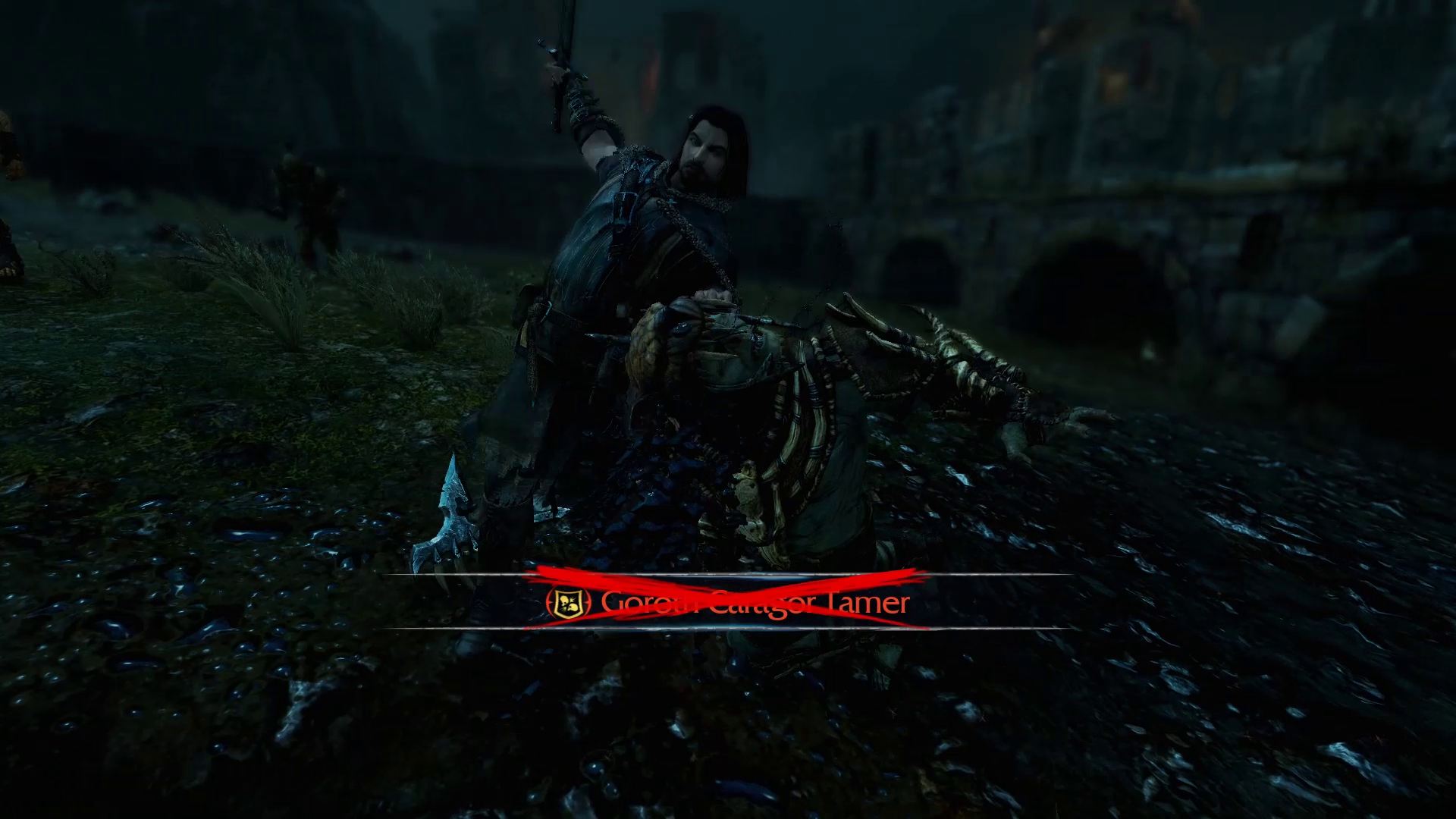
These four developers represent a miniscule fraction of the studios that have suffered from layoffs and closures in the years since the COVID-19 pandemic. They are but a drop of a drop in the bucket full of people whose livelihoods have been destroyed and who will likely never re-enter the medium. And that bucket doesn’t even include games media, which has also spent the last five years being bled dry.
And for what? To appease investors who have since moved on to other rapid-growth opportunities like AI, and likely won’t come back? To afford executives an even higher salary?
As someone who’s appreciated this art for nearly all of my life, watching it all kind of destroys me from the inside out.
I really wish there were a more optimistic way to end this newsletter, but it’s all a tragic reflection of the economy’s priorities.
So I’ll just say this. Play and treasure the games you love, and the games that look cool, and the games that look fun and interesting and weird. Because chances are good their developers won’t be around for much longer, and they’ll need the extra cash in the years to come.