
The SuperDQP Weekly - May 5, 2025

You ever leave a room after an argument, only to then think of the perfect retort hours after the fact? Well, that happened to me, and now I’m writing about executive dysfunction again because I just thought of another wrinkle to the conversation.
Happy Cinco de Mayo. Buckle up.
A low-bandwidth game rec
I’ve gushed about Team Ladybug in the past; their games are dumb fun, and they know they’re dumb fun. But they’re also lavishly detailed, with some of the smoothest and most stunning pixel art animation in the industry. To play one of their games is to simulatneously turn one’s brain off, and to gaze in awe at the magnitude of the loving work of a bunch of otaku animation freaks.
Their latest, Blade Chimera, is no exception.
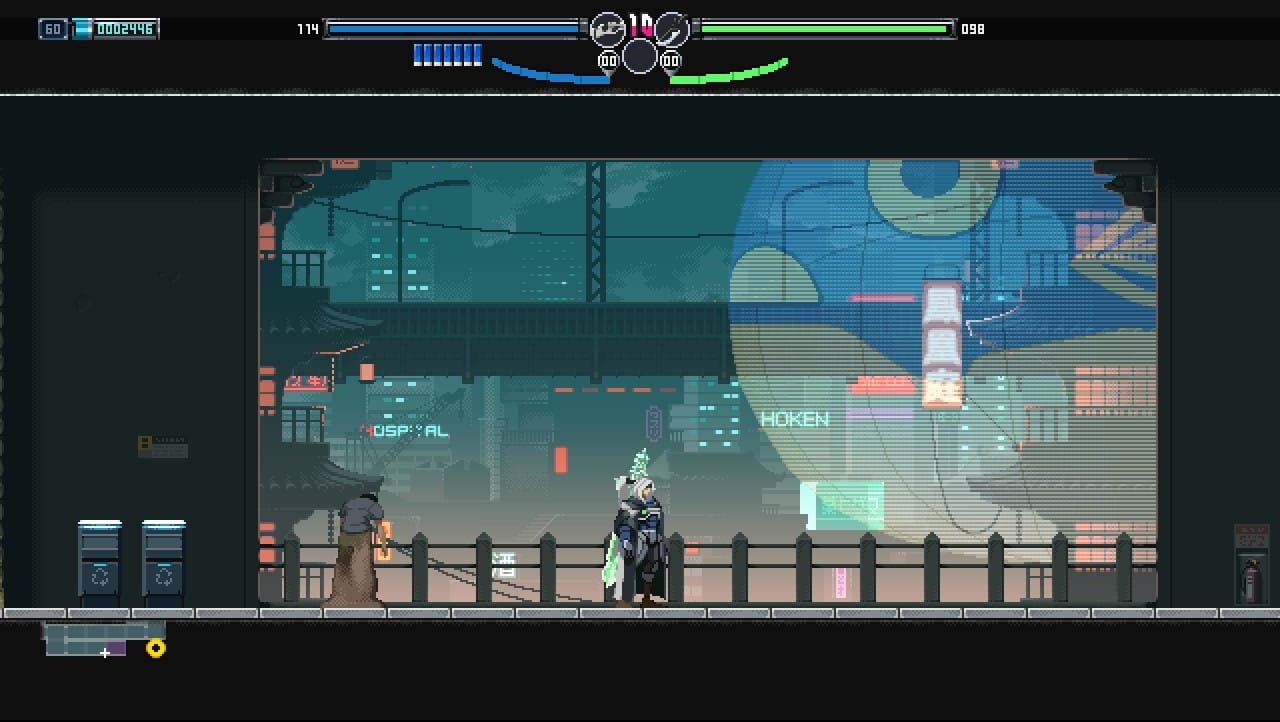
Blade Chimera very much wears its inspirations on its sleeve, and anyone who’s played Castlevania: Symphony of the Night will instantly recognize the main characters run cycle and attack animations, not to mention the diverse enemy designs. It’s not subtle.
But it doesn’t have to be. It’s a loving homage with great game feel, and though it also copies some of Symphony’s less savory design decisions (we meet again, straight enemy corridors), it’s still a good time with some decent platforming mechanics. And as always, the pixel art is beautiful.
If you miss the PS1/GBA/DS era of Castlevania, you need to play Blade Chimera ASAP. It’s like a direct step back in time.
(And needless to say, play Ladybug's other metroidvanias like Touhou: Luna Nights and Deedlit in Wonder Labyrinth too.)
Blade Chimera is available on Switch and Windows PC via Steam. It is Steam Deck verified, and my experience playing on Deck reflected that.
Let’s discourse about discourse
Last week, I wrote at length about executive dysfunction and how real-world stress plays a part in it, but I casually mentioned one excuse for it that I think begs to be explored deeper.
“Exciting game X is about to come out.”
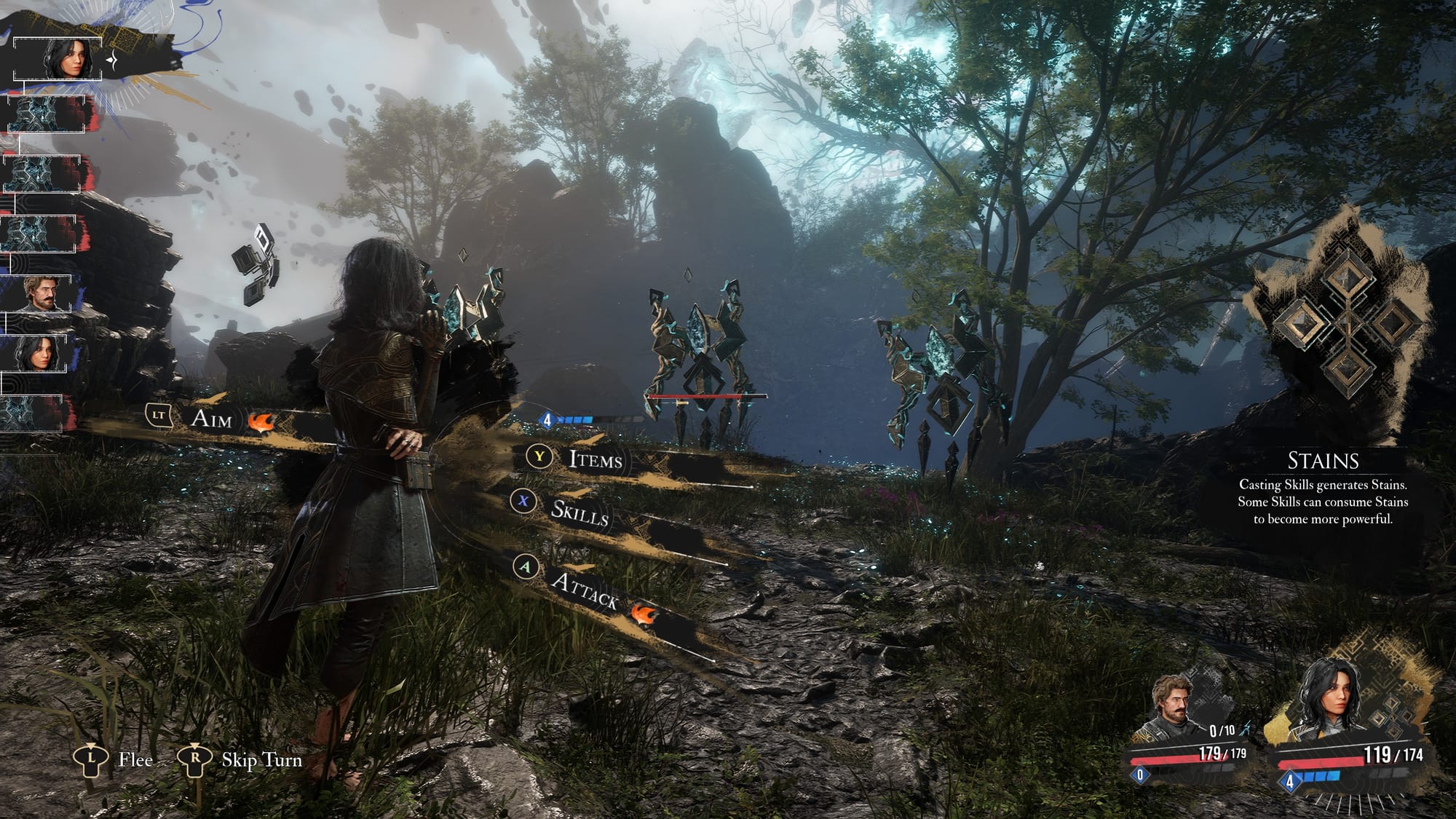
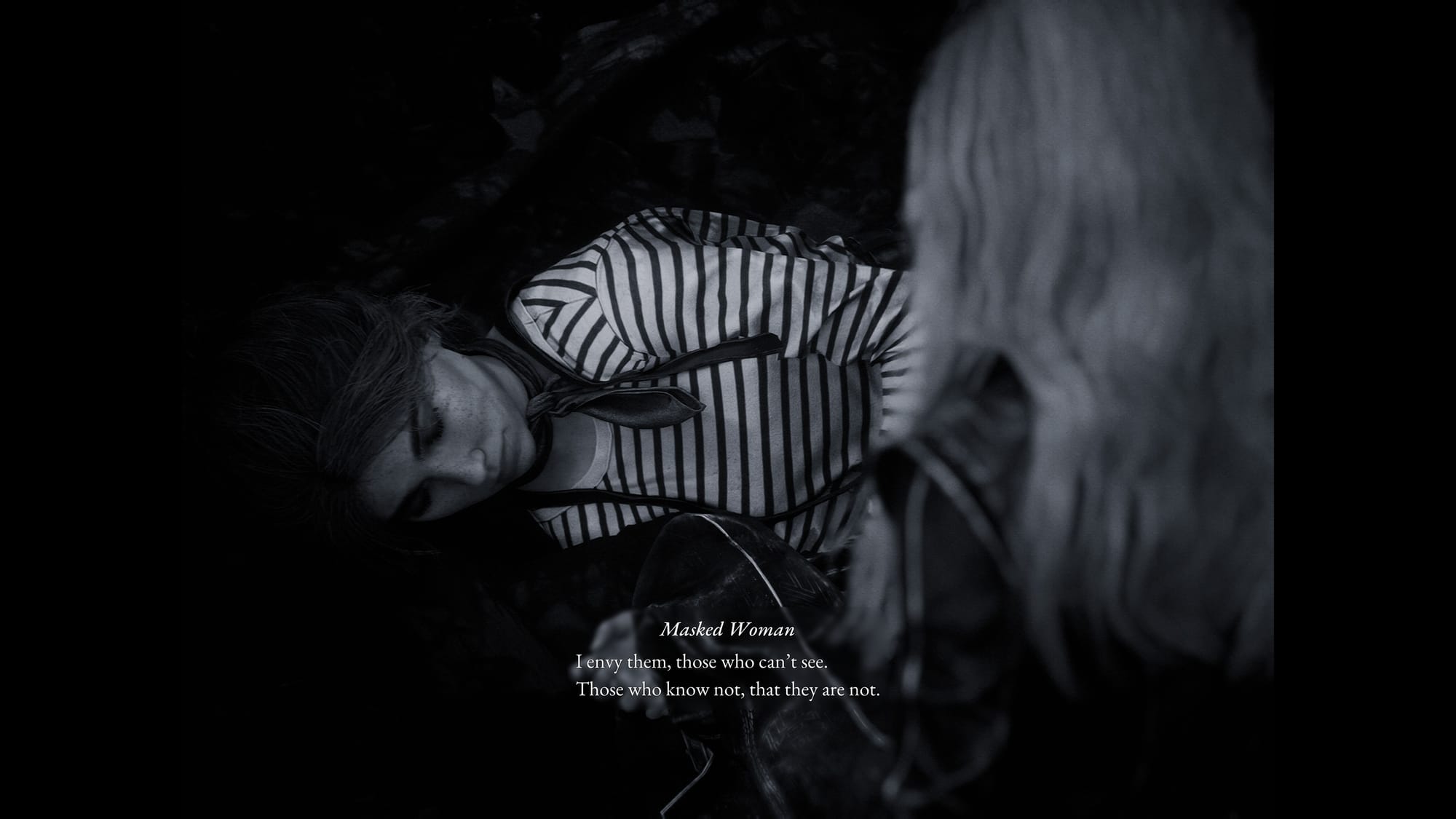
It just so happens that one of those Exciting game Xs has currently captured my attention. Clair Obscur: Expedition 33, pictured above, is the perfect SuperDQP game. It borrows the action commands from the Paper Mario games (with the parry system feeling just as good if not better than Thousand-Year Door’s Superguard mechanic), the world map from PS1-era Final Fantasy games, elemental weaknesses from Shin Megami Tensei and Pokémon, the basic story premise from Annihilation, and wraps it all in a Belle Époque artistic direction with mature emotional themes surrounding grief, perseverance, and hope.
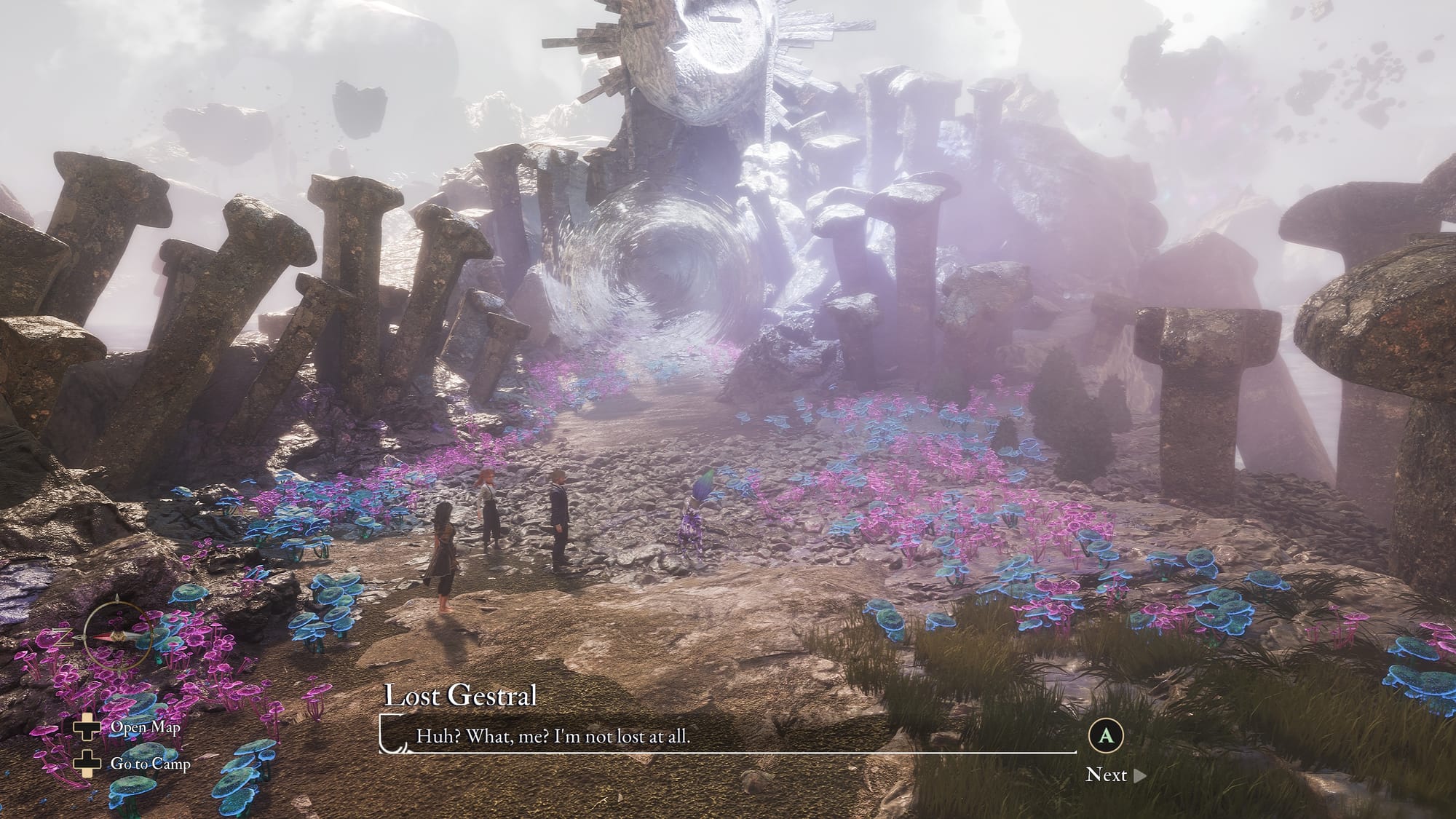
And there are little guys! Every ‘90s RPG throwback worth its salt needs little guys, and Expedition 33 is teeming with little guys.
I wrote the first draft of last week’s newsletter less than a day before Expedition 33 launched, and I was fully aware that it would be the “Exciting game X” that I alluded to.
And it would seem I wasn’t the only one. Expedition 33 has taken off, selling more than a million copies in its first week, and even drawing the attention of French president Emmanuel Macron. I’ve seen more of it on social media than even the better-selling remaster of The Elder Scrolls IV: Oblivion, with people posting about the hilariously difficult mime enemies and talking amongst themselves about the game’s reliance on tight timings for dodging and parrying.
Now, “I’ve seen more of it on social media” is a hell of a caveat, because everyone’s experience on social media is different. I’ve gladly left Twitter for Bluesky, which allows for more minute curation of a user’s feed (as well as the optional removal of algorithmic feed curation, thank God), but even on a more conventional social network like YouTube or Instagram, the algorithm that governs your feed is dictated by the information you directly and indirectly feed it, through what you like, what you post, and what data the app harvests from your usage, down to how long you stare at a certain photo. No one sees the same feed.
(And I’ll preemptively answer the “can you give me your Bluesky handle” question with a respectful Captain America-esque “No, I don’t think I will.”)
It’s because of this level of conscious and unconscious curation of discourse that it’s easy to mistake a game’s zeitgeist as larger than it actually may be. Lots more people might be posting Oblivion content than Expedition 33 content. I wouldn’t know. My socials know me well enough to show me more of the latter than the former.
But regardless of how large the zeitgeist actually is, social media makes it very easy to talk about video games, and argue about video games, and celebrate video games; and there’s one important thing that social media isn’t built for: actually playing the damn video games.
And therein lies the rub: on a taxing, stressful day, it’s a lot easier to open up Bluesky and Discord and read about video games than it is to play them.
This isn’t necessarily a net negative. I don’t want to kick video game media while their down, with Polygon and Giant Bomb both having laid off vast swathes of their staff this past week.
(And yes, this is a reminder to support all of your media organizations, from local public media stations to your favorite YouTuber’s Patreon to gaming journalist collectives like Aftermath or Remap. Ad revenue and search engine optimization is not enough and it has never been enough. Public media is going through an especially rough patch politically right now and the best way to ensure you still have it and other gaming-focused media five years from now is to donate, donate, donate.)
Games media has done some incredible work highlighting working conditions, boycotts, and exploitation within the industry. Having a finger on video gaming’s pulse is critical to being an informed participant in the art form.
But also critical to being an informed participant in the art form is, well, participating. And speaking personally, it’s been hard lately for me to summon the executive willpower to play video games, as I lamented last week. And in those moments of executive dysfunction, it’s easier to open up my phone and see what people are arguing about in terms of video games this time.
It’s especially difficult because unlike many gaming personalities and writers, I don’t do this for a living. I love video games, but they are not my day job. As a full-time employee at a non-gaming media organization, the time I can put towards this hobby is extremely limited.
And in those limited moments of downtime, what’s easier? Getting things set up on my PC or Steam Deck or – worst of all – waiting for my PS5 to finish updating after months of not using it? Or, opening my phone and seeing what everyone’s hot takes are on the video game of the moment?
It applies to other media, too. Even something as simple as watching a movie or TV show takes more effort than opening Bluesky or Discord. And I kind of hate that.
I love my friends on Bluesky and Discord, but I kind of hate that those two apps are taking up more of my time than Expedition 33 is. Because Expedition 33 was made for me. It is my platonic ideal of what a video game should be.
And even then, it’s still easier to doomscroll and discourse on social media than it is to play it. And I really wish that weren’t the case.