
The SuperDQP Weekly - October 28, 2024
Are you still looking for answers where there are only questions?

It’s the last Monday before Halloween, and we’re ringing it in with… uh, something profoundly sad. Get comfy.
Thanks for reading The SuperDQP Weekly! Subscribe for free to receive new posts and support my work.
A Witchy Game Recommendation
I honestly feel a little out of my depth talking and thinking about tarot. The fortune-telling practice has seen a recent resurgence as a way to intuit and understand aspects of relationships, the self, and spirituality, as well as offer an outlet for artistic expression that has led to some beautiful artwork.
Entire essays can and have been written on this resurgence, particularly in queer communities. However, prior to playing this recommendation, my understanding was limited to the Persona series’ interpretation, with each social link loosely based on a specific major arcana.
It’s with that in mind that I recommend The Cosmic Wheel Sisterhood as a sort of gateway into a lot of tarot’s potential.
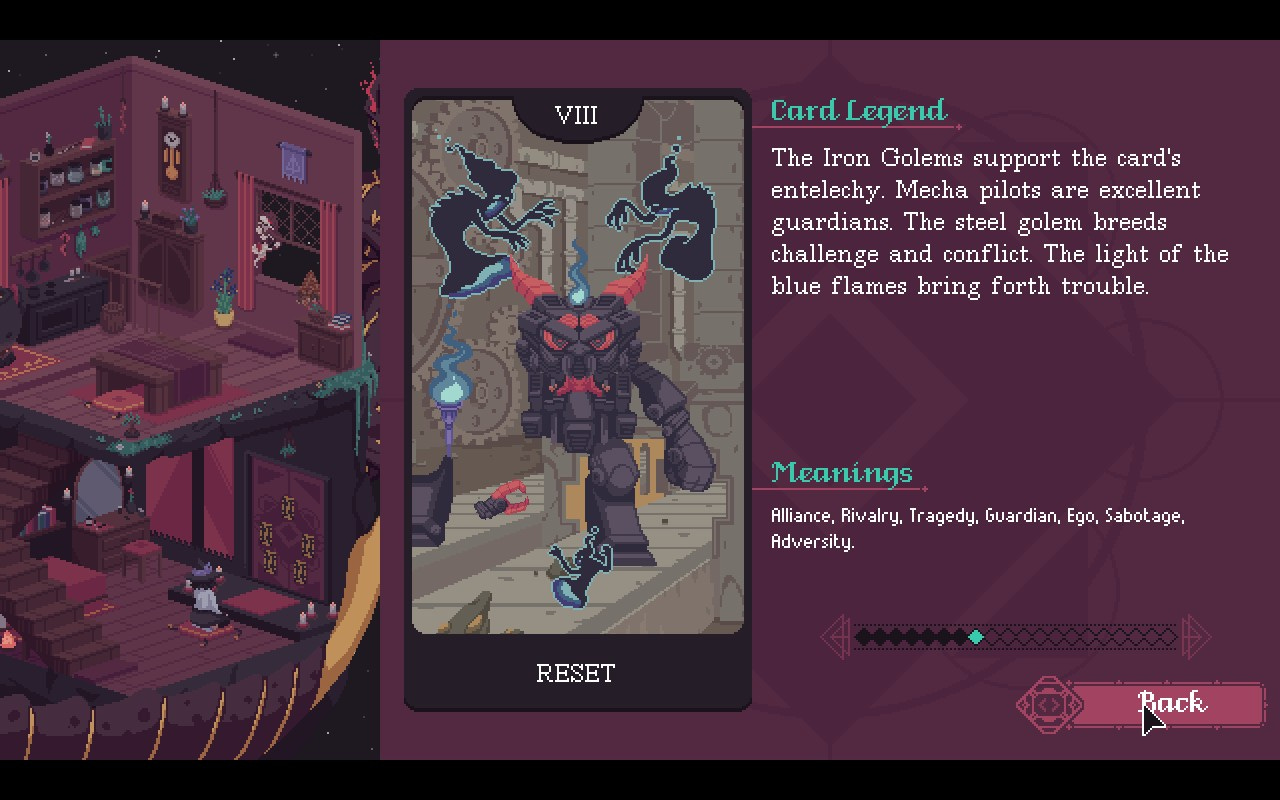
It’s a visual novel where your branching choices are determined by tarot readings, with cards you create. You do not need to have any knowledge about tarot going in, but the game winds up teaching you a lot about the spiritual aspects of it and the sometimes-therapeutic ways that people use it.
While it’s a fantastical game with literal divination and readings of the future, it also taps into the often-mundane ways people use tarot today and opened up a fascinating rabbit hole that got me researching tarot history and artwork.
It’s a game that you can finish in a week, with characters and writing full of heart and love, and a cozy vibe that lives up to that adjective’s overuse.
The Cosmic Wheel Sisterhood is currently available on Switch and Windows PC via Steam and GOG. It ran well on my Steam Deck.
I badly needed this indie horror game
Signalis has been taking up a lot of space in my brain since I first played it in late 2022 and early 2023.
If you somehow haven’t heard of it, Signalis is a survival horror game that takes heavy inspiration from PlayStation 1-era Silent Hill and Resident Evil titles. I’ve mentioned it before when I recommended the upcoming Sorry We’re Closed, and it has made the rounds in horror game circles since it came out in late 2022, but if you’re in the mood for a scary game and you somehow haven’t played Signalis, you should play Signalis.
On top of being scary, it’s also a very heavy game, dealing with themes of fascism, isolation, lost identity, and grief, on top of the usual gore and violence endemic to horror games. If you can’t stomach that kind of thing – or if you just don’t want to get spoiled – I won’t blame you for leaving the newsletter here. Next week’s newsletter will be much, much lighter.
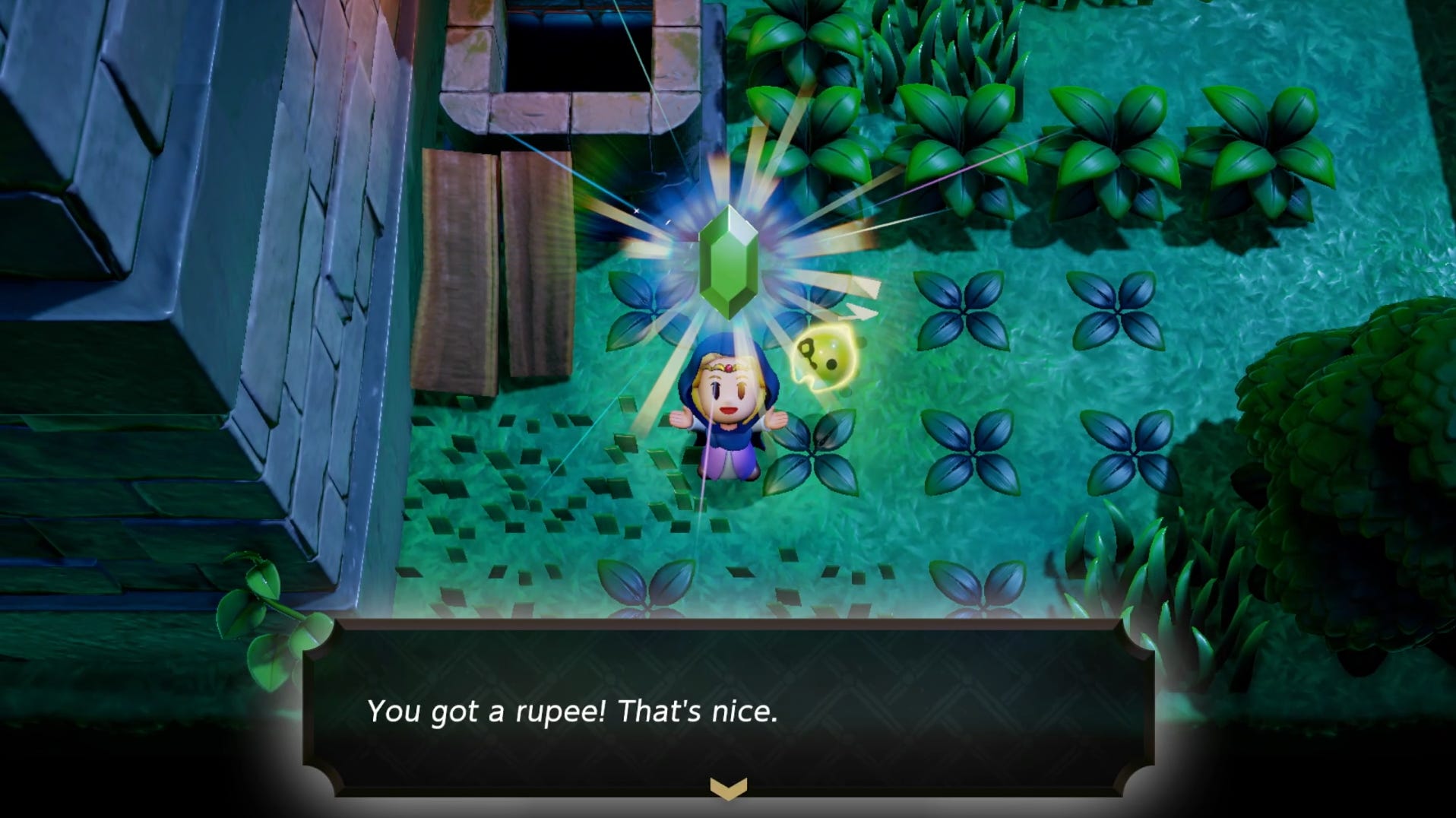
Final warning. After this cute screenshot from the latest Zelda game, I’m going to start digging.
The first trailer for Signalis caught my attention by showcasing the game’s haunting lo-fi aesthetic, bouncing rapidly between dark philosophical ideas and references to classic horror literature, with desperate action littered throughout.
More than anything, it reminded me of the original trailer for Alien. That was a panicked trailer that left so much unsaid, that left the audience to stew uncomfortably in its ambiguity. Signalis’ early press captured that sensation in a way that only a few pieces of horror media successfully convey.
(It didn’t hurt that the Next Fest demo at the time had some killer puzzle design that was unfortunately left out of the official release, but thankfully the official release made up for it with some killer puzzles of its own.)
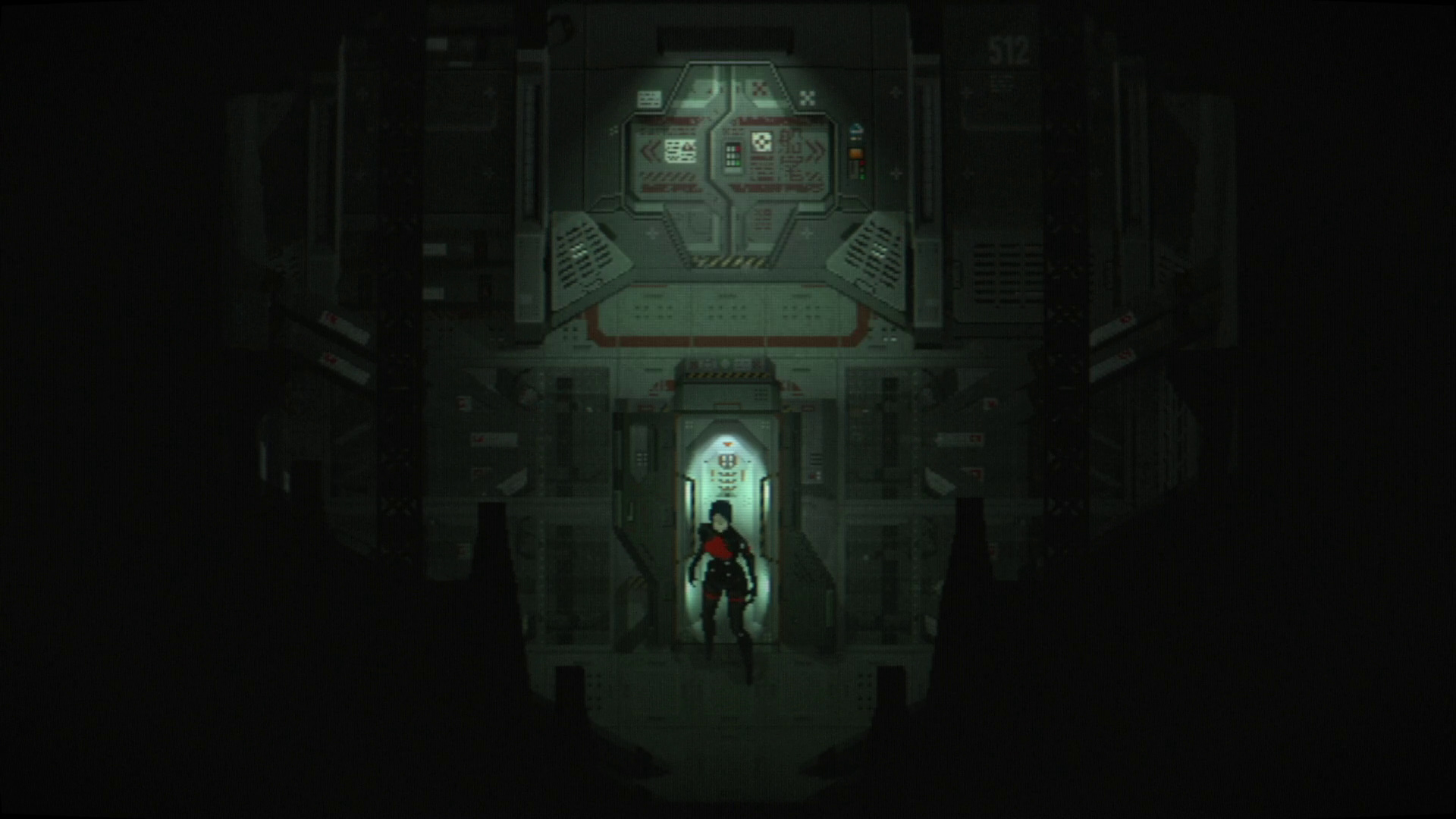
After I got my hands on Signalis and finished it, I spent a long time lying down and staring up at the ceiling, thinking about big ideas; the tragedy of existence in systems that are designed to suppress individuality, the ambition and desperation that drives people to eviscerate themselves, and the cruel meaning of love and dedication in the face of slow erasure.
Part of what makes Signalis special is that it maintains a lot of the trailers’ ambiguity. The level architecture bends and shifts in unrealistic and baffling ways. The disease afflicting the colony is barely explained. The game is chest-deep in symbolism, and a solid 60% of the game’s narrative is subtextual and going to be read differently by everyone who plays it.
I admire that. You have to put some level of yourself into reading the text of Signalis. It gives you what you put in. And in the throes of late 2022 and early 2023, I was in a position to emotionally put a lot into Signalis.
At that time, my home city was being buffeted by record snowfall and normal low daylight, and I was dealing with a death in the family. Signalis was willing to wrap its shadowy, gut-wrenching tendrils around me and reassure me that it was okay to feel overwhelming melancholy and numbness and grief. I think a part of me badly needed that.
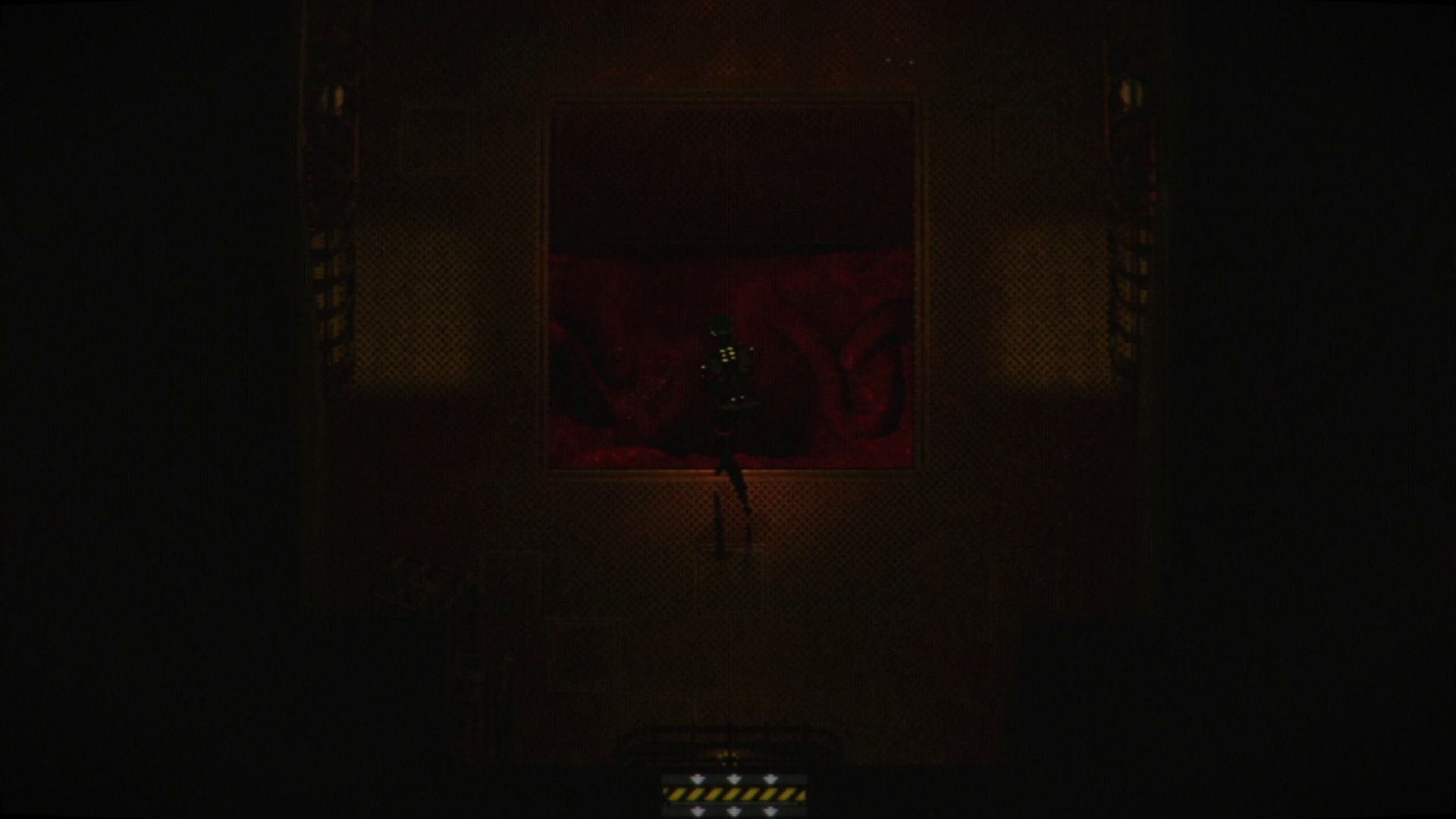
Signalis is beautiful. It’s ugly and heartbreaking and confusing and loud and it knows that its cries of pain and anguish mean nothing in the cold, vast, uncaring, monstrous vacuum of the universe, and god damn, it’s still a beautiful video game. It is beautiful in its level design, in its artistic direction and in its writing.
It uses its horror to convey desperation, that somewhere in this meaty pit of unknowable darkness must be some inkling of the love that makes the human condition worth it.
The games that Signalis hearkens back to were, to be honest, very goofy. The first three Resident Evil games were campy in ways that even the modern games (smartly) lean into. And I love them for it. I would have been crestfallen if the Resident Evil 4 remake did away with the bingo line.
But Signalis discards much of that camp. It maintains the deliberate, tightly directed design, with a snarled ant farm of a map, but it uses that design to painfully, earnestly express itself.
Its imagery is provocative and striking in a way that hard diegetic explanations would get in the way of.
There’s an emotional rawness to Signalis that many other horror games either don’t bother touching, or spectacularly fail to. It’s almost not so much a story so much as it is a primal scream of someone drowning in their own pain.
And when I played it, I was in exactly the right headspace to scream along with it.
A Ghoulish Wishlist Recommendation
Like with Signalis, I played Sukeban Games’ VA-11 Hall-A: Cyberpunk Bartender Action at the ideal time in my life: at age 27, listlessly drifting between jobs as the world sank into an uncertain pandemic-fueled instability. It captured that millennial 20-something ennui with grace, style, and heart. It resonated with me at a difficult point in my life (though, in 2021, whose life wasn’t difficult?).
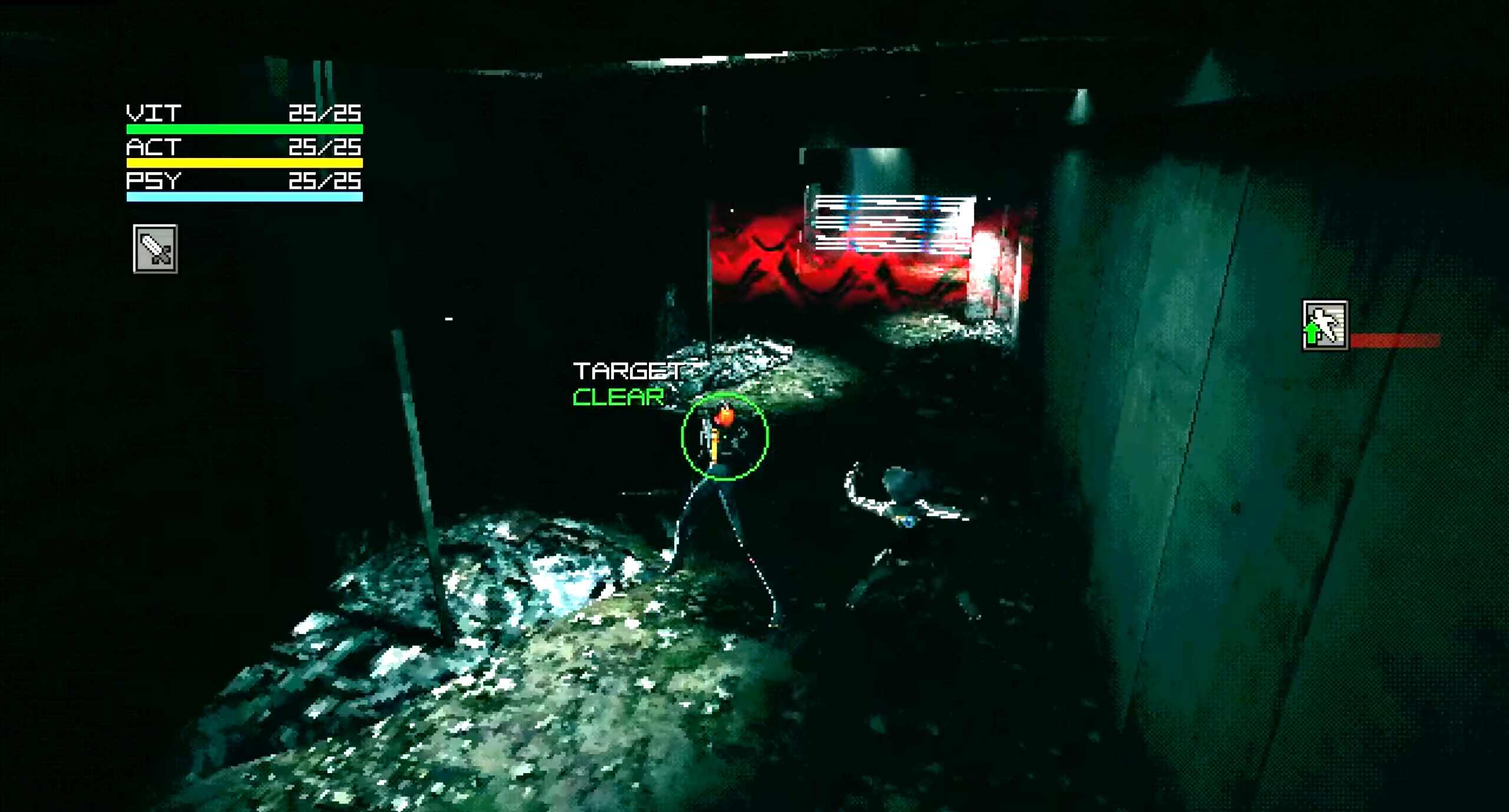
Sukeban’s next game, .45 PARABELLUM BLOODHOUND: Cyberpunk Active Time Action – a mouthful of a title, as is their wont – looks as if it won’t play anything like VA-11 Hall-A. And I think that’s really cool. I love seeing developers seriously step out of their comfort zones to try new things. I wish we encouraged that more in the artists we admire.
(Yes, I know they also have a sequel to VA-11 Hall-A in development hell.)
While VA-11 Hall-A borrowed heavily from Sega CD and Saturn-era visual novels and adventure games like Snatcher, .45 PB takes rather obvious inspiration from the first two Parasite Eve titles on the PlayStation. It is far from the first game to kickstart the 90s-era survival horror revival boom in the indie scene (I was just writing about Signalis, after all), but it’s my hope that Sukeban brings their own style and twist to it, as so many horror game developers have successfully done in recent years.
Thanks for reading The SuperDQP Weekly! Subscribe for free to receive new posts and support my work.