
The SuperDQP Weekly - December 8, 2025

GraaAAAAAH! After spending a couple months crunching on writing Alaska Public Media’s Dracula, and another month dealing with unexpected health issues, it’s time for me to write some more newsletters. I’ve got a Great Backlog Offensive to finish and I’ve only got four Mondays, counting today, to cover the remaining three games. No time like the present to catch up.
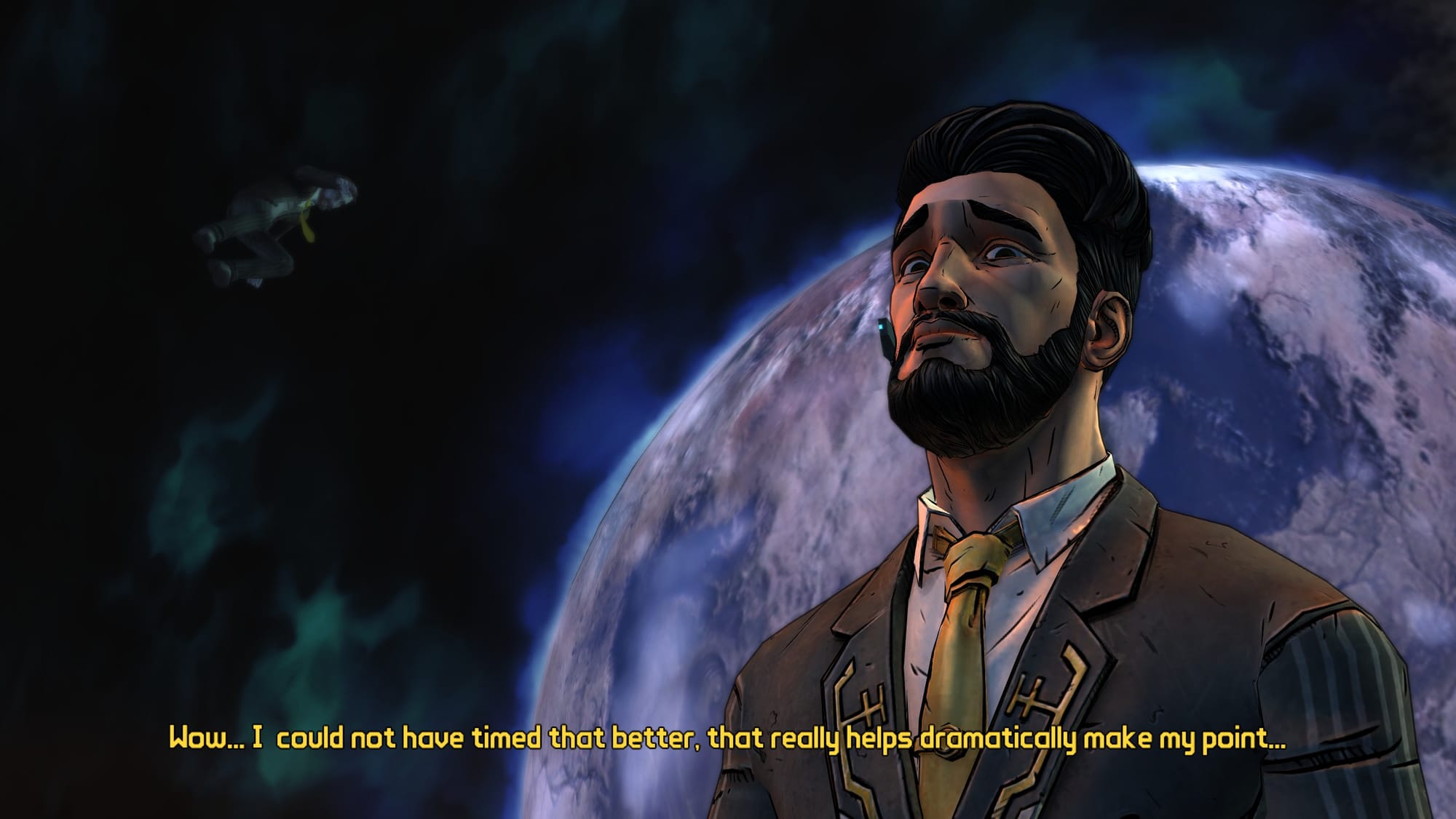
Telltale’s best game (?)
This newsletter is a part of my Great Backlog Offensive miniseries. In 2015 and 2020, these were videos for my now-defunct YouTube channel meant to look at classic games from a modern lens. I am reviving it this year with five more old-to-old-ish games. The first entry, on the indie FPS DUSK, can be found here. The second entry, on Half-Life: Alyx, can be found here.
I knew early on that I wanted to cross off an old point-and-click adventure game for this offensive, but after finishing The Secret of Monkey Island for the first time a couple years ago, I came away with the feeling that maybe these games aren’t really for me.
I adore adventure games made after Telltale’s first season of The Walking Dead, ever since they’ve taken more of a narrative focus, but going back to LucasArts-era adventure games like Monkey Island, Grim Fandango, or Zac McKracken is always a challenge due to their obtuse moon logic puzzles. I can’t ever seem to beat them without looking up a guide and groaning at the pun that the developers were clearly expecting me to come up with on my own.
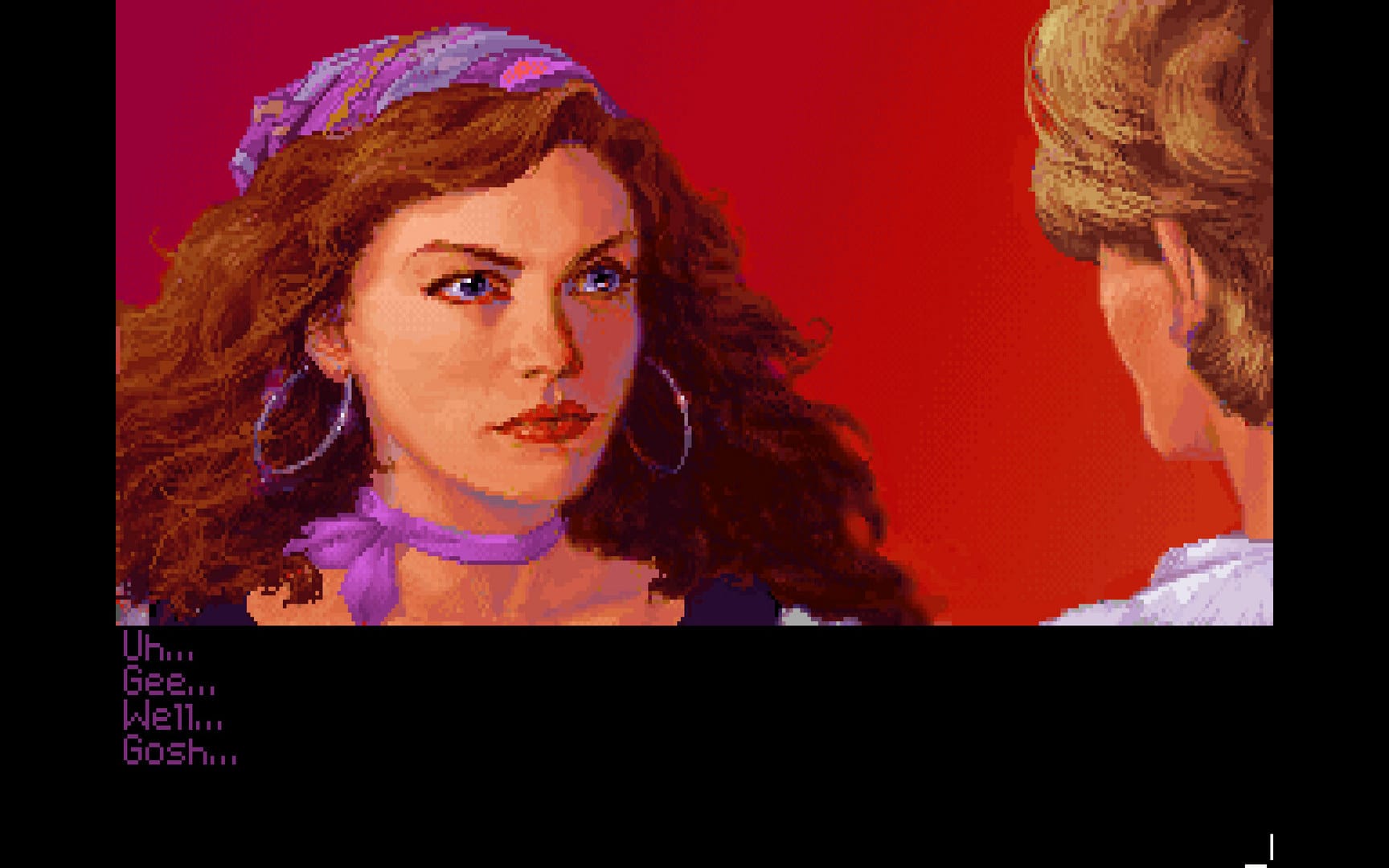
And LucasArts were forgiving by ‘90s adventure game standards. Lord help me if I wanted to play one of the old King’s Quest games that actively punished you for experimenting with puzzle solutions. Monkey Island at least had the decency to never kill the player.
So I came away from The Secret of Monkey Island unsure of what to write. It’s funny and charming even if a lot of its humor is racistly dated. It reminded me of Muppet Treasure Island more than anything else, but I couldn’t come up with any other interesting points to write about it, so I decided to move on to something else.
Not too long ago, Ian Danskin at Innuendo Studios began creating a tier list of adventure games on Nebula and brought up that, in his opinion, Telltale’s best adventure game was not The Walking Dead or The Wolf Among Us; it was Tales from the Borderlands. And he says this as someone who hasn’t played any other Borderlands game.
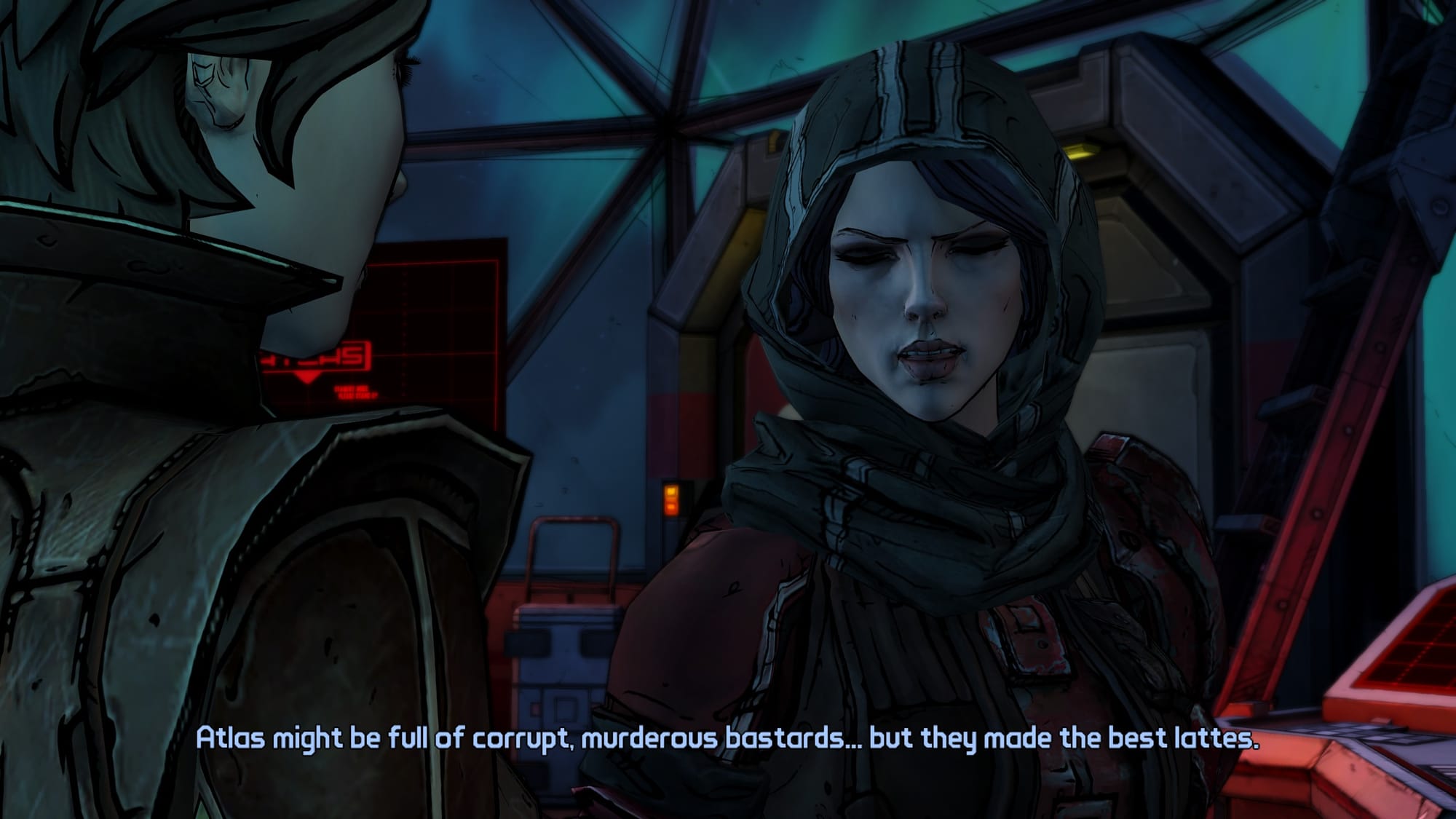
Interesting claim. And Tales was a gaping hole in my experience with Telltale. Sounds like I’ve got an old adventure game to write about again.
I’ve heard this claim before, and even so, I didn’t bother with Tales because Borderlands has never been my thing. I earnestly tried to enjoy Borderlands 2 and Pre-Sequel in their heyday and just couldn’t hack it. I don’t really care for looter shooters, or most other games that revolve around “loot” as a concept, like Diablo or Destiny. I don’t find the idea of finding better and better loot all that thrilling.
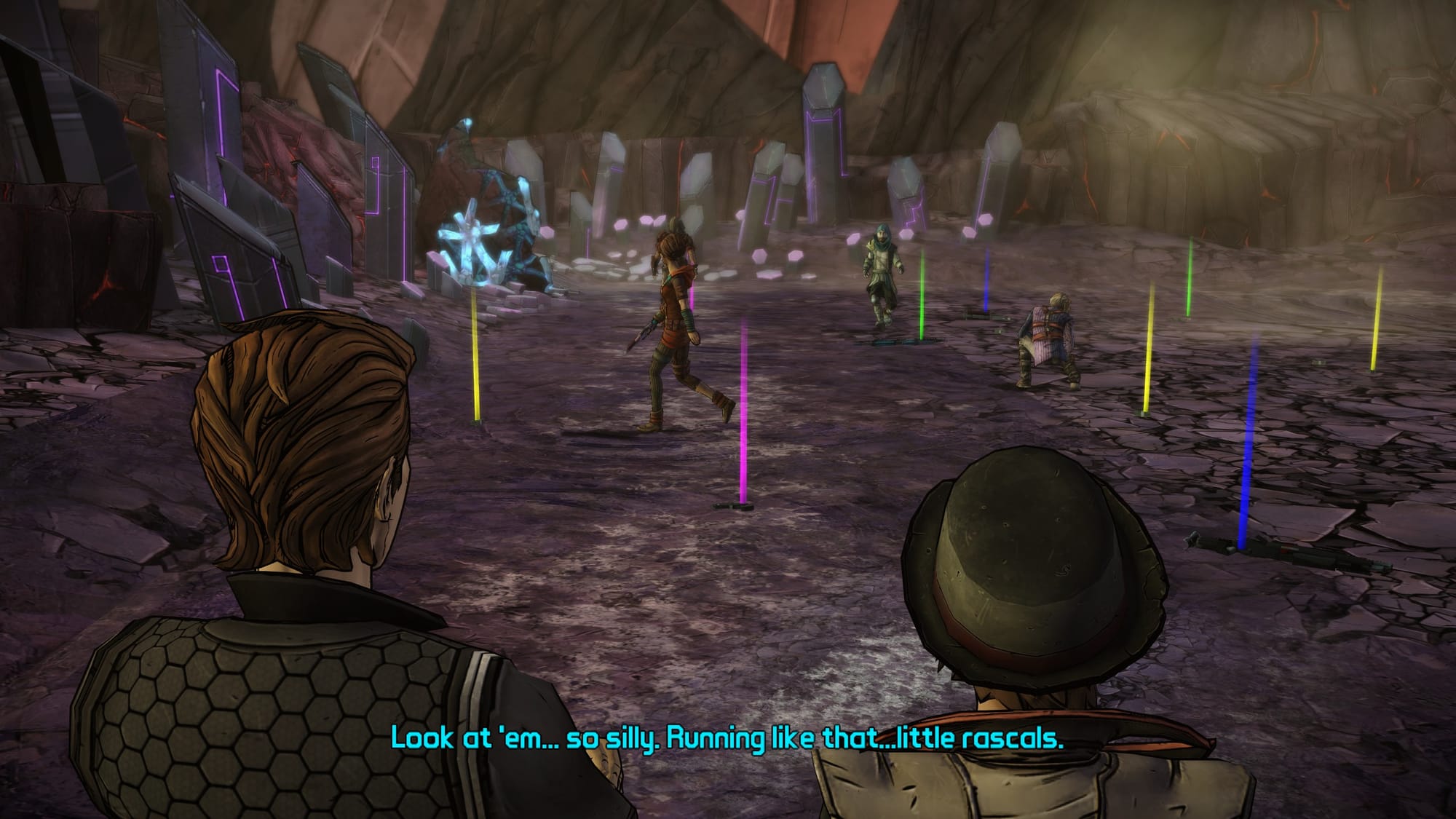
On top of that, while there were aspects of Borderlands’ humor that I liked when I was 19, nowadays I have a lot less patience for it. It often strikes me as crass for its own sake. I can only hear a crazy person scream the words “meat bicycle” or “butt stallion” at me so many times before I’ve just had enough; not to mention that I really despised the ever-present series-mascot-at-the-time Claptrap.
I went into Tales with those trepidations front of mind, and while the first episode opened with some of that cringe humor, I found those trepidations slowly dissipating as the game went on.
Tales sells Pandora as a planet lost to comically insane bandits more compellingly than the other games on the basis that its player characters are not bounty hunters with mountains of increasingly powerful guns, but rather regular people forced by ambition or poverty into dangerous situations. And while those regular people aren’t immune to Borderlands’ Marvel-esque snark, they’re still written with heart and pathos that caught me off guard.
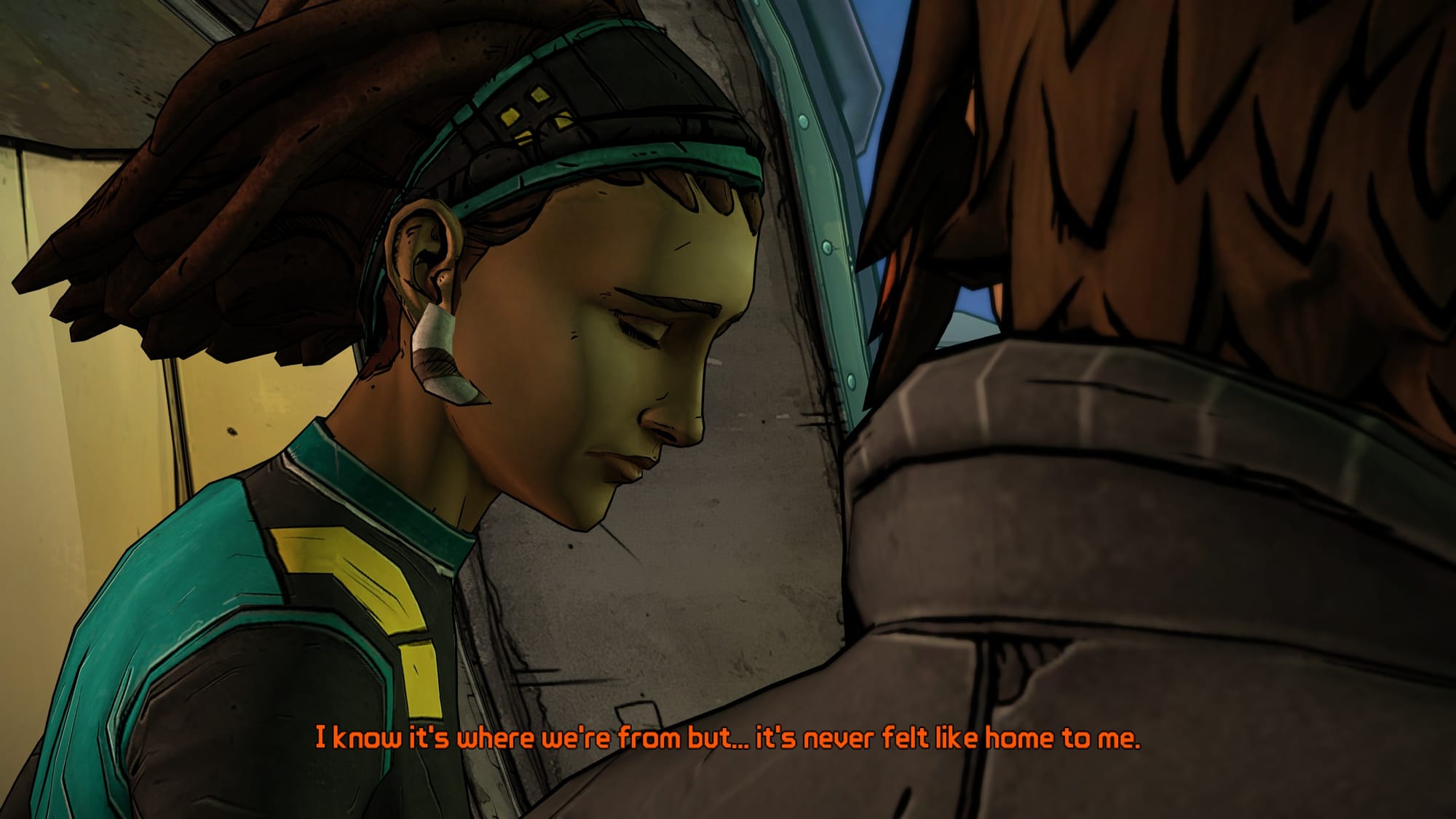
A part of this is Telltale’s formula at work, for better and for worse, but even as Tales feels formulaic, I found myself able to react in ways I usually don’t in narrative choice games thanks to the lawless setting. Rhys and Fiona are both smarmy criminals in their own way that will do anything to get what they want or need, and I found myself choosing dialogue and actions as such. My Lee in The Walking Dead would never stoop to double-crossing random strangers, but hey, in Tales, they had it coming. Or they were just an easy mark.
This makes Tales feel like an authentic space western in ways that other games in the setting can’t manage. It really made me feel like a space outlaw. I know it’s trite to use that kind of sentence in games writing, but it’s true.
So let’s revisit that claim. Is this Telltale’s best work, as Ian Danskin claimed?
In my opinion, ehhh… nah. But it’s close!
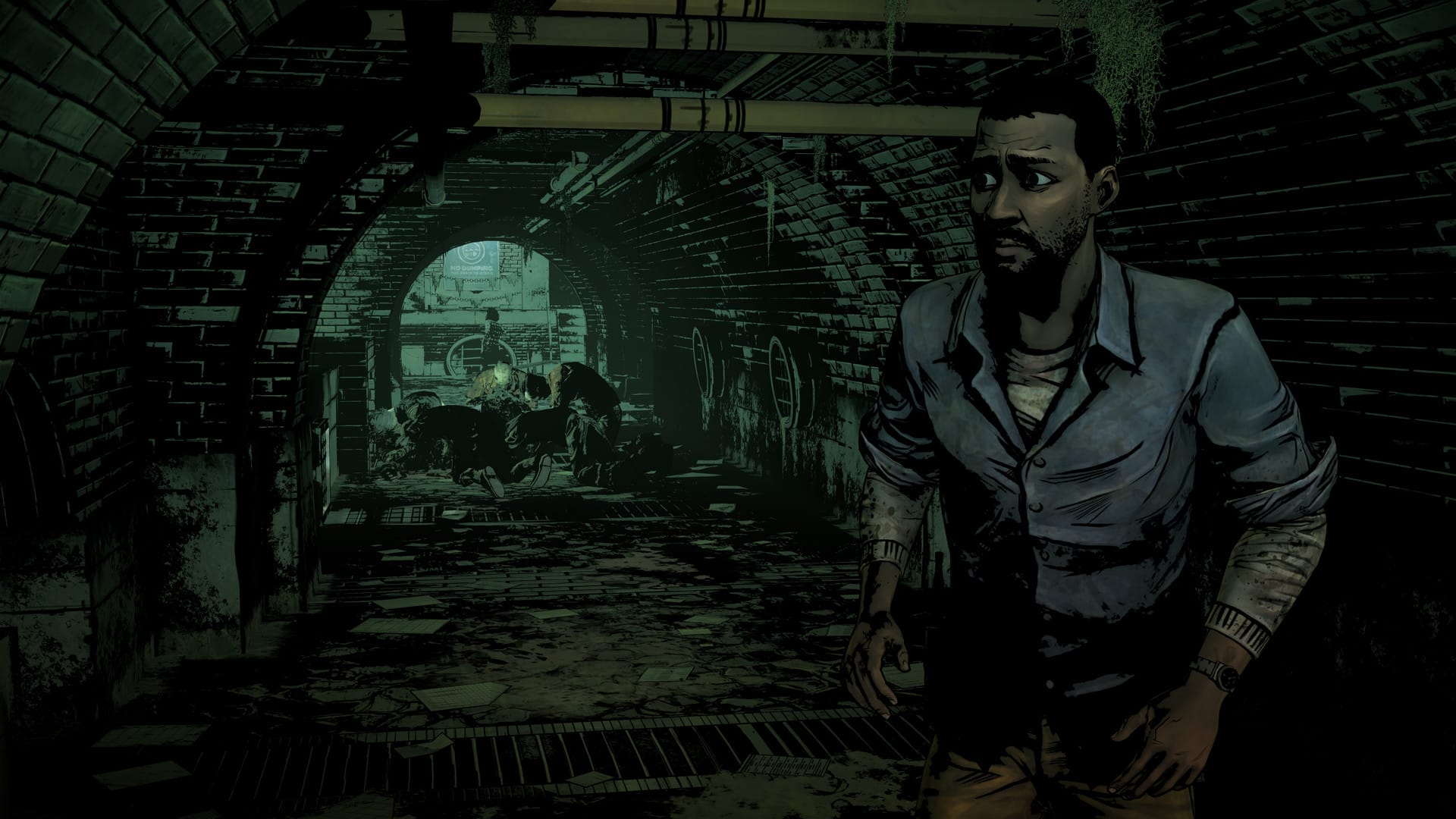
I still revisit the first season of The Walking Dead pretty regularly. It sends a powerful message about finding hope and community in a ruined world, I would argue more effectively than Tales, and if you’ve followed this newsletter for long enough, you know that kind of thing is catnip to me.
But I actually think my favorite of Telltale’s work is their second season of Batman.
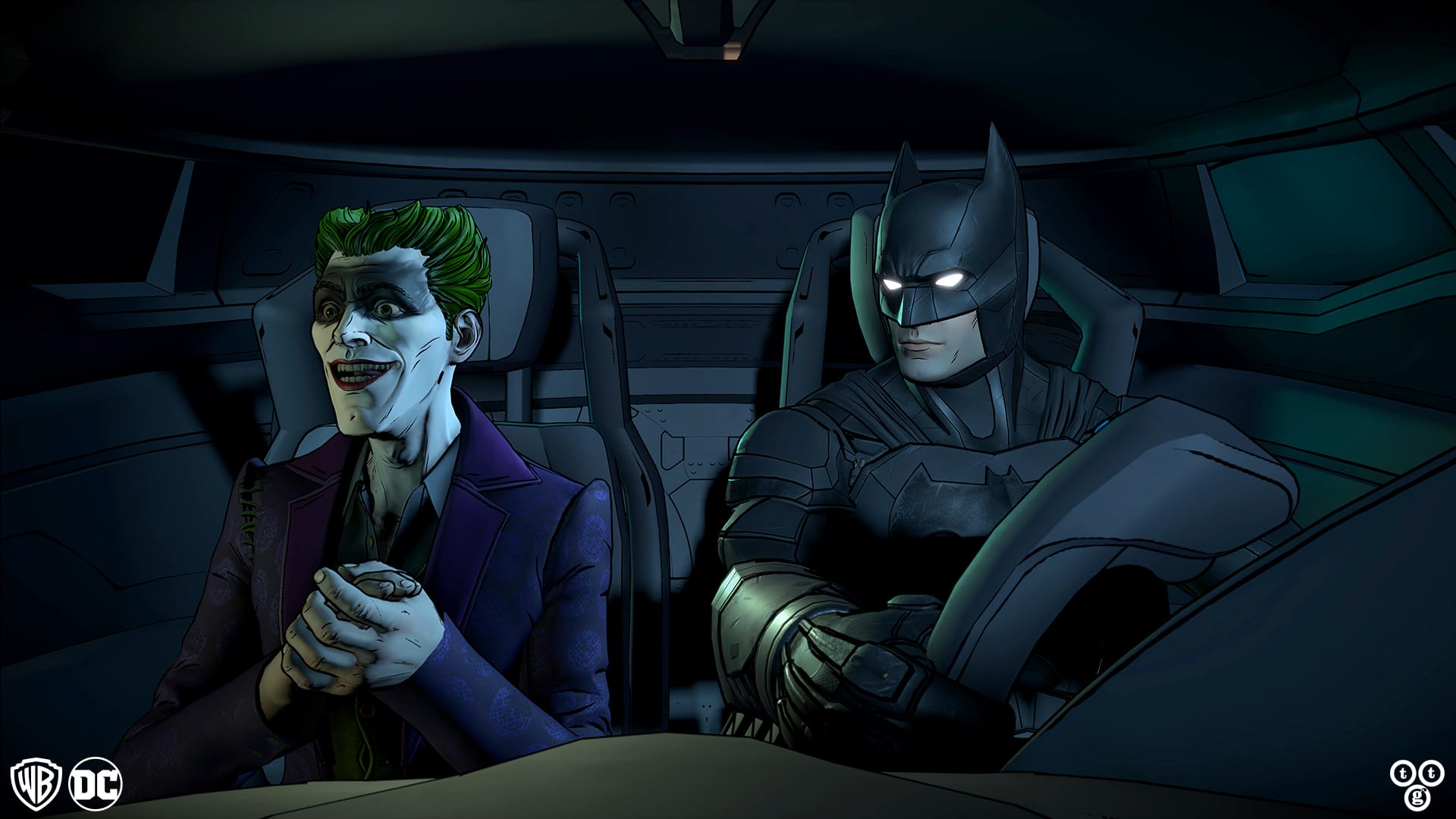
Now, I need to do a lot of work to justify that claim, especially since one would have to slog through its mediocre first season just to get to it, but I think the writing in Batman: The Enemy Within is just that good. Telltale’s Joker is among my favorite of all of them, and considering that’s a list with Heath Ledger and Mark Hamill in it, that is a very impressive feat.
Enemy Within has its share of problems, but it is an incredibly smart Joker story that does more for the character than Todd Phillips ever could.
But as with any postmortem on Telltale’s work, be it Tales, Batman, or Walking Dead, it does have to end with the same sad reflection that all of this was a product of mismanagement and crunch.
For every Tales, there’s a Minecraft Story Mode or Game of Thrones that resulted from a product assembly line that made the people within Telltale absolutely miserable. All of these games sucked to make and only a few of them were worth the misery, if one could even say any game is worth that kind of misery, which even in the best case, they are not.
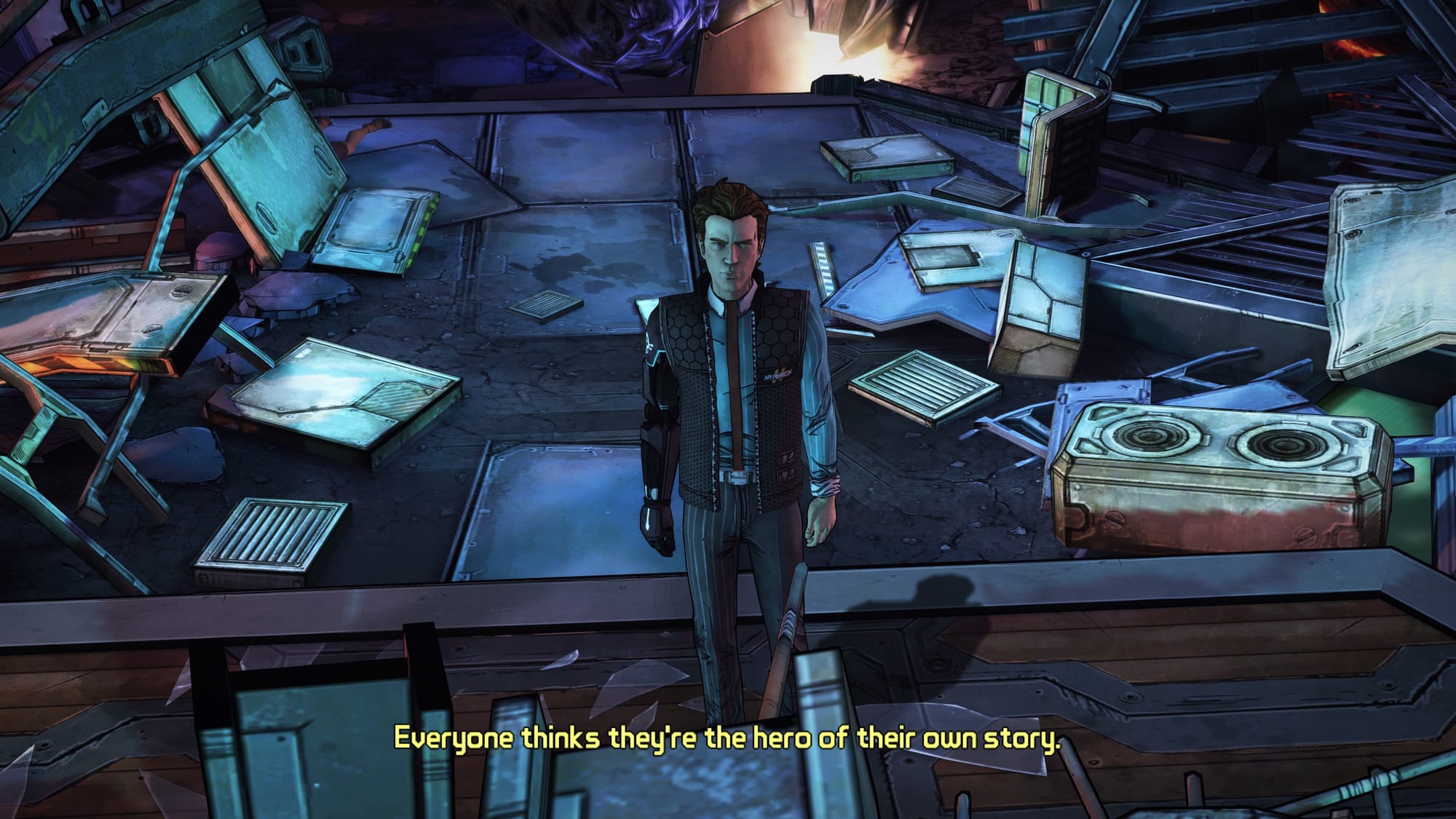
Tales from the Borderlands is a tall tree in a dense forest with an impressive amount of other tall trees, but that forest was rotten and dying years ago. Telltale collapsed because of gross mismanagement on a level beyond most other big studios, which is saying something, especially these days.
Crunch is far from the biggest problem with the video game industry right now – generative AI, unsustainable layoffs, and the government of Saudi Arabia loom uncomfortably large right now – but it is still a systemic problem, and it would behoove all of us not to lose sight of it.
Game rec! (But maybe don’t expect those on the regular in the future?)
Between Alaska Public Media’s Dracula and the health issues I’ve had recently, I also haven’t had much time for playing video games, let alone writing about them. I’m still chugging through Hollow Knight: Silksong, and have been slowly ever since it came out. Metroid Prime 4: Beyond will likely monopolize my time once my copy escapes from shipping limbo.
I will try to post more obscure game recs here when I can, but don’t count on them being a regular feature like they were before.
That said, have y’all played Metal Garden? Y’all should play Metal Garden.
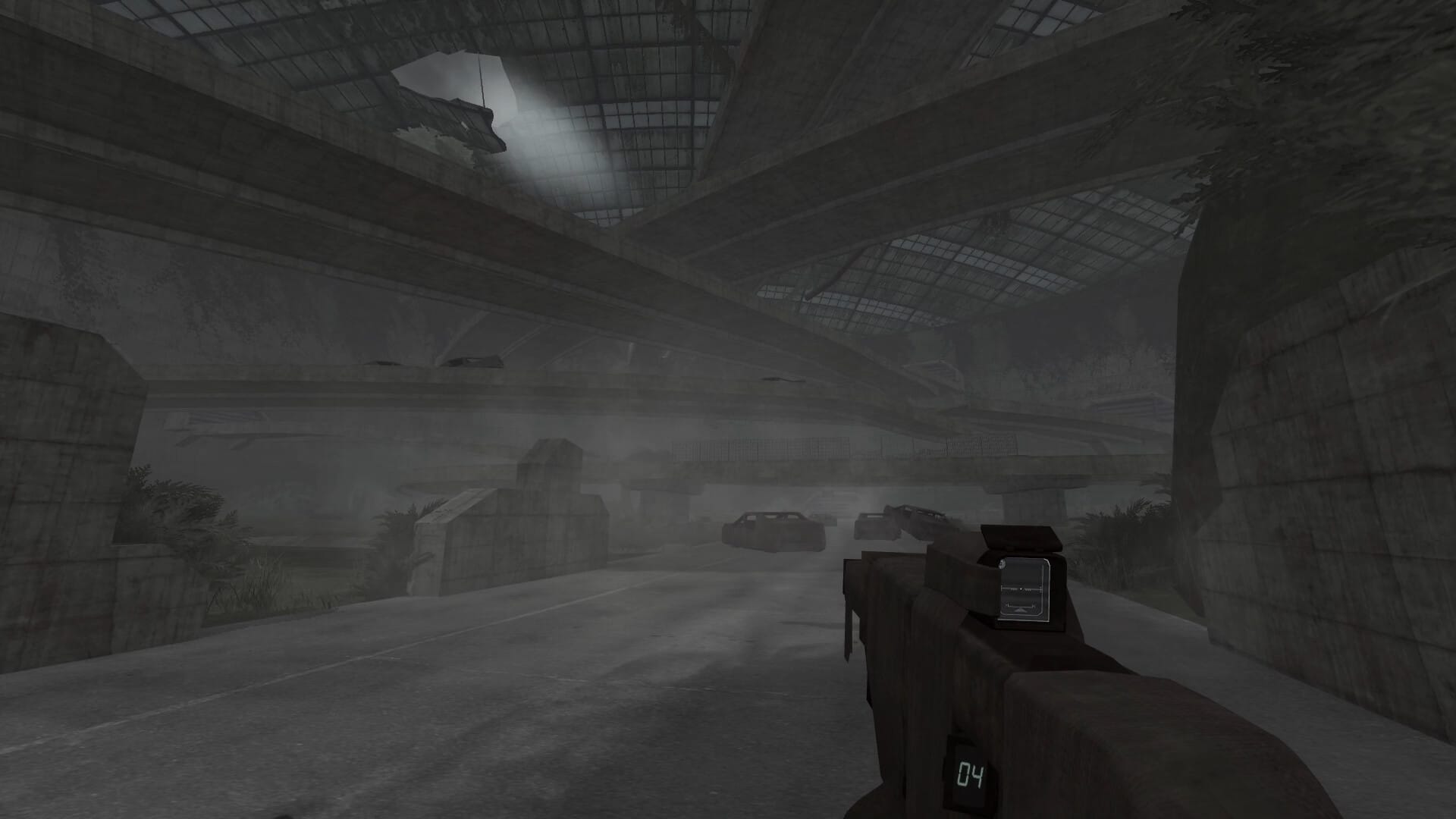
Metal Garden is a very short FPS set in an oppressive megastructure, and its worldbuilding and atmosphere are absolutely transfixing. It’s not very difficult, and it can be beaten in a couple hours, but it might stick with you if you’re the type to just soak it in.
It’s only six bucks. You may as well.
Metal Garden is available on Windows PC via Steam. It is playable on Steam Deck.