
The SuperDQP Weekly - March 17, 2025

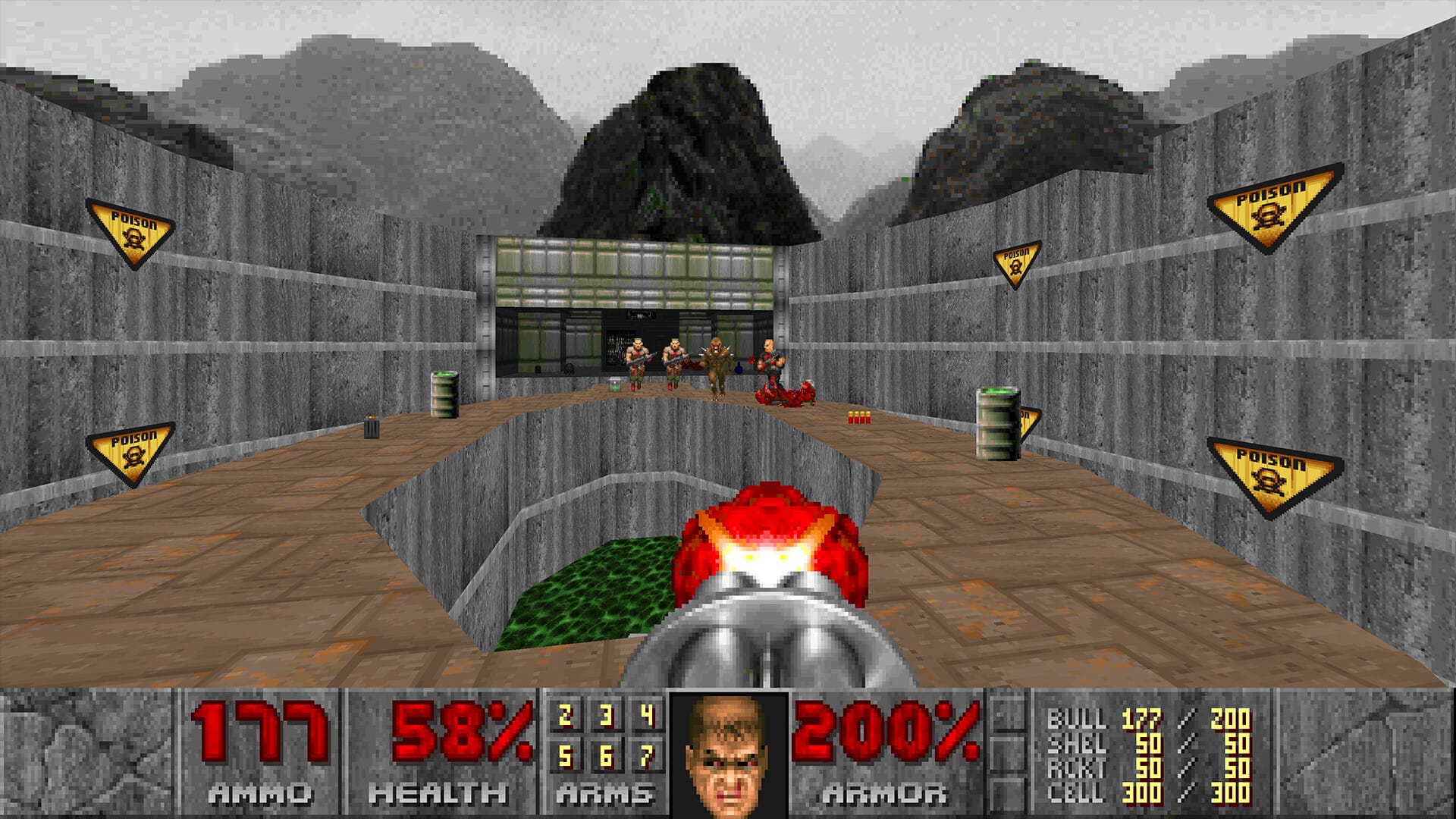
DOOM: The Dark Ages hits in a couple months, and I had a harebrained idea a few months ago. Let’s dive into some WADS, swim through all the demon guts, and see how we feel coming out the other side.
An unexpectedly saccharine game rec
Before we dive into those guts, though, I wanted to recommend a solid, 7/10 action game for those whose palate is a little less gory.
Super Crush KO isn’t the most sophisticated or original character action game, but it has a cute aesthetic that I’m sure a lot of you will find charming, and the gameplay is entertaining enough.
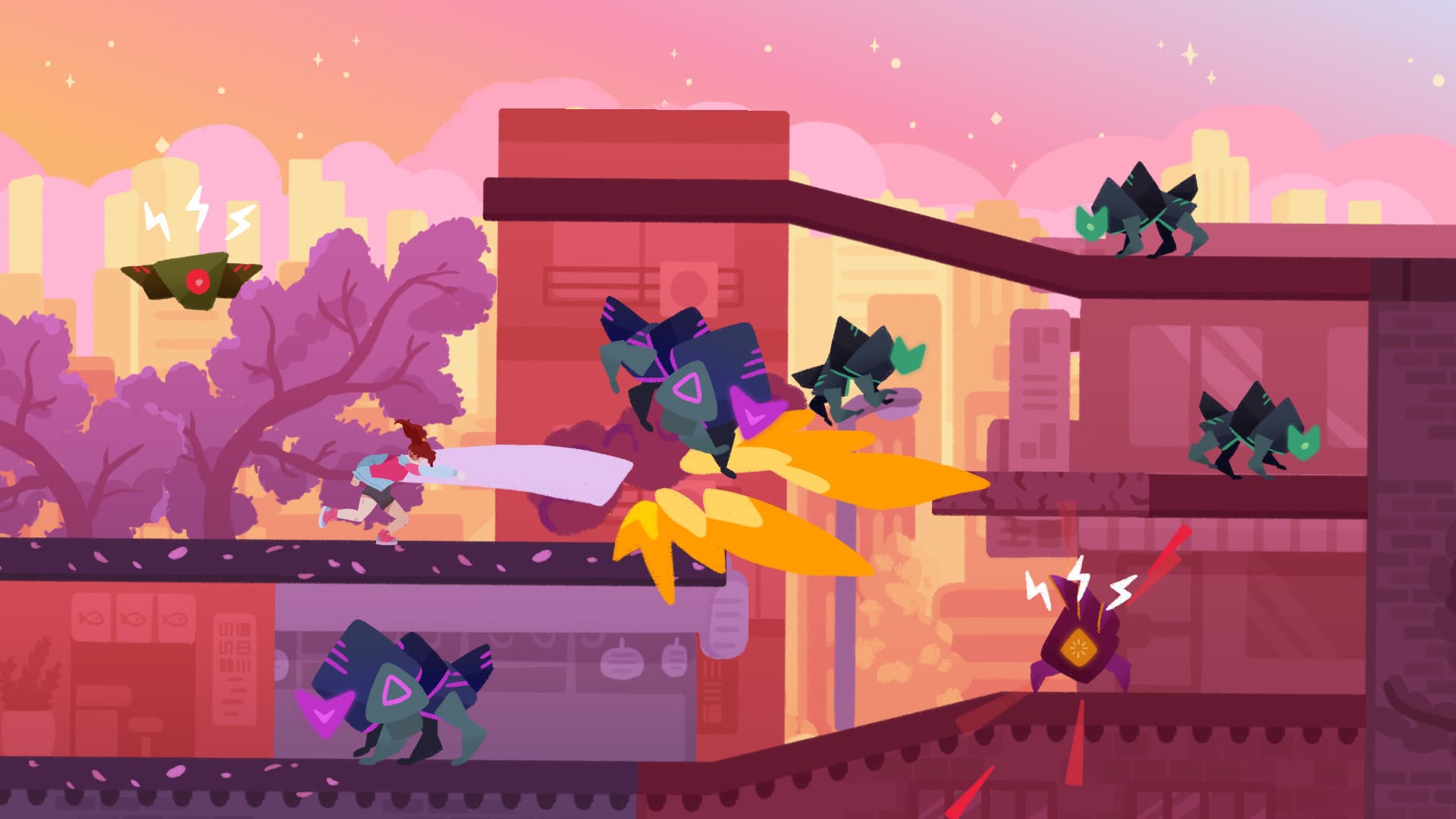
It’s not the deepest or longest game, but sometimes I see the merit of a game that coasts by on impeccable vibes. Many DOOM WADS (some of which I’ll be talking about in the weeks to come) scrape by on that, after all. So hey, if you need something easy, Super Crush KO is a sweet little treat to snack on in an evening.
And it’s less than four bucks during the current Steam sale. What’s the harm in a little action candy bar?
Super Crush KO is available on Switch and Windows PC via Steam.
DOOOOOOOOOOOOOOM
On August 8, 2024, a new item appeared unbidden in my Steam library.
Nightdive Studios had just dropped a new port of DOOM, compiling the original 1993 title with its direct sequel and a number of officially-sanctioned and promoted campaigns like Final DOOM and John Romero’s recent SIGIL.
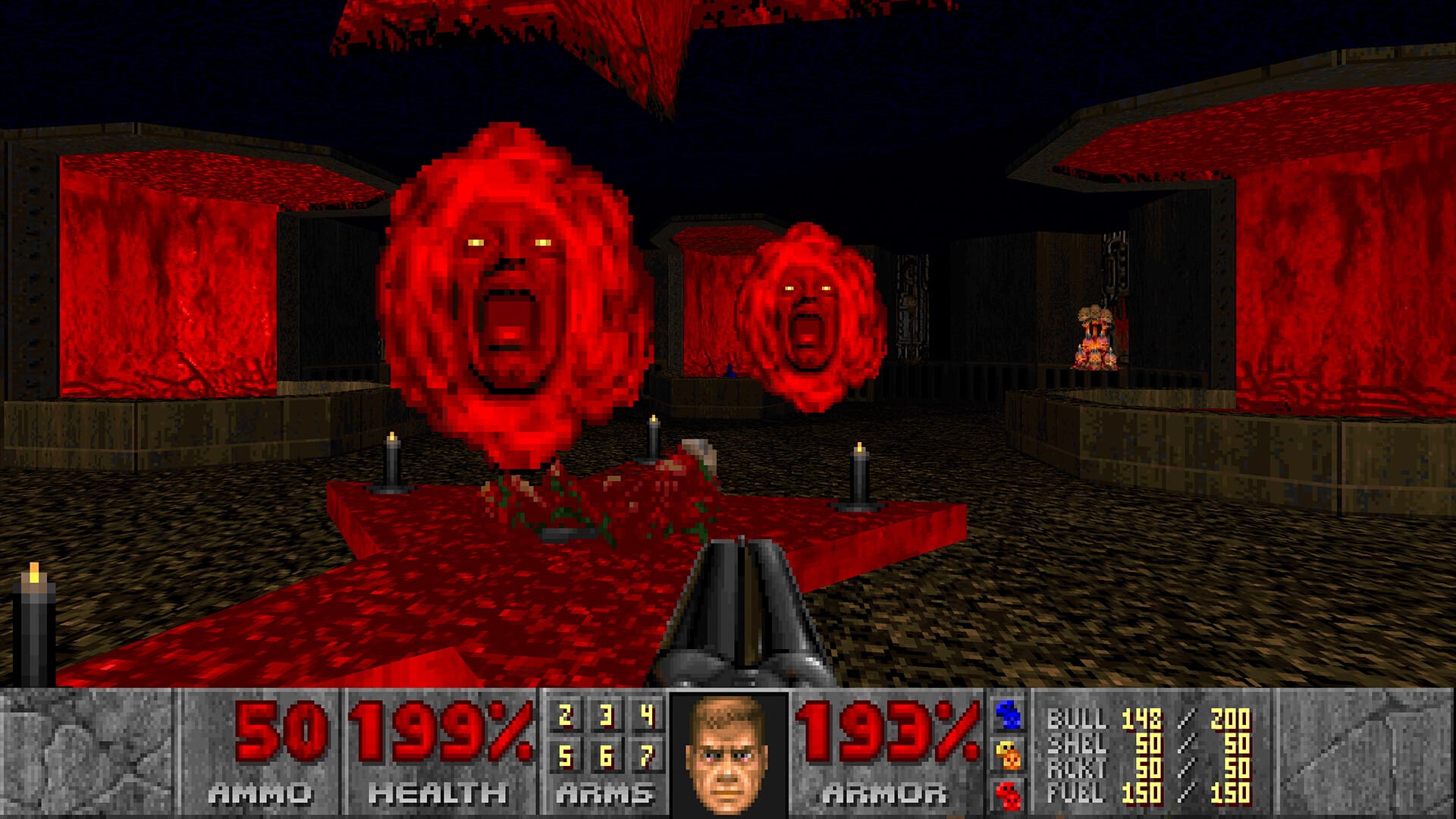
And id Software, in what’s genuinely a cool move, made the new port available for free to everyone who owned a previous port on Steam, myself included.
What wasn’t a cool move was the decision to include a very loose mod manager directly within the port, allowing anyone to publish anyone’s work without their consent, whether it was built for this new port or not. Someone infamously uploaded MyHouse.wad, a postmodern art piece built for the GZDoom fan port, and not only did they not originally create it, the mod wouldn’t even run in the new port.
The new release was rife with stories like this, and I wouldn’t be the first one to bemoan the lackadaisical approach to fan content creation, allowing plagiarism of fan works. DOOM has a storied history of fan content and modding, which makes this mod browser feel like a slap in the face, especially after publisher Bethesda’s previous efforts to curate and exploit mods for money and clout.
And this stings, because Nightdive is known for excellent modern ports of older, often forgotten shooters like Rise of the Triad or Powerslave, and the new port plays well and comprehensively includes most pre-DOOM 3 franchise content, barring DOOM 64 (itself ported by Nightdive separately back in 2020). If one wanted to, say, play every single DOOM game built in the original DOOM dev kit, this would be a solid way to do it.
So that’s exactly what I’m doing.
Since a new DOOM game is coming out in May – a prequel to the excellent reboot series – I figured, what the hell, I’ll play everything in this collection. And DOOM 64, since while it's not initially developed by id Software, it still hews to the mold of the original titles very closely.
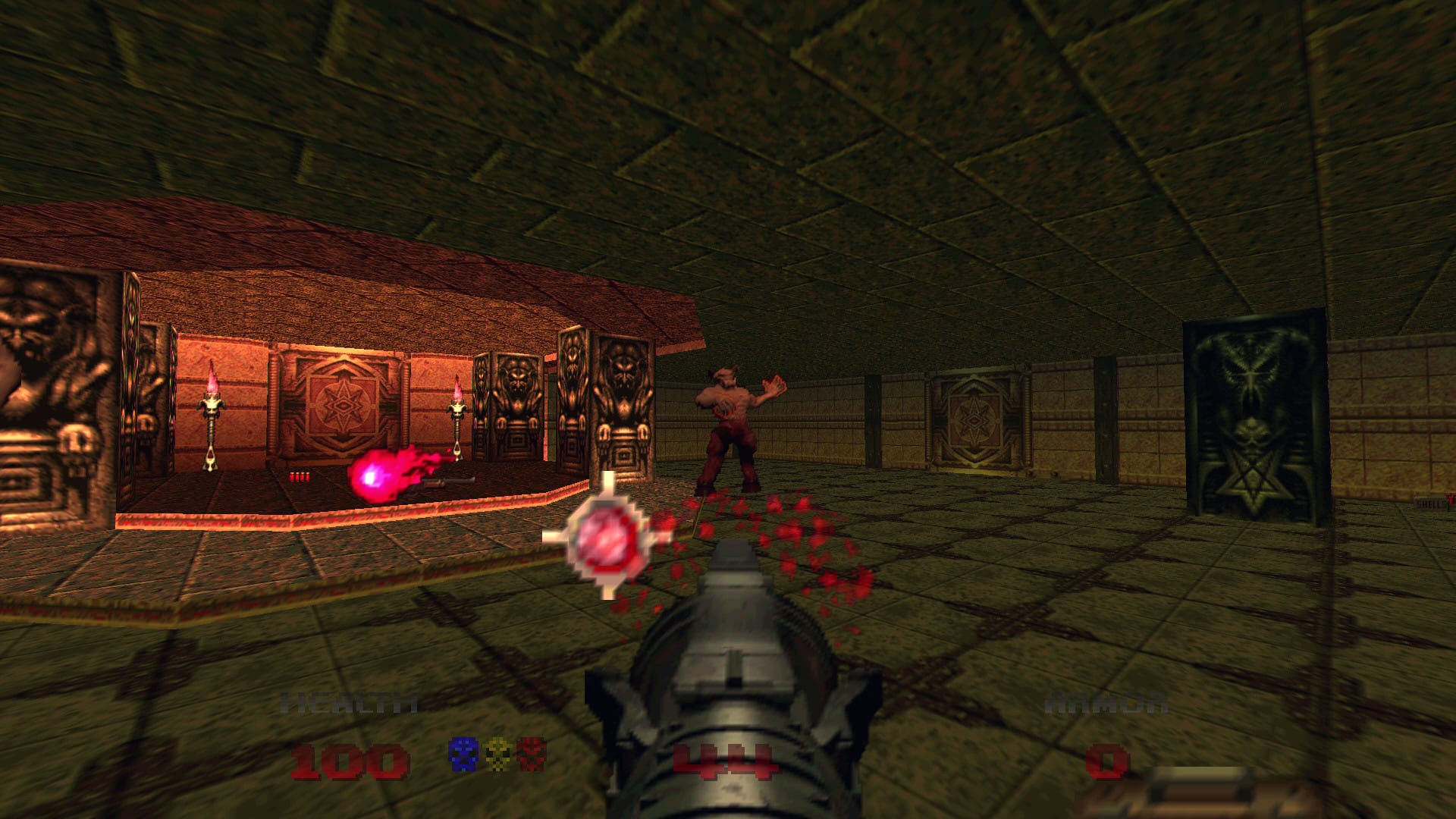
For the next seven weeks, I’ll be writing a newsletter touching on my feelings on each of these WADs. For those keeping score at home, those WADs are,
- The Ultimate DOOM
- DOOM II: Hell on Earth
- Master Levels for DOOM II and Final DOOM (I’m opting to combine these two in one essay)
- DOOM 64
- No Rest for the Living
- SIGIL and SIGIL II
- and, as introduced in this new port, Legacy of Rust
And I’ll round it out with a couple newsletters reminiscing on DOOM 2016 and DOOM Eternal, for good measure.
I will start this week with The Ultimate DOOM.
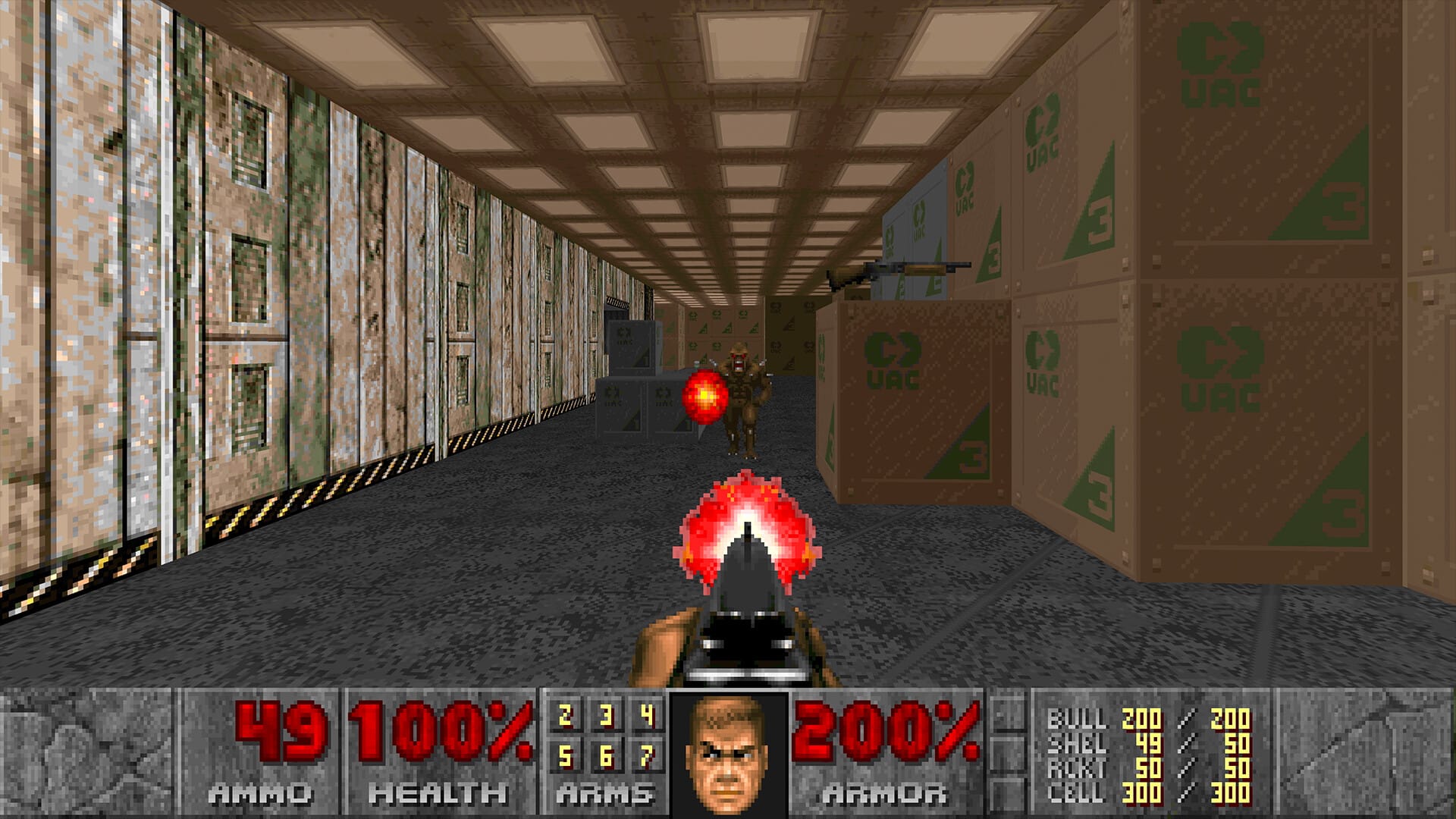
There’s not a lot to say about the original DOOM that hasn’t already been said. The game’s development has been extensively documented, the development tools were made readily available quickly after release, and the game has been analyzed and picked apart for decades.
I had played DOOM and its sequel before (the remaining WADs are new to me) so returning to it wasn’t very jarring. I think that, among many newer FPS players, there’s an expectation that it’s archaic to return to, but I don’t think that’s the case. Ports have offered conveniences like mouse aim and modern compatibility for a while now, and it’s a remarkably well-designed video game even today.
There’s a playful timelessness to its design. The original’s levels are laid out to subtly introduce new players to its proclivities and its tone. People talk about DOOM’s levels in the same way they talk about the opening moments of Super Mario Bros. or Metroid; teaching players indirectly by psychologically funneling them into the decisions they’ll have to make more deliberately as the game goes on.
The game’s first three episodes are still a delight to play through. By the standards of the rest of the games I’ll be writing about in the coming weeks, they’re quite easy, but it’s still magical to see the level designers at work through the hallways and monsters that they lay out.
(And the fourth episode, released after DOOM II, is obscenely difficult in a way that makes it feel out of place, but it's still a deliciously crunchy challenge. I say this with love: John Romero and American McGee's work in the fourth episode is disgusting and I love it.)
I have, in a past newsletter, referenced David Kushner’s Masters of Doom, and how it painted a picture of id Software being a frat house that was ultimately, I think, destined to fall apart due to over-ambition and sheer toxic masculinity. And it's a common gamer legend that this environment fostered the necessary creative energy to make this foundational game happen. John Romero’s level design wouldn’t be possible without his enthusiasm for games like Super Mario Bros. 3 or Asteroids. Adrian Carmack’s macabre designs wouldn’t be possible without the team’s love for thrash metal and schlocky 80s and 90s action movies like Evil Dead 2, Terminator 2, or Aliens. There was a synergy here that would prove impossible to maintain as the team rose to stardom.
Alas, John Romero’s manic ideas, combined with his self-prescribed rockstar persona and predilection for slacking on the job, would eventually lead him to splinter from the team and eventually fade into relative obscurity, only returning in recent years to develop new mods, release more humble independent games, and – bless him – advocate for trans and indigenous rights.
Better that than John Carmack, who would stick with id for over a decade before moving on to Meta and eventually his own AI company. Yikes.
There was something beautiful, but unsustainable, about id’s 90s run. They had become a shadow of their former selves as quickly as, debatably, Quake II, less than five years after the original DOOM. (That’s me. I’m debating that. But not here.)
But they definitely had something. The Ultimate DOOM and, to a lesser extent, DOOM II (again, I’m debating that, but not here) are proof of that. id’s downfall was, in my opinion, inevitable. The personalities at play were just too vulnerable to fame and ambition; especially Romero’s. But DOOM, and its sequels and expansions, cast a long shadow. And we’re going to spend a long time in that shadow.
I mean that both figuratively (video games will feel DOOM’s influence for decades more) and literally (I will be writing about this long shadow for the next nine weeks). So buckle up. You’re stuck in Hell with me, and the only way out is through.
Wishlist rec time
I assume that, if you’ve read this far, you’re probably into moody first-person games. That’s part of the reason why the first Quake is actually my favorite of id’s 90s portfolio. (Once more, to sate the rule of threes, I’m debating that. But not here.)
REPOSE plays nothing like DOOM. But it still manages to capture something raw, dark, and utterly absorbing.
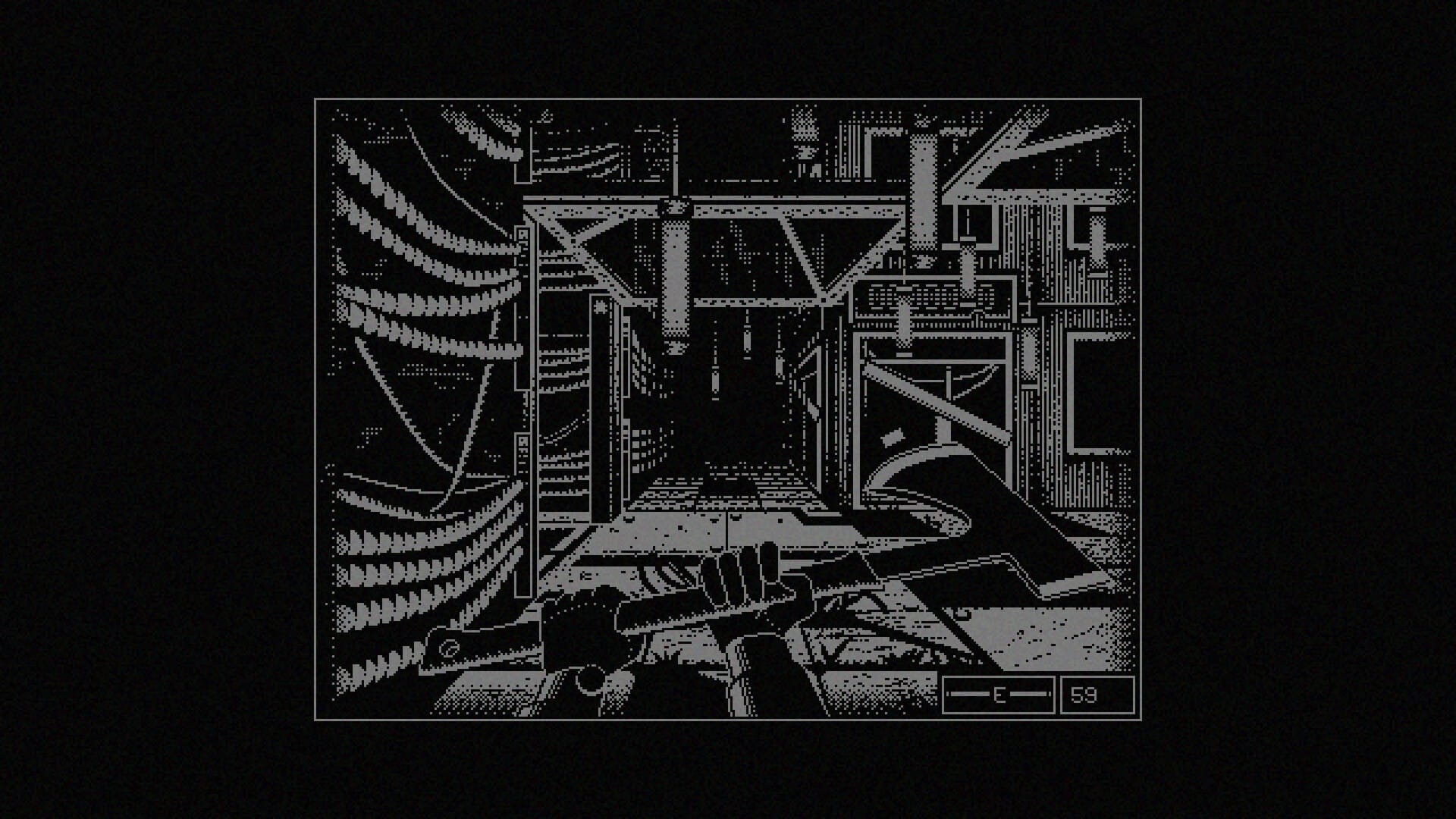
REPOSE uses the language of old dungeon-crawlers like Eye of the Beholder or SuperDQP game rec alum Cryptmaster to explore a dreamlike, gorgeously-animated hellscape. Its design is deliberately archaic, with manual 90 degree turns and a password-based save system straight out of the NES era. But that only makes the game more mesmerizing and involving to explore.
I’m not a dungeon crawler person, but REPOSE grabbed me by the throat and let me go just as I yearned for more.
(I probably should have phrased that better).
ANYWAY. REPOSE is slated for release on Windows PC via Steam. A demo is currently available. Release date TBA.