
The SuperDQP Weekly - March 24, 2025

Good news, we’re back on Earth. Bad news, Hell is on Earth. And it’s all John Carmack’s fault.
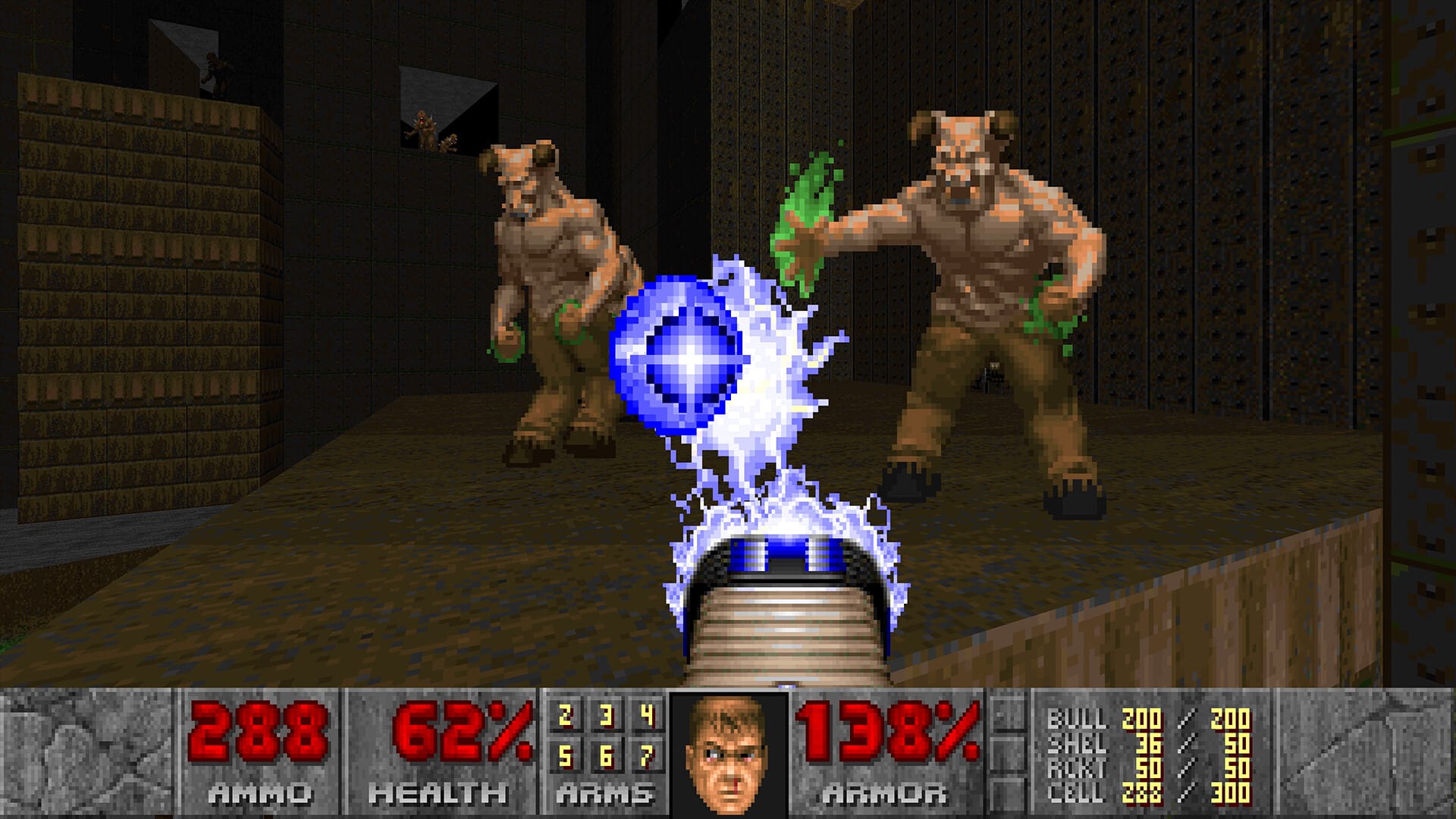
(I’m exaggerating, but you’ve gotta admit, it’s a great opening hook.)
A similarly blasphemous game rec
I’m recommending this week’s game for no other reason that I will be writing a future newsletter about it and I want you, the reader, to be privy to it. It’s also just a really interesting four-hour-long interactive crisis of faith.
It’s not exactly obscure, but if you haven’t played Indika, you’ve gotta play Indika.
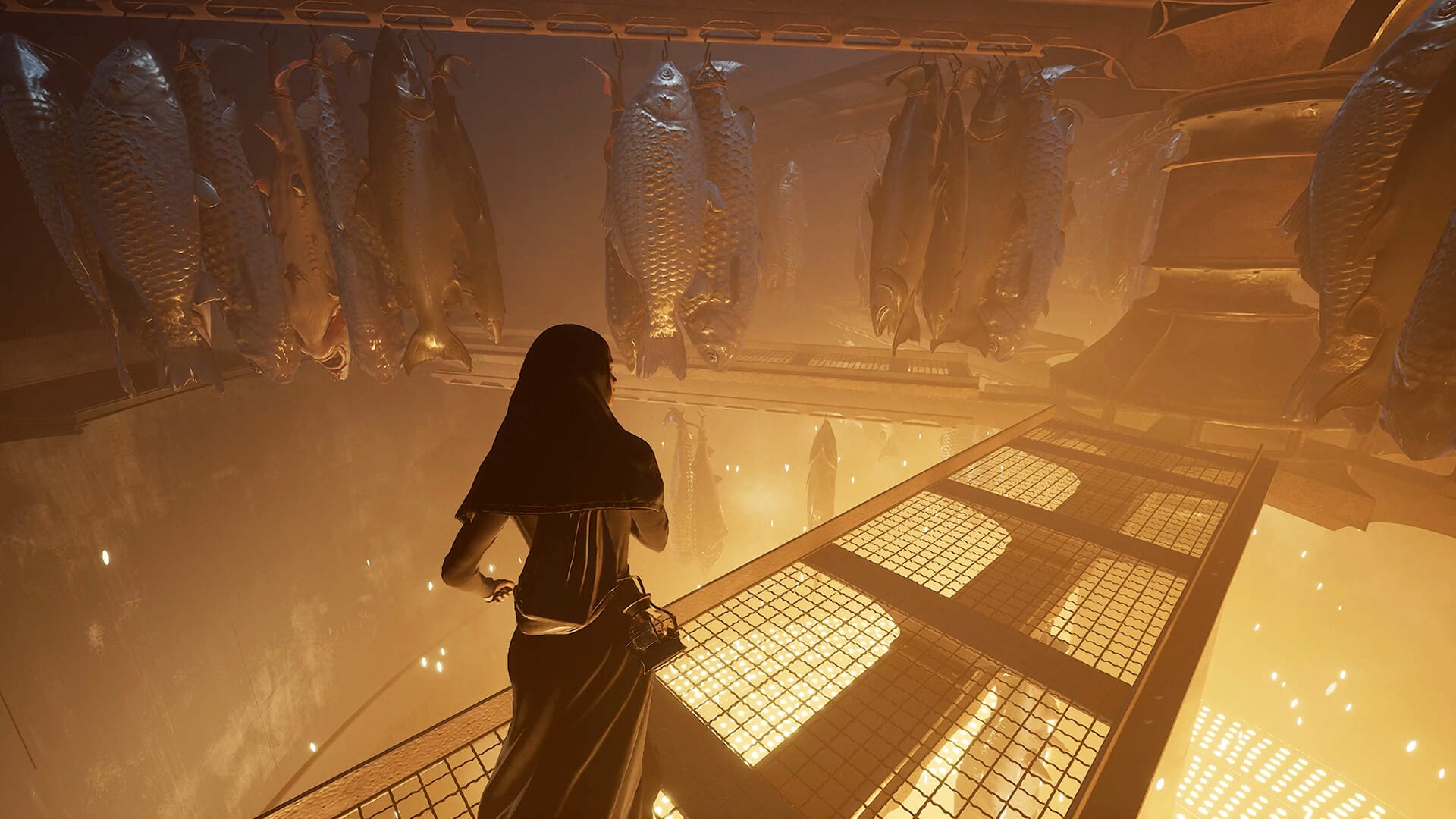
It’s a fascinating beast; like an Ingmar Bergman screenplay was adapted to the screen by Terry Gilliam and further adapted to a video game by Suda51. It explores the religious quandries that surround the injustices of everyday life, but paints them with this dreamlike yet realistic brush where architecture makes no sense and strange machines exist that shouldn’t. Cinematic realism flashes back to nostalgic pixel art as the main character’s existential crisis is gamified and toyed with, taunted and tempted by a Satanic voice that may or may not be her own.
It’s weird. It’s short. It’ll leave you staring at the ceiling for a while. I loved it.
Indika is available on PlayStation, Xbox, and Windows PC via Steam, GOG, and Epic Games Store. The game is Steam Deck verified, but be aware: the system requirements are a bit steep, and you’ll need a lot of free hard drive space.
Like story in a porn movie
Thus spoke John Carmack, legendarily, on id Software’s ethos on video game storytelling. It’s expected to be there, but it’s not that important.
I’ll circle back to this line. It’s central to my thoughts surrounding DOOM II: Hell on Earth.
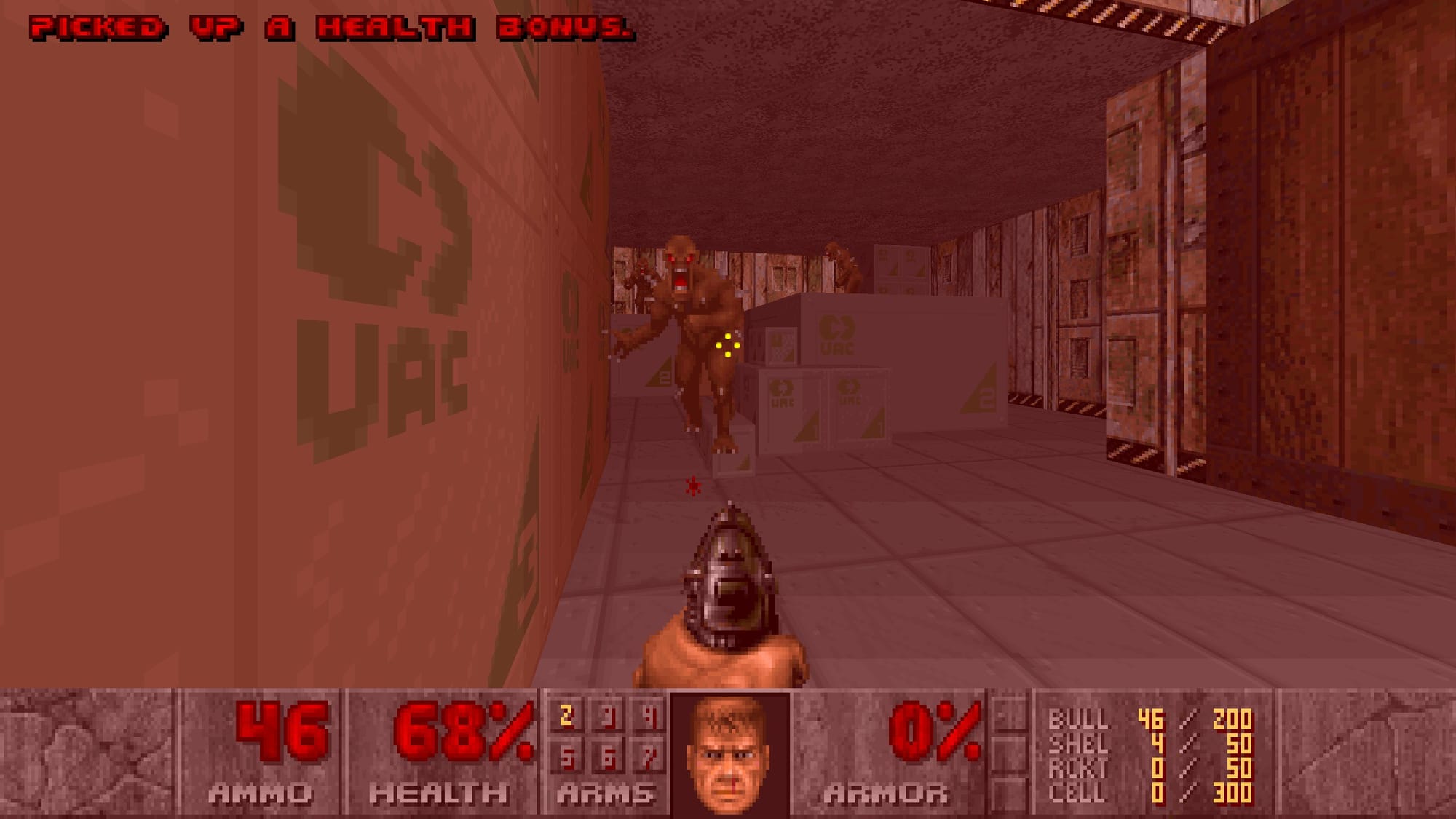
Hello! If you missed last week’s newsletter, I’m playing through every game included in the recent Nightdive-developed DOOM + DOOM II collection. You don’t need to read last week’s newsletter to be caught up, but I highly recommend it anyway.
(I’m biased. I’m the rare creator who actually rather likes their own work. Or at least, a lot of it.)
DOOM II was developed hastily to capitalize on the first game’s success, and makes largely incremental changes. A new enemy here, a new weapon there, and lots of new maps, mostly designed by Sandy Petersen and American McGee.
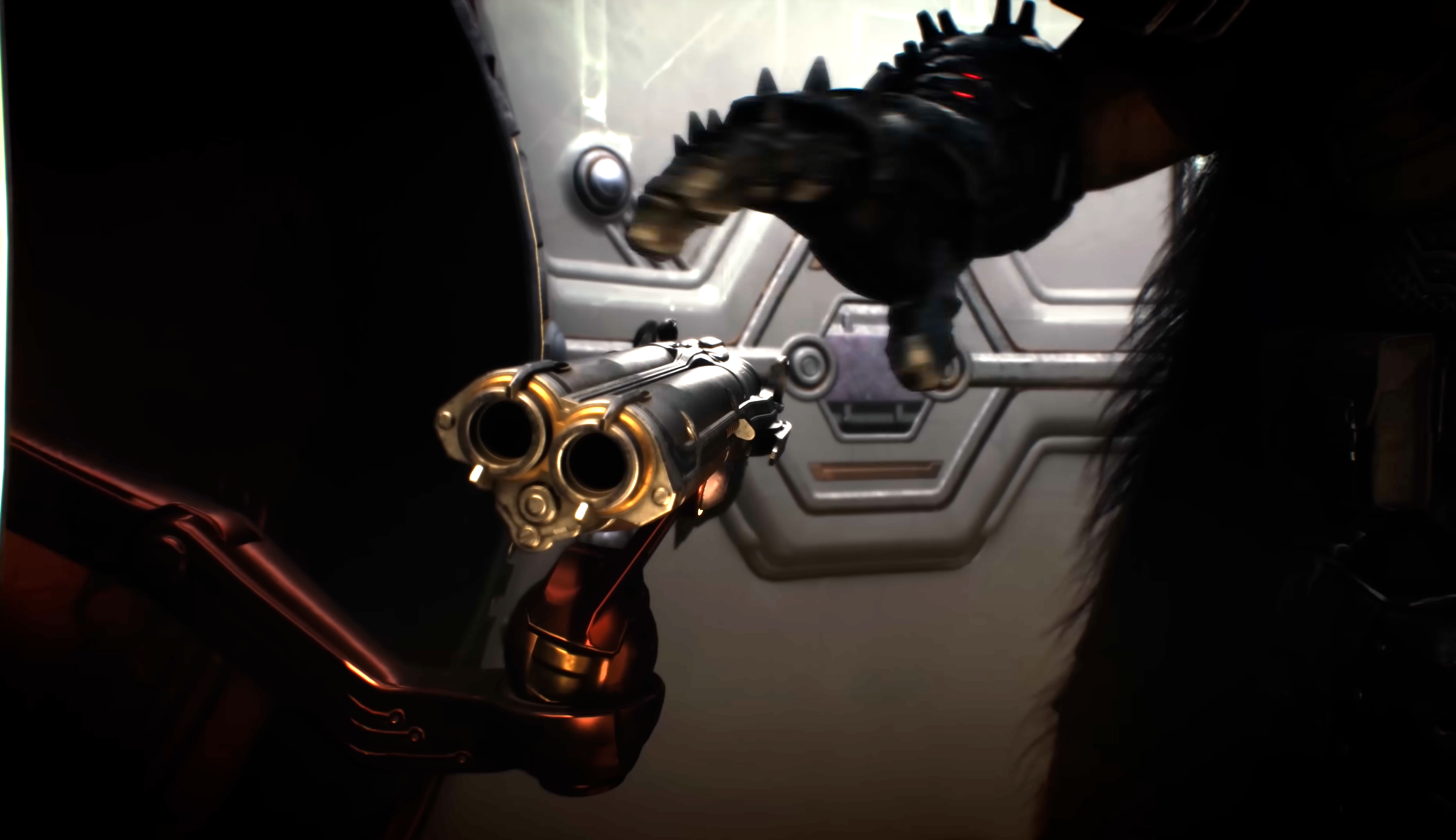
I phrase this in such a way that downplays how influential a lot of these small changes would end up being. DOOM II, after all, introduced the double-barreled Super Shotgun, which has deeply ingrained itself into the franchise’s brand to this day – even in the initial trailer for the upcoming Dark Ages, the first weapon our hero reaches for is an ancient boomstick.
A lot of these changes make DOOM II the franchise fan favorite; it’s the one that gets reinstalled, modded, and valorized the most.
I… really wish I could share the fans’ level of enthusiasm on this one.
Don’t get me wrong, DOOM II is a blast, overall. It’s playful and devious almost to a fault; in my most recent playthrough, I couldn’t begin to count the number of times I shook my fist to the sky cursing Sandy Petersen’s name.
Screw MAP13: Downtown. All my homies hate MAP13: Downtown.
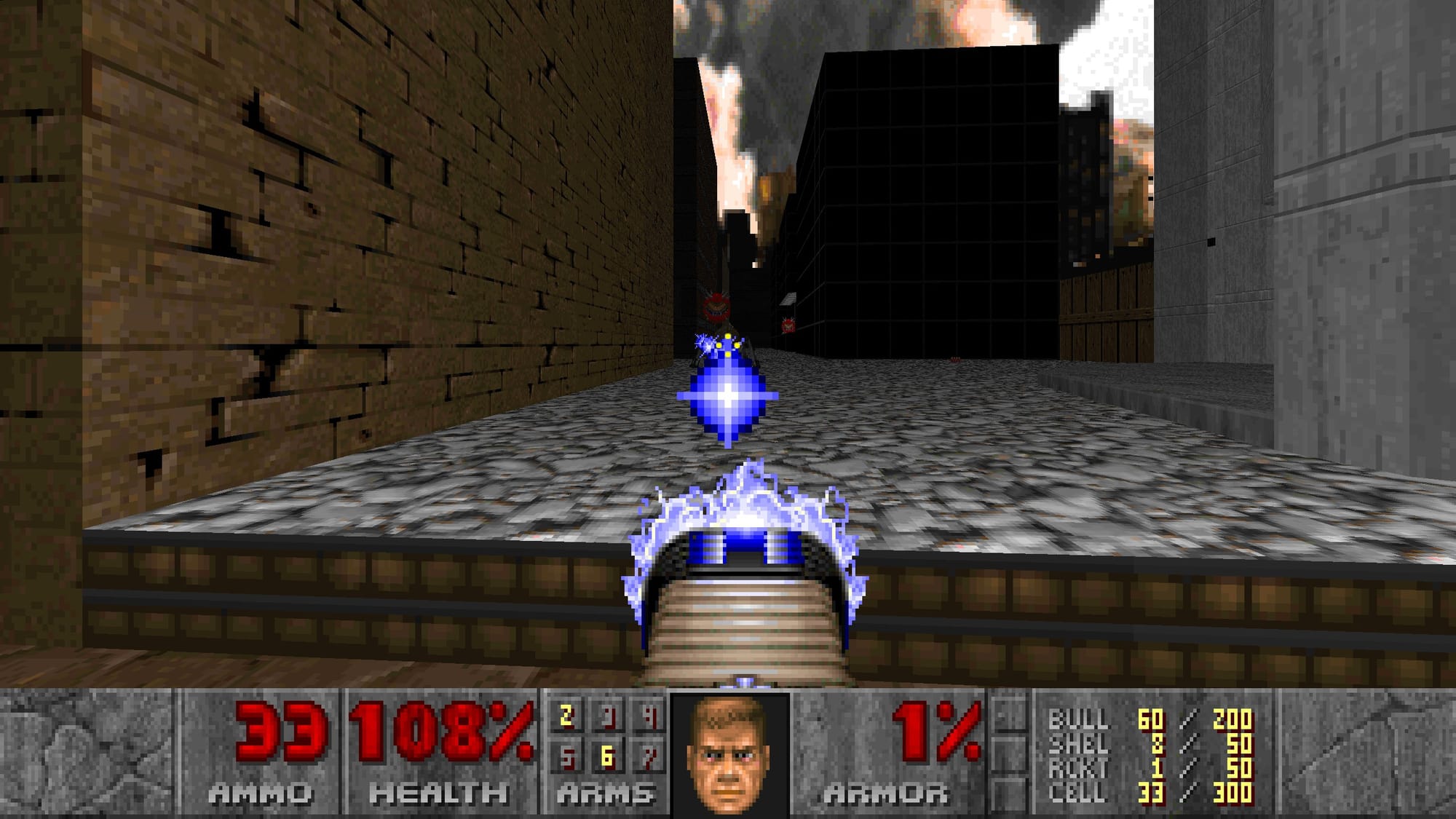
I’m being both facetious and genuine here. I love how simultaneously imaginative yet stupid some of these levels are. Even if I’m not having fun in maps like Downtown, the developers clearly are, and as much of an artificial-feeling slog as levels like Tricks and Traps, Monster Condo, or Barrels o’ Fun can be, there is at least some level of infectious joy on the designers’ end that does bleed through them. They are laughing at my pain and, at times, so am I.
But it just doesn’t feel as cohesive as the first game. It feels like a Super Mario Bros: The Lost Levels-esque mission pack; a disk full of levels meant simply to sate the masses’ desire for more DOOM. And it does aptly do that, but to me, that makes it feel more like a… product, than the original was.
So, let’s circle back to that John Carmack quote that I opened this part of the newsletter with. “Story in a game is like story in a porn movie; it’s expected to be there, but it’s not that important.”
When applied to video games as a whole, this quote is demonstrably false. I can disprove it by simply pointing at the game recommendation above. Indika’s story is vital to its being. The quote offends video games’ potential as an artistic medium.
And yet, it’s haunted the video game industry for decades. Why do we play video games? To experience narratives from an interactive perspective? To explore aspects of the human condition in ways that other mediums like books or films couldn’t allow?
Or, do we play just to have fun? Goof off for a bit, play the product until it’s out of date, and then move on to the next one? Or, more accurately to today’s sensibilities, play the same game forever like it’s a weekly bowling meetup?
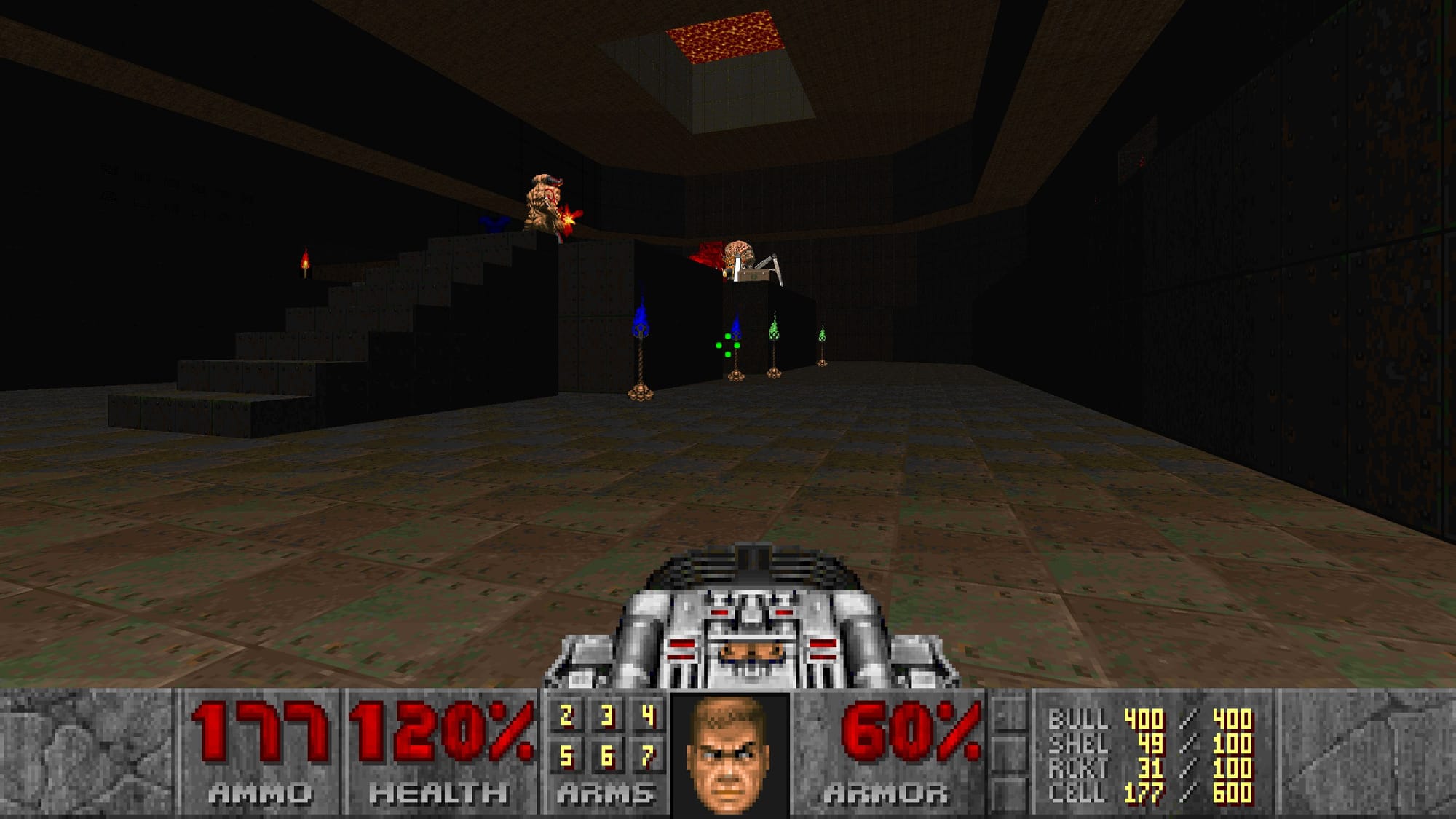
This is a question that’s been brought up endlessly for decades. Every time a Shadow of the Colossus or Spec Ops: The Line or Pathologic comes along, overly loquacious writers like myself spend hundreds if not thousands of words arguing whether games are supposed to be fun in order to be meaningful. After all, many of the most artistically-lauded books and films aren’t fun, per se, but they are meaningful.
But I kind of want to flip that question on its head. Pull a Roger Ebert. Piss some people off on the internet. Why not? Life is short.
Joey Schutz recently wrote an excellent piece on video game addiction; how many of today’s most popular games use design language rooted in gambling and operant conditioning, and how that design has seeped into even the most benign independent games. Citizen Sleeper 2 has a lot to say, for example, but it still has a compulsive gameplay loop underneath the florid writing.
“Addictive” is a word we often see used to critically praise video games. Schutz cites Balatro as an example of a video game that earned acclaim – even awards – for its “addictive” design. Why, he argues? Why should we reward this? Addiction is a scary animal. Addiction rewires our brain chemistry. Many video games use addiction to prey on vulnerable people – often children – and exploit their wallets.
Balatro was praised for not including microtransactions, but its addictive qualities still scare the living daylights out of me. I worry that if I start playing Balatro, I won’t be able to stop, and it’ll eat into valuable time that I’d otherwise spend experiencing more consequential media.
I want video games to be more than just “addictive.” This perception of video games as a simple way to kill time, and nothing more, is a perception that I and so many others resent. That perception led Roger Ebert to infamously declare that “video games can never be art.” And as arrogant as that statement is, today’s biggest exploitative microtransaction-riddled hits like Fortnite, Marvel Rivals, and Genshin Impact are not helping the case against it.
Ultimately, it’s hard to shake the idea that this is what DOOM II is and was designed to be: more DOOM, nothing more, nothing less. The story’s expected to be there, but it’s not that important. It’s not a microtransaction rabbit hole like the above examples, but it exists for a similar reason: get the new dopamine rush out onto shelves.
(And side note, Ebert's "video games can never be art" rhetoric was triggered in part by reactions to his review of the DOOM movie. His thoughts were colored by an adaptation of a game whose studio was named directly for the primitive, pleasure-seeking part of the human psyche.)
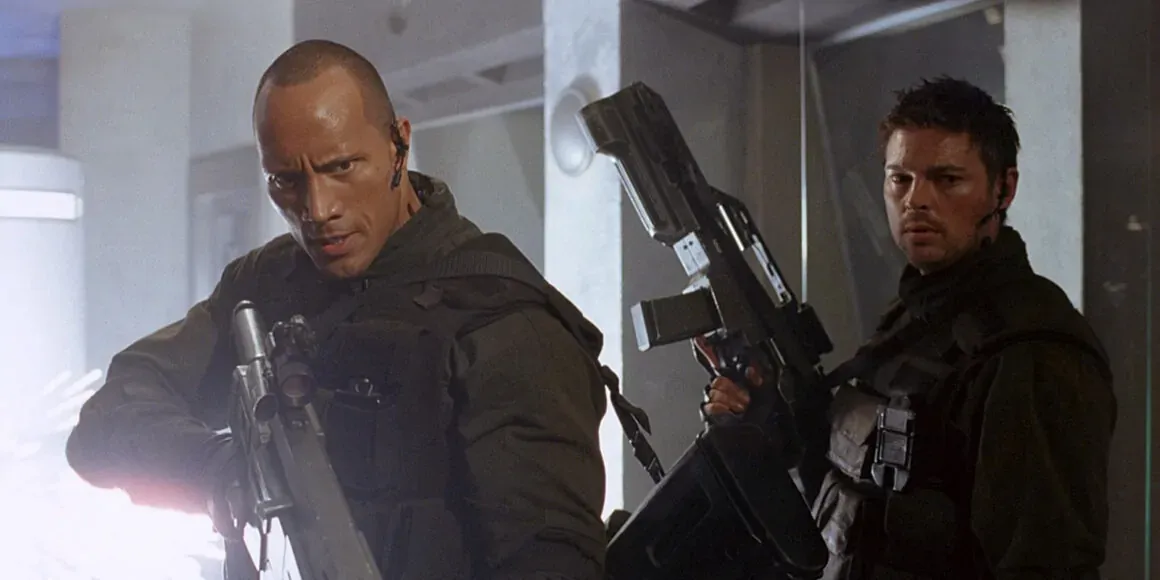
But here’s a counter-question to everything I’ve just typed, including directly to Ebert's thoughts on the matter: is there not an artistry to games like DOOM II?
DOOM II wasn’t made out of cynicism. It was made in large part out of a love of the craft, and that shows in a lot of the levels. It takes skill and design to create levels that stick in players’ heads, that tease and prod and irritate and blow players away. I may not like DOOM II as much as the first, but I cannot deny that John Romero, American McGee, and Sandy Petersen leave very noticeable marks upon their levels, in much the same way one can point out a Van Gogh painting or a Tarantino film just by looking at the strokes or edits, respectively.
DOOM and its sequels are razor-focused on player fun, but playing them, you can still sense a sort of artisanship. As we’ll discuss next week when looking at Master Levels for DOOM II and Final DOOM, creating a DOOM campaign, let alone just one level, takes skill. And the special levels are very special.
Perhaps it’s not enough to think of DOOM as art, but rather a canvas, or a collaborative quilt that started small within id’s development frat house, and quickly expanded to professional designers and ultimately to fans and enthusiasts who made the franchise into what it is now. That’s what makes DOOM more storied than many, if not all other, shooter franchises.
In the over three decades since DOOM II hit shelves, we’ve proven John Carmack and Roger Ebert wrong on video games over and over again, with games like Indika or Outer Wilds. I’m glad we have. And I want developers to keep doing so in the decades to come.
Anyway, we’ll talk more about DOOM's relationship with its fans next week as we look at Master Levels and Final DOOM.
Hey! You broke my wishlist recommendation!
Like in DOOM II, I often think that a video game that nails comedic destruction can be as much of an art as anything else.
To that end, Deliver At All Costs is going to be a laugh riot.
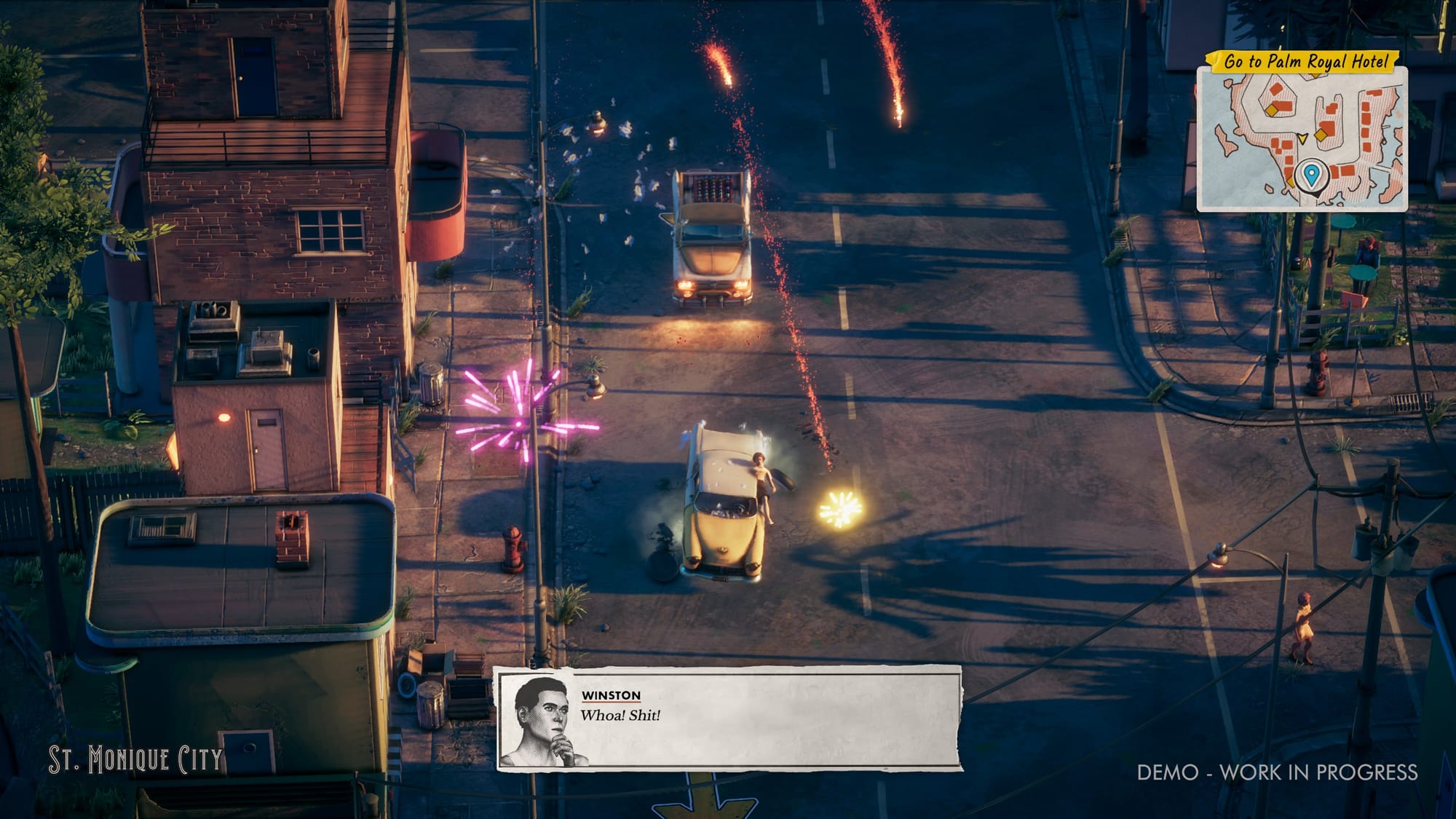
Konami publisher jumpscare aside, DAAC made me feel like a kid again, watching It’s A Mad, Mad, Mad, Mad World and playing The Simpsons: Hit & Run and cry-laughing with my family at the utter comedic chaos unfolding onscreen.
Physics objects fly. Collisions with the comically-destructive environment are inevitable. Objectives are fun predicaments that are entertainingly hard, but not frustrating (you couldn’t manage that, Hit & Run). Everyone reacts in gut-busting deadpan, heightening the buffoonery of it all.
The game’s Steam Next Fest was great fun and I look forward to playing the full game just to guffaw at it for another however-many-hours-it-lasts.
Deliver At All Costs will be released on PlayStation, Xbox, and Windows PC via Steam, GOG, and Epic Games Store on May 22. A demo is currently available on Steam.