
The SuperDQP Weekly - March 31, 2025

The DOOM franchise is famous (and infamous) for its ambitious fan community, with mods and campaigns that rival id’s efforts on the original games. That’ll be the focus of this week’s newsletter. Welcome back to Hell.
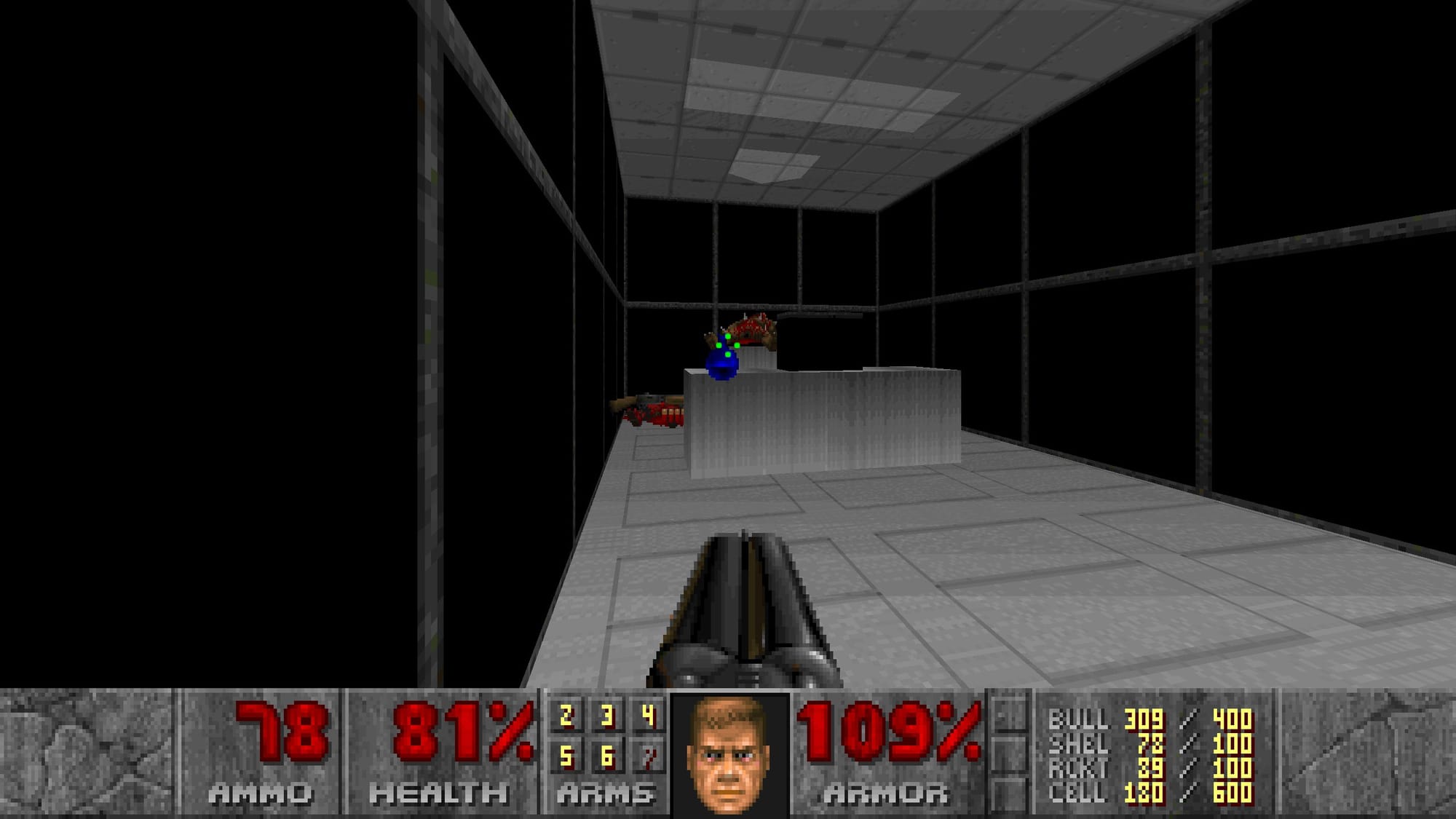
Speaking of Hell, a hellish game rec
I’m going to do something this week that I frankly should have been doing in these newsletters more often: revisiting games that I’ve made wishlist recommendations for in the past. I’ve already dedicated a newsletter to Citizen Sleeper 2: Starward Vector, but this week I’m going to briefly revisit Sorry We’re Closed.
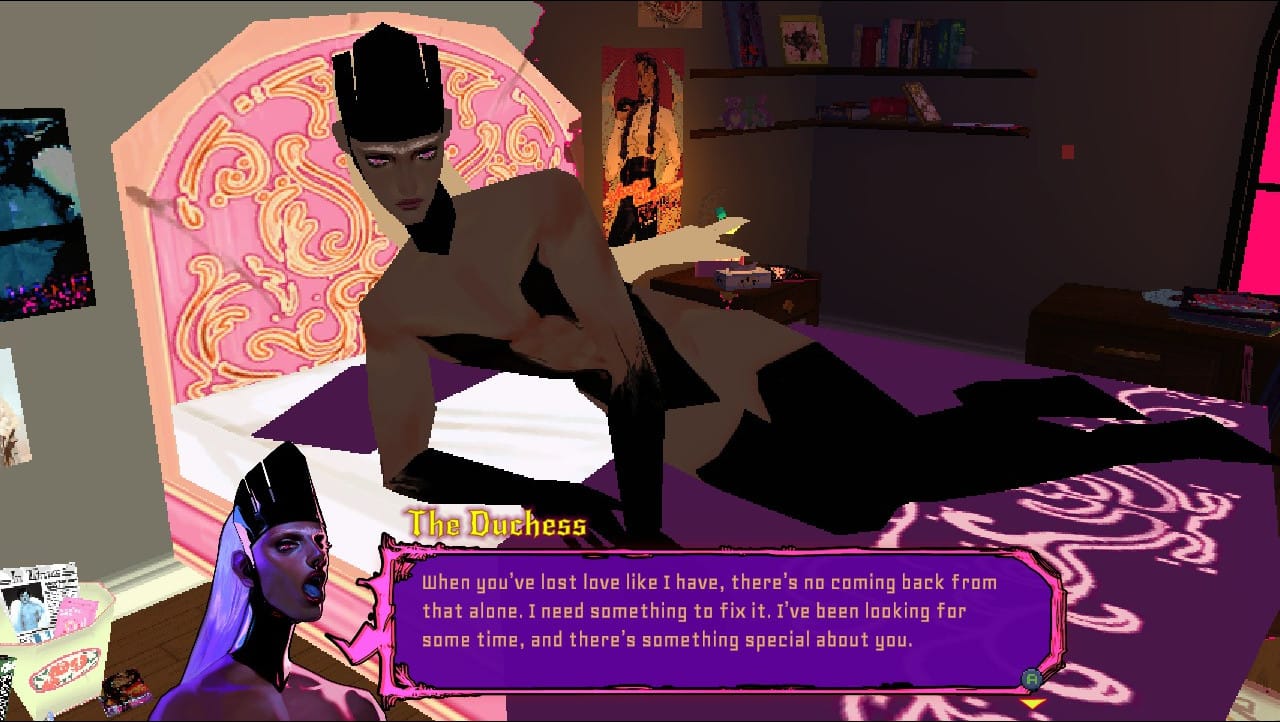
Sorry came out a little while ago and has been a pretty modest hit, and it’s proven to live up to the queerly confident praise I gave the demo a few months ago. It liberally borrows its gameplay from classic PlayStation-era Resident Evil and Silent Hill titles, but it has a vibe completely unique from its horror contemporaries.
Sorry We’re Closed has a bohemian sense of humor, with its focus on queer retail and service workers struggling to make ends meet in a London flat. The demons can be frightening, but they’re just as often surprisingly human. The game’s enemies will try to eat your face one moment and have frank conversations with the player about romance and loneliness the next.
It’s one of the most unique horror games I’ve played (if I can even call it horror, it just borrows mechanics from horror games without entirely borrowing the oppressive atmosphere), and more people should check it out.
Sorry We’re Closed is now available on PlayStation, Xbox, Switch, and Windows PC via Steam. The game is Steam Deck verified, and my experience playing on Steam Deck reflects this.
The fangame conundrum (featuring DOOM)
A couple newsletters back, I featured the Paper Mario mod Black Pit as a game recommendation. It’s an interesting – and impressive – fan work that tweaks Paper Mario’s gameplay loop to turn it into an endless roguelike experience. A lot of the changes it made to that loop are interesting, and some grinding aside, I enjoyed digging into the pit and discovering its secrets. But as I neared the end of the adventure and found its deepest secret, it… lost some of its magic.
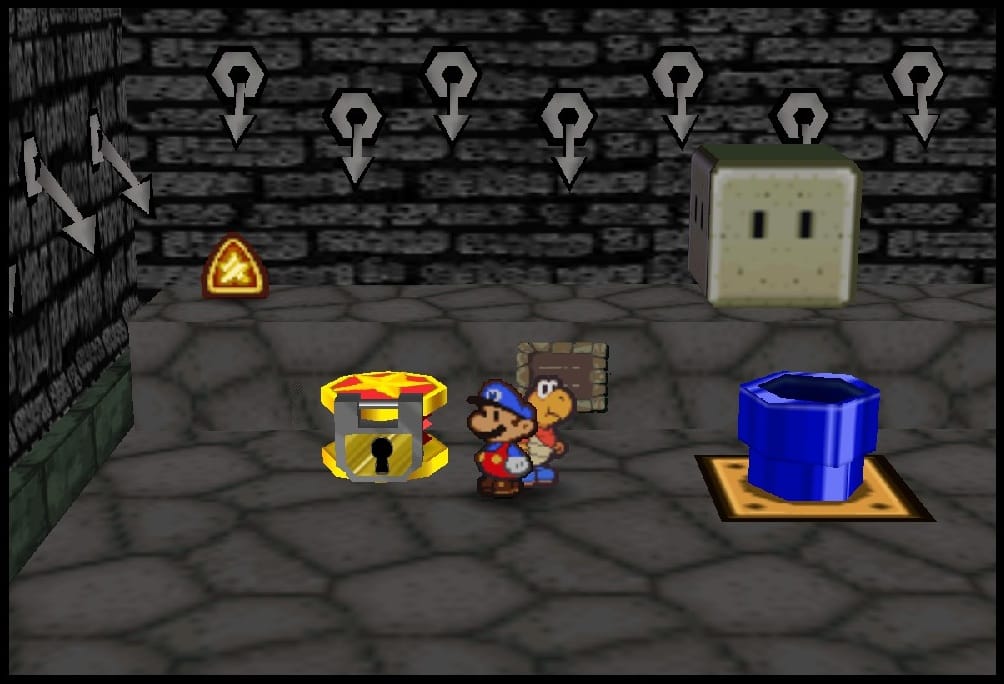
Put a pin in that, we’ll get back to Black Pit.
Hello, and welcome back to my little series on DOOM! For those not aware, I’m dedicating each newsletter for the next few weeks to a different DOOM title, leading directly into the upcoming DOOM: The Dark Ages. This was spurred on by Nightdive’s recent collection of DOOM WADs and I want to feature each one, with DOOM 64 and the recent reboot games thrown in for good measure.
This week, we’re featuring not one, but three of these campaigns, spearheaded by fans and released officially by id Software: Master Levels for DOOM II, TNT Evilution, and The Plutonia Experiment, the latter two of which were released as Final DOOM in 1996.
Let’s briefly touch on these one by one before I tie it all together with a Paper Mario: Black Pit shaped bow.
Master Levels is less of a campaign and more of a loose collection of levels curated by id Software after the proliferation of mediocre unofficial fan level disks. Unlike TNT and Plutonia, which were dedicated campaigns headed by coordinated teams, the Master Levels were made by disparate fans.
Many of the levels are, like the aforementioned unofficial disks, kind of mediocre, but there are some genuinely inspired levels in the pack as well. Black Tower and TEETH (that is, The Express Elevator To Hell) are really cool (and long) levels that puzzle the player and, in TEETH’s case, puts them through a long gauntlet of attrition that challenges their ability to manage their resources.
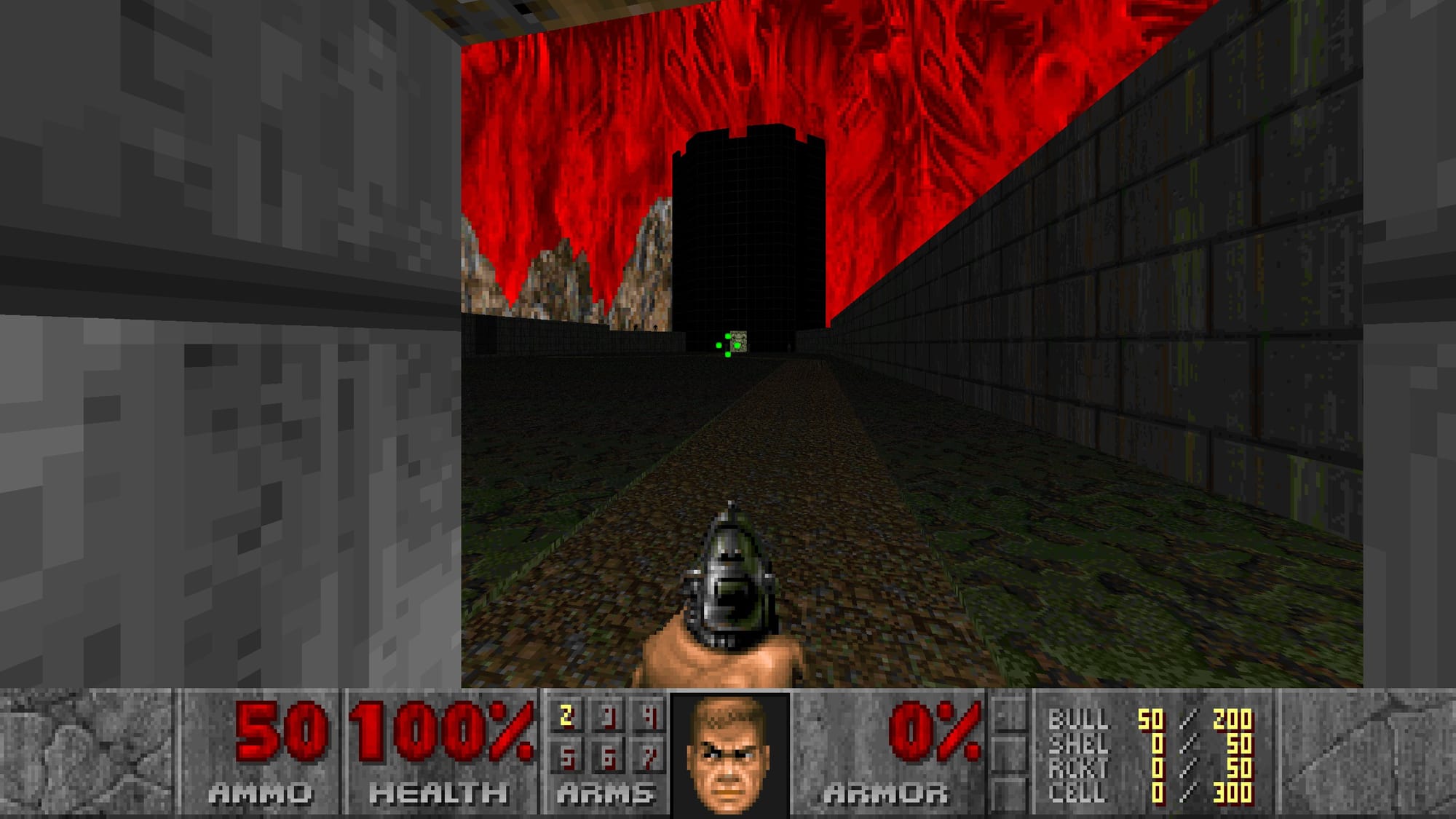
There’s also levels like the secret Bad Dream, which is an unconventional – if grueling – challenge with a comical setup.
Overall, the Master Levels are as inconsistent as their developers, but there are real diamonds in the rough.
TNT Evilution is, by comparison, a more consistent but fascinating beast.
Developed by modder collective TeamTNT, who went on to produce many more unofficial fan campaigns until stopping in 2008 and eventually pulling their resources after the tragic death of its founder, Ty Halderman.
TNT takes noticeable cues from Duke Nukem 3D, released a few months prior. Where previous DOOM games and levels were more abstract showcases of level design, sacrificing realism in the name of tone and player fun, TNT – like Duke – takes steps to ground its levels and make them believable spaces.
Now, fan DOOM levels based on real environments are nothing new; the recent MyHouse.wad starts as a postmodern parody of this phenomenon. But after slugging my way through so many abstract levels, it was shocking to enter a space that was just… a power generator. Or an assembly line. Or a cubicle farm.
It’s impressive stuff, flipping a switch and seeing boxes move down a conveyor belt.
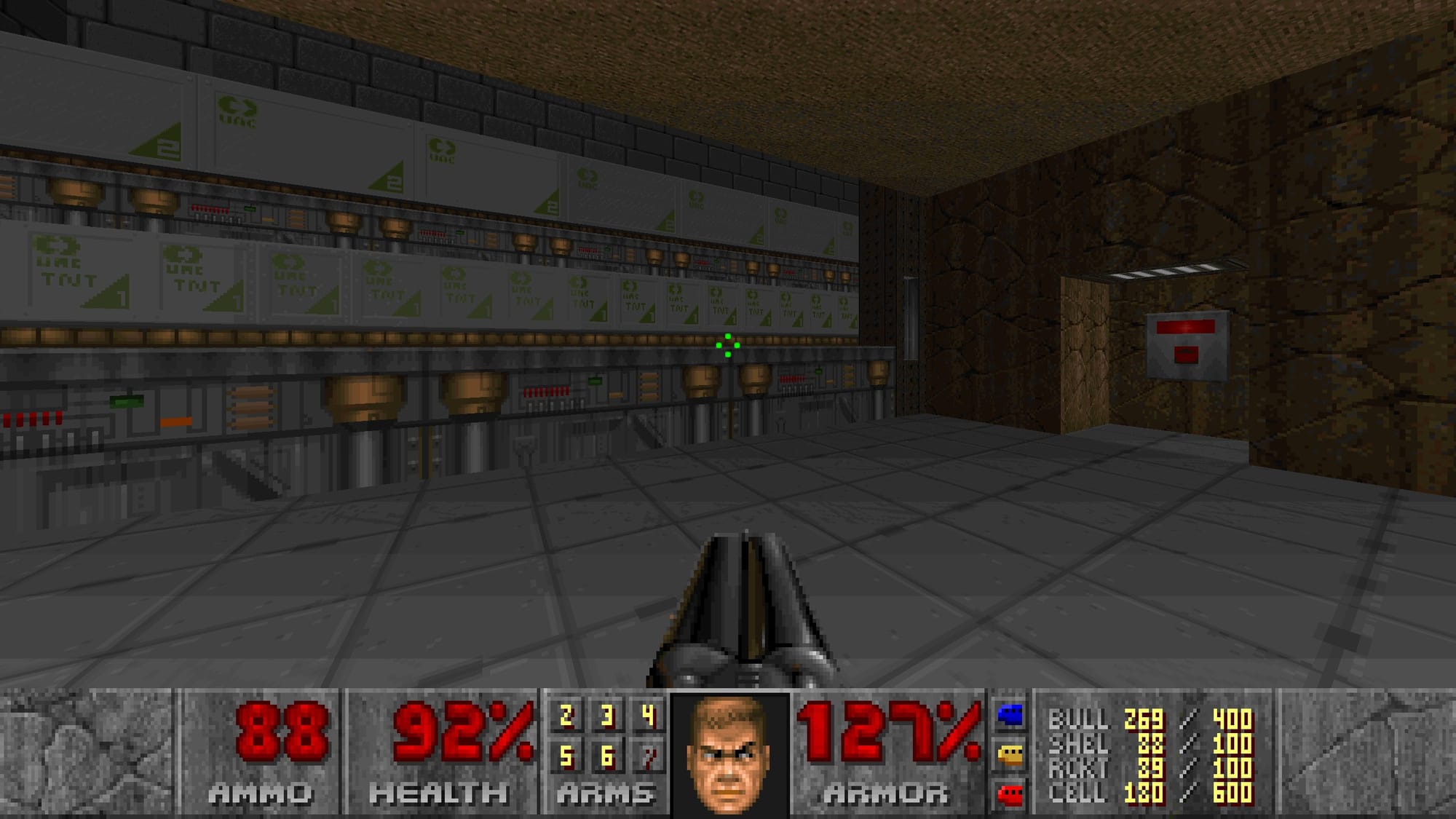
TNT’s levels are also huge – to a fault. It can take almost a half-hour to completely decipher some of these spaces, and in a 30-level campaign, that means that players (especially in the 90s) got a lot of bang for their buck. If I were a 90s DOOM fan and paid full price for TNT Evilution alone, I’d probably be very satisfied. The inclusion of a whole other campaign would be a great bonus.
And good thing too, because I couldn’t bring myself to finish or enjoy The Plutonia Experiment.
Plutonia is less of a coherent campaign and more of a sick practical joke, overusing traps and “gotcha” enemy ambushes to a frustrating degree. I don’t have much to say on it.
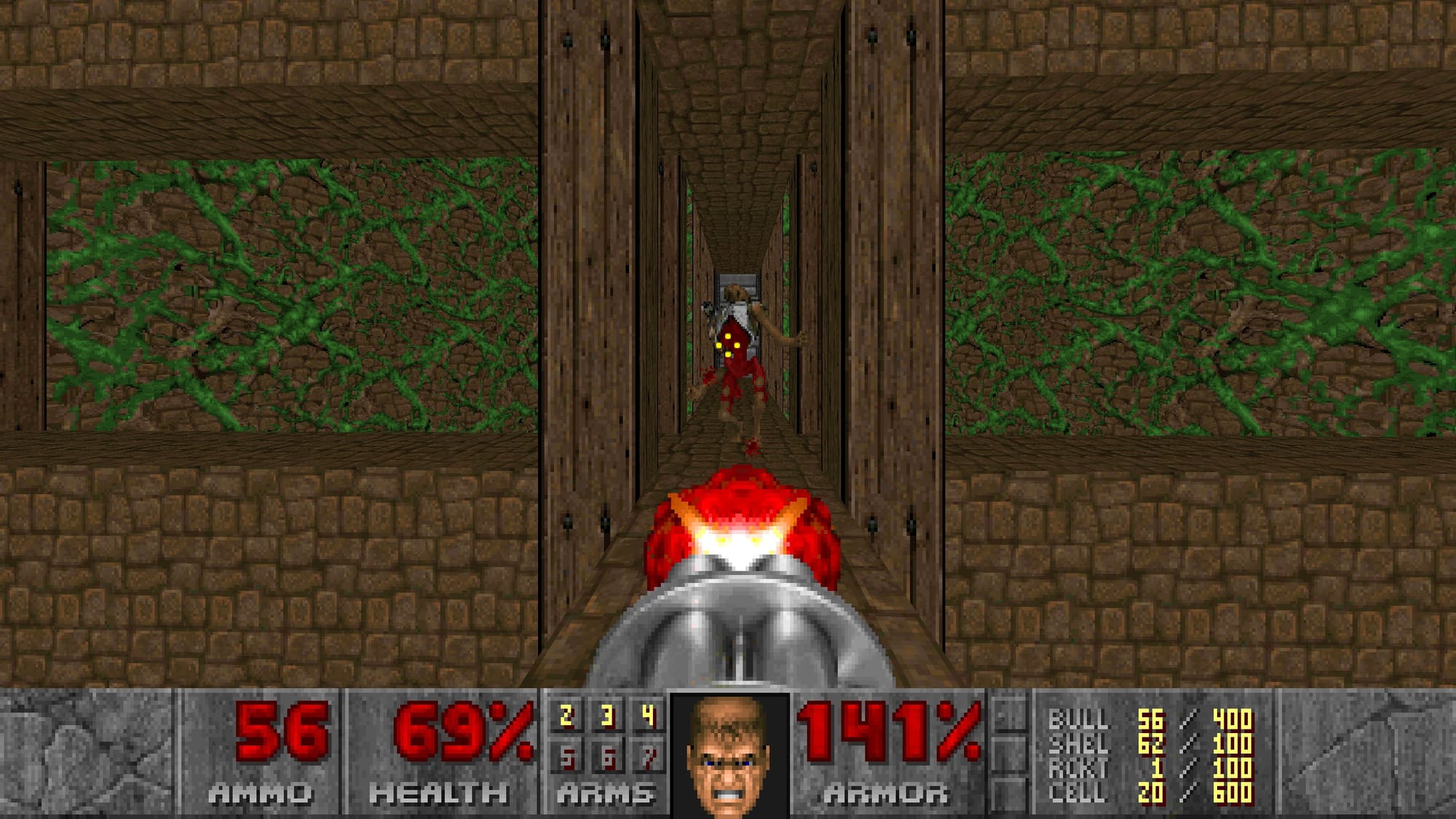
But I kind of buried the lede there. I didn’t finish The Plutonia Experiment. And, being honest, I didn’t finish TNT either.
TNT is mesmerizingly ambitious, but its massive levels don’t lend themselves well to a busy adult lifestyle. If I were an edgy teenager in the 90s hopped up on DOOM and Duke Nukem 3D, and I got a copy of Final DOOM right in the middle of summer vacation, I’d be glued to that disk for months. The levels are so big! It’s so hard! It’s the perfect setup to dump tons of time into a game purchase.
The problem isn’t necessarily that I can’t do big games anymore. I dumped almost 90 regrettable hours into Final Fantasy VII Rebirth, and I’m in the process of dumping what will likely be a similar number of less regrettable hours into Metaphor: ReFantazio. One of my most anticipated games of the year – bar the next DOOM, of course – is Clair Obscur: Expedition 33, a French throwback to PS2-era RPGs like Shadow Hearts and Final Fantasy X. That game will likely also be very big, hours-wise.
The problem is, frankly, that fan communities have an inconsistent grasp on what makes good game design happen.
TNT seems to thrive on a mindset of “bigger equals better” that doesn’t stop to think of how frustrating it is to either restart an entire level after death, or spend the entire time saving and loading the game to avoid losing tens of minutes of time to a cheap chaingunner ambush.
And as mentioned, of course, Plutonia is made for the kinds of freaks who are willing to put up with Kaizo Mario levels of absurd difficulty. It is made by the hardcorest of the hardcore DOOM fans, for the hardcorest of the hardcore DOOM fans.
I consider myself a pretty hardcore DOOM fan at this point, but I am nowhere near the level needed to push through Plutonia.
Let’s circle back to Paper Mario: Black Pit. Mild spoilers, I suppose?
The big reveal at the end is that everything in the romhack was orchestrated by one of the antagonists of a different Paper Mario game. Another superboss from a different Paper Mario game makes a different late game appearance. And it’s neat, seeing the effort that went into sprite work and animations for enemies and characters that never showed up in the original Paper Mario, but it still feels… a little hollow. It feels like something a fan would come up with, instead of something a game designer would come up with.
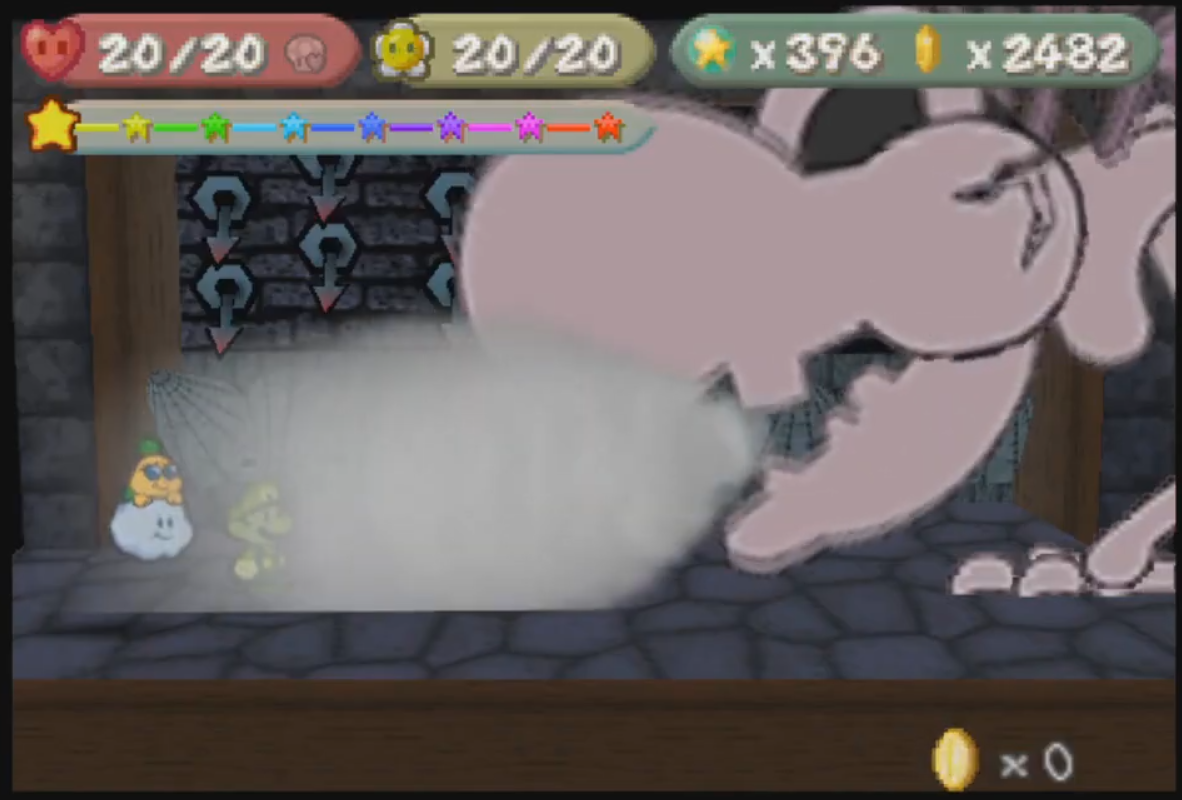
Black Pit is an impressive fan effort, to be sure. But it definitely feels more like a fan effort than something more professional, like Bug Fables.
But you know what? That’s okay!
I can lament the faults of Black Pit, TNT, and Plutonia all I want, but I’m glad they exist. In fact, I’m overjoyed they exist. For every lame level in Plutonia, there’s a Black Tower or TEETH in Master Levels that reminds me that fans have really cool ideas sometimes.
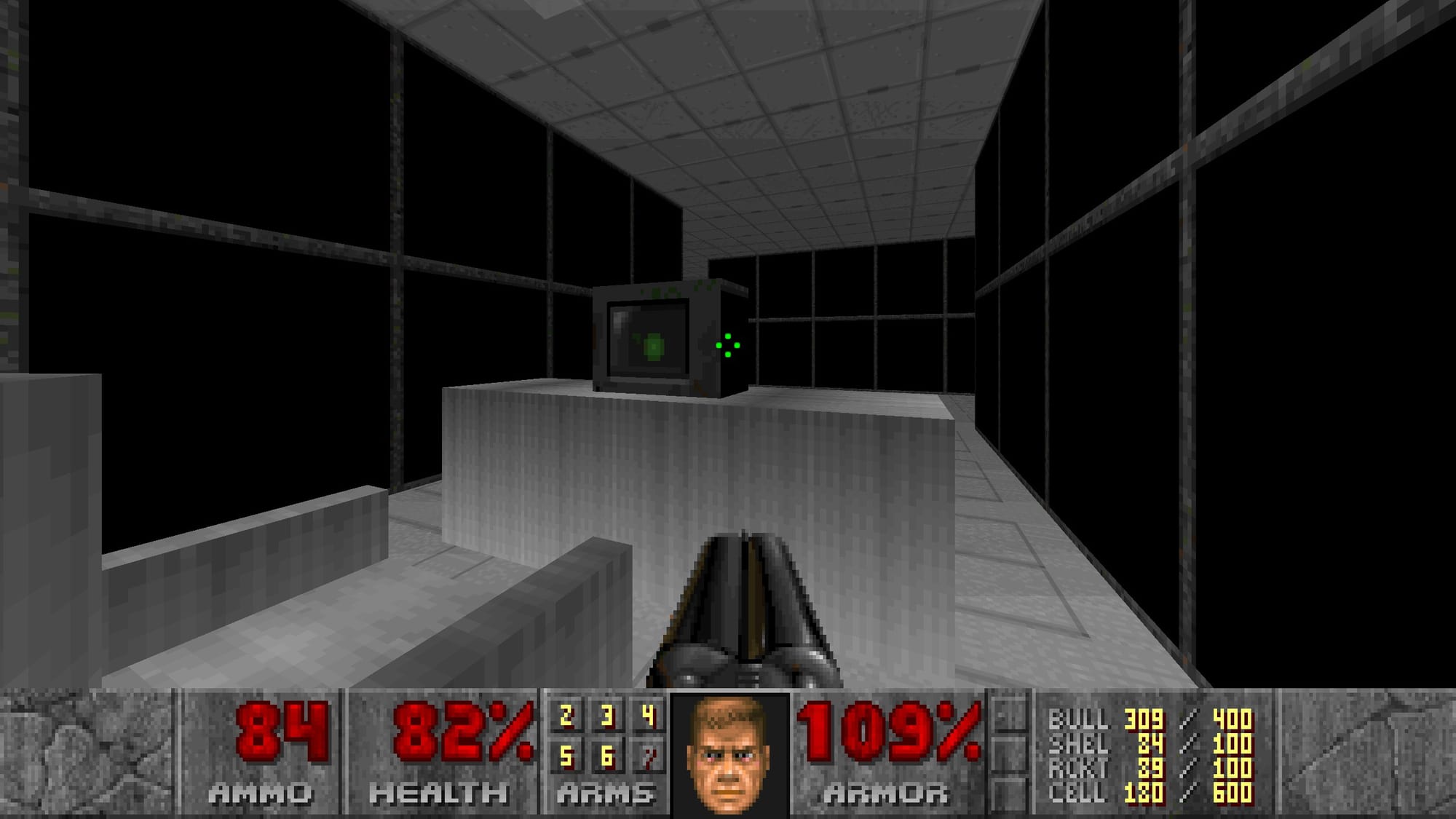
Mods often have growing pains, but game developers need that kind of growth. Sonic Mania, one of the best Sonic the Hedgehog games ever made, couldn’t have happened if not for Christian Whitehead’s work on Sonic fangames. Many, many professional game designers got their start in mod communities, and games like Counter-Strike and League of Legends flat out could not exist without prior modder efforts.
DOOM has a famously broad fan community, with diverse mods that push DOOM’s boundaries in directions that id Software couldn’t have dreamed of. It’s so big that there’s yearly awards for the best DOOM mods out there. Many of them deserve recognition, and the developers behind Master Levels, TNT Evilution, and The Plutonia Experiment paved the way for them.
Fan works can be messy and inconsistent, but they are beautiful. I had to scratch Final DOOM out of frustration with its flaws, but I adore what it represents. And I hope DOOM fans never get discouraged from doing what they love for the game they love.
Even if Bethesda does their best to screw them over.
The wishlist rec has been returned to our base!
Speaking of influential FPS mods, I’ve already typed a lot of words thus far, so I’ll keep this brief: Team Fortress 2 Classic is finally going to hit Steam! Eventually!
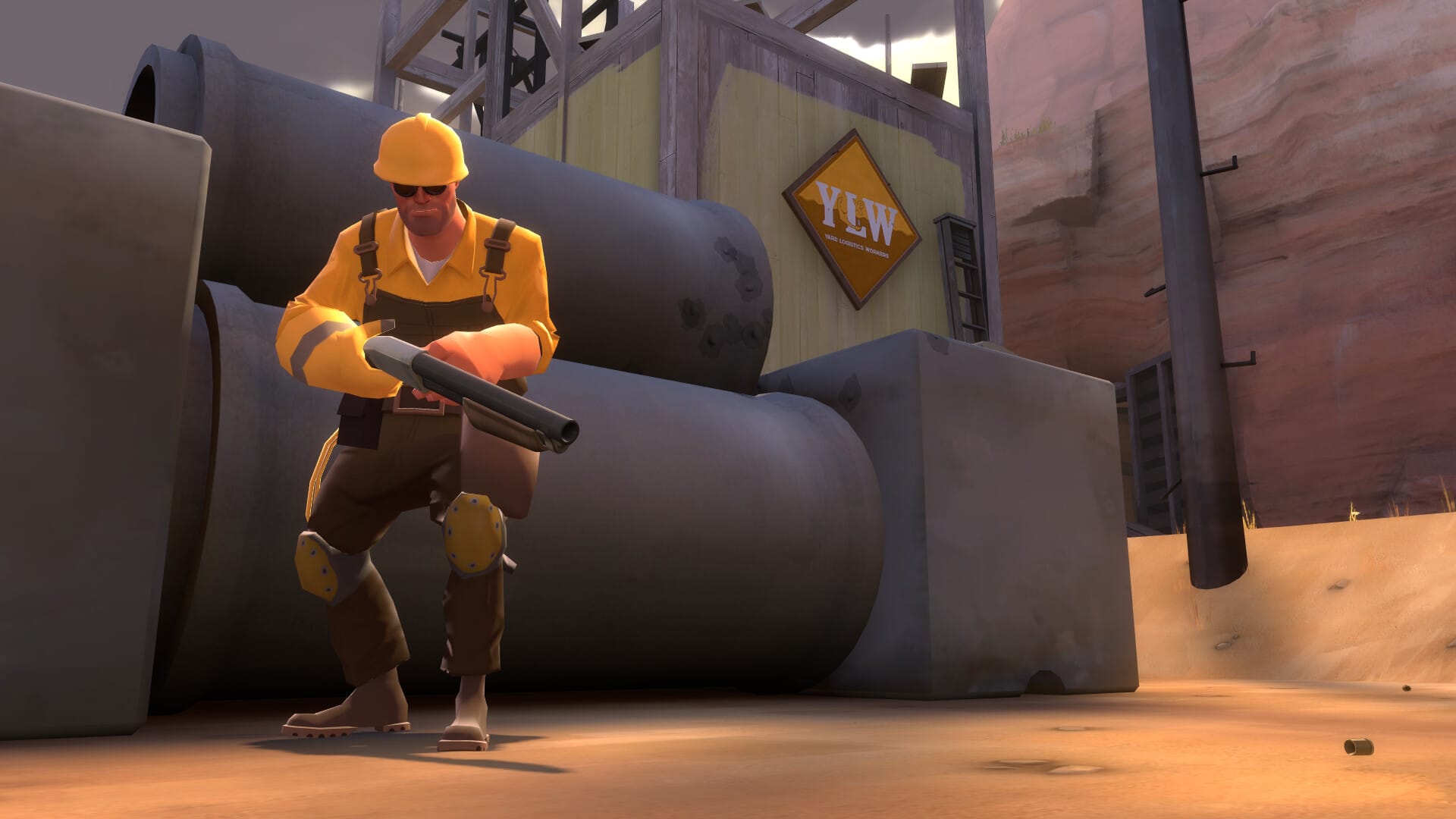
I’ve lamented in the past how difficult it is to return to Team Fortress 2 for a multitude of reasons, but with any luck, Classic will shed a lot of the microtransaction live service baggage and leave behind the tight and deep hero shooter (yeah, I’m calling it that) at its core behind.
I sadly was not around for TF2’s launch era, but it’s old enough that I still have the better part of two decades’ worth of nostalgia for it. TF2 Classic goes back further than that nostalgia, but this is still as close as I’m going to get to playing the game at its peak.
Team Fortress 2 Classic is slated for release as a community mod on Windows PC and Linux via Steam in 2025.