
The SuperDQP Weekly - December 15, 2025

Almost done. Today’s Great Backlog Offensive newsletter will focus on the popular horror RPG OMORI.
I have some thoughts on OMORI.
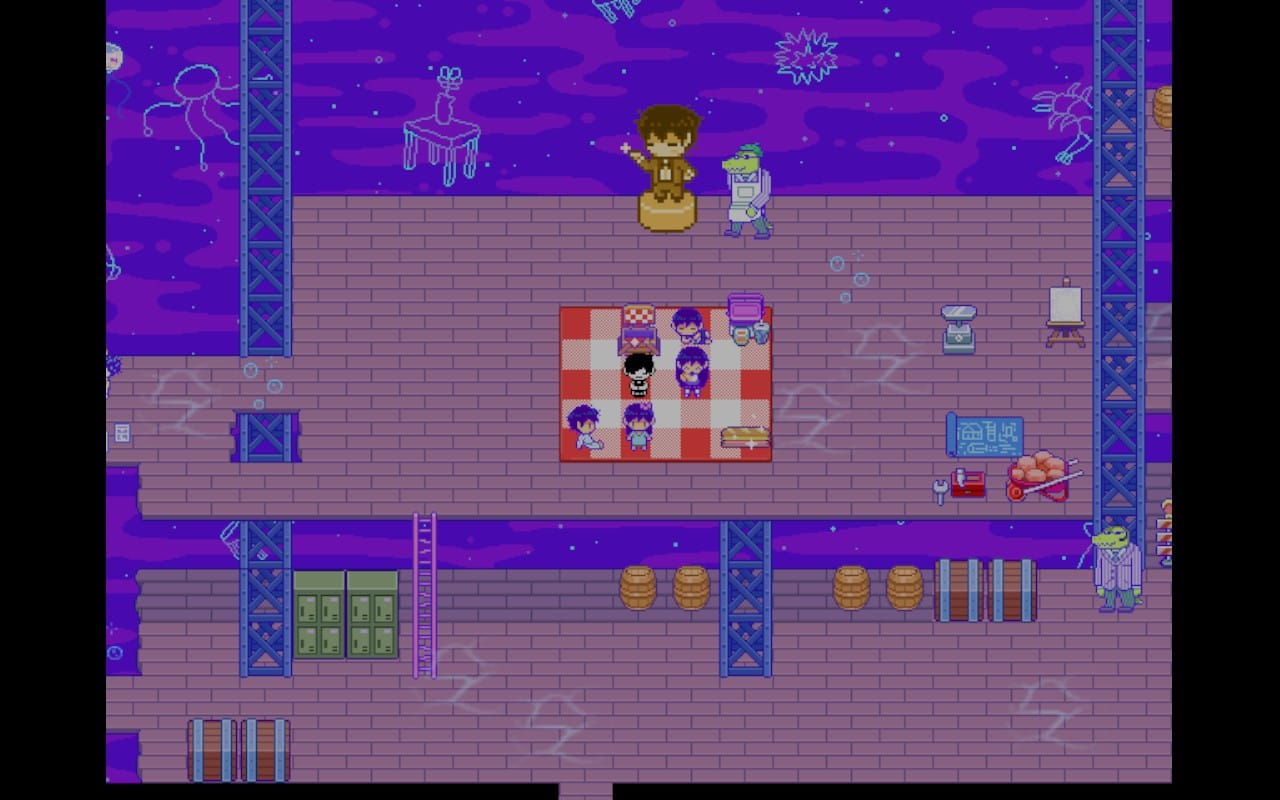
Spoiler warning for OMORI ahead
This newsletter is a part of my Great Backlog Offensive miniseries. In 2015 and 2020, these were videos for my now-defunct YouTube channel meant to look at classic games from a modern lens. I am reviving it this year with five more old-to-old-ish games. The first entry, on DUSK, can be found here. The second entry, on Half-Life: Alyx, can be found here. The third entry, on Tales from the Borderlands, can be found here.
This newsletter also features discussion of depression, anxiety, domestic abuse, isolation, and suicide. If you or someone you love are struggling with thoughts of suicide, know that you are not alone, and that help is available at any point. Don’t hesitate to call 988 for mental health crises. Queer and gender non-conforming people can call the Trevor Project at 1-866-488-7386 or the police-divested Trans Lifeline at 877-565-8860.
I admire OMORI’s willingness to talk about America’s loneliness epidemic in a frank and honest manner.
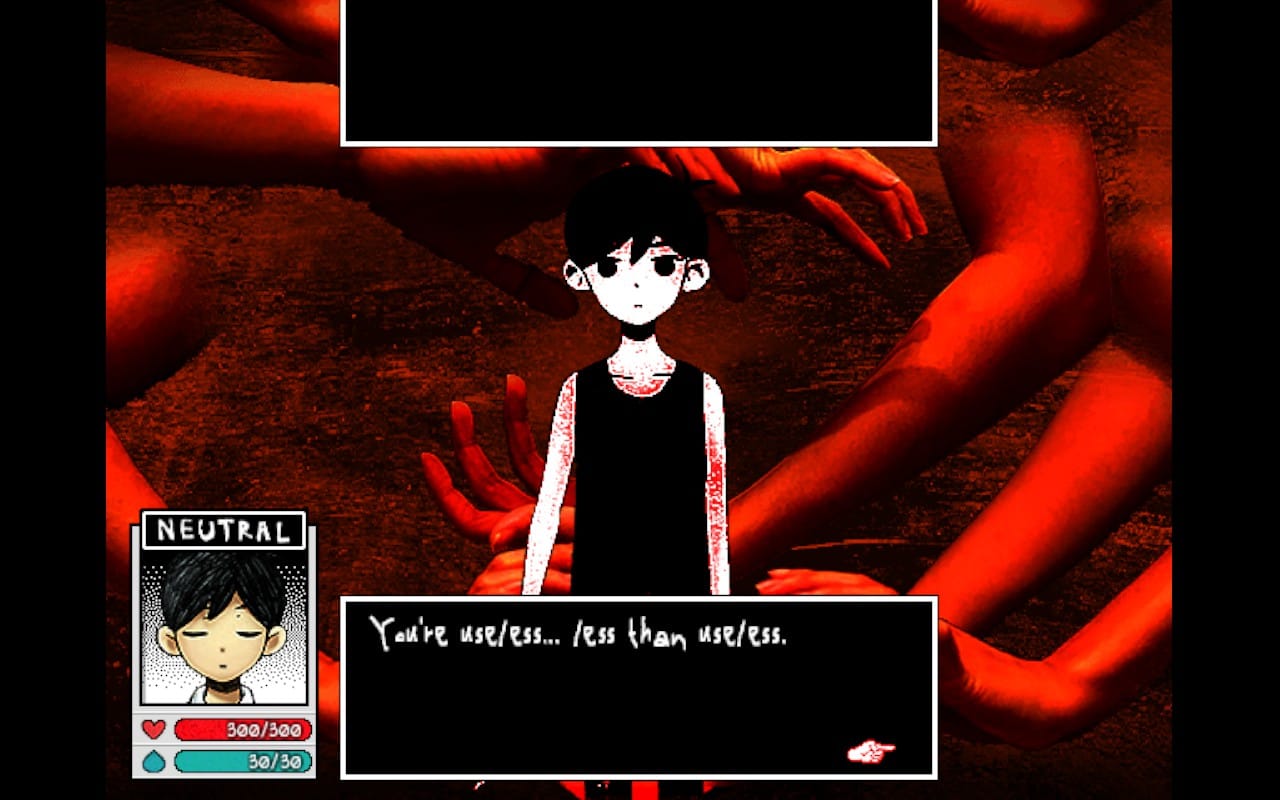
There, I’ll start with something nice. We won’t end there. But we’ll start there.
OMORI feels almost prescient in the ways it fixates on male loneliness long before it became a buzzword among journalists and opinion writers. It borrows its name from the Japanese word hikikomori; describing someone who rarely if ever leaves their home.
OMORI’s lead, Sunny, is so isolated in his room that he’s dissociating from reality. The game largely takes place in his head as he processes both his friendships and his darker feelings surrounding depression, anxiety, and… something else.
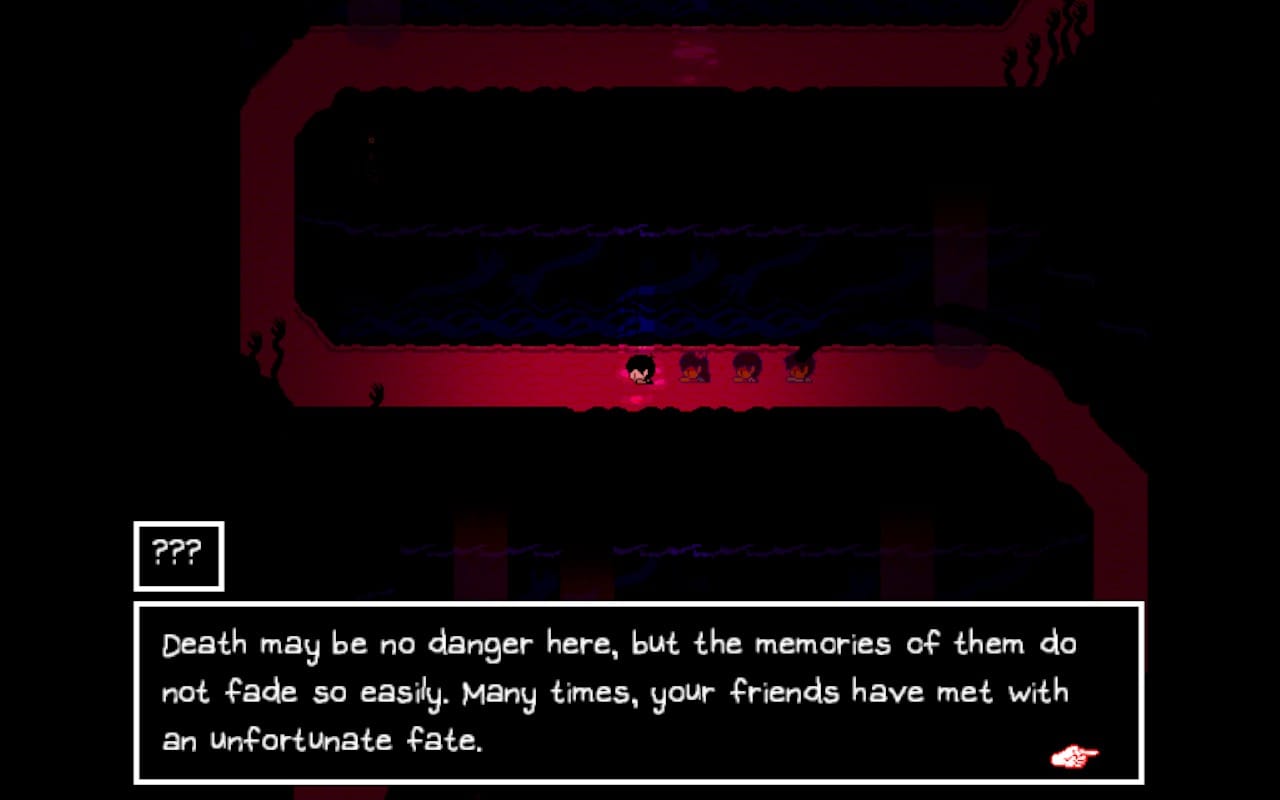
That “something else” lies at the core of what seriously rubbed me the wrong way about OMORI. We’ll get to it soon. But I do think OMORI has a lot of earnestly good insight on how this kind of thing happens. Or, at least, it seemed to, before that “something else” entered the picture.
The game takes its time before revealing that Sunny’s mindscape is nothing like the real outside world. His sister Mari, a warm, literal healing presence in his head, is dead by apparent suicide in reality. His old friend Aubrey, while energetic and sometimes flirtatious in his head, is bitter and violent in the real world. While his friend Kel earnestly wants to reconnect with him, his brother Hero, a party member in Sunny’s head, starts the real world segments off at college.
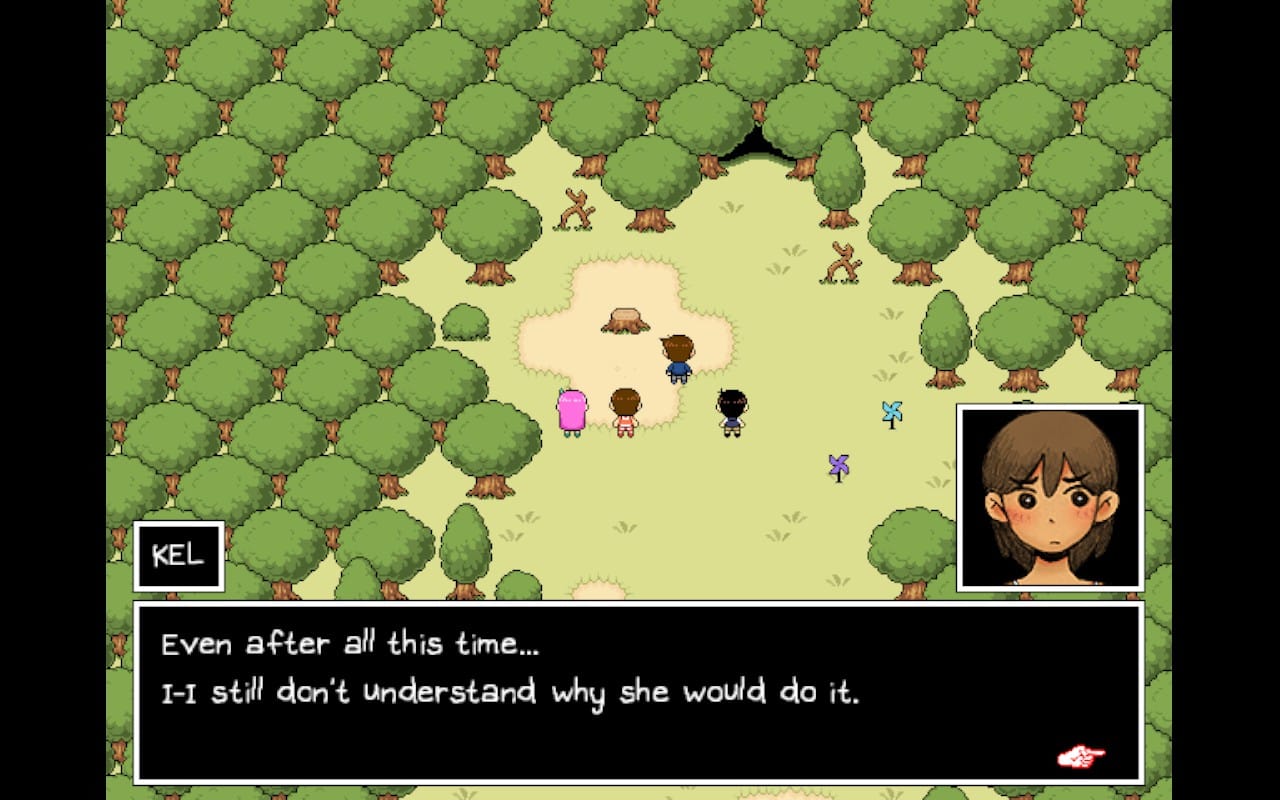
I think this revelation is a stroke of game design genius. It’s a reality check straight to the gut. And the revelation isn’t limited to the characters; Sunny lives in the middle of suburban nowhere. His neighbors have a myriad of issues, including strongly implied domestic abuse on Aubrey’s end. Sunny’s real-world activities are strictly limited not by his parents but by the sheer lack of things to do aside from chores and mundane summer labor in the neighborhood’s lone strip mall.
OMORI’s suburbia is a desolate wasteland, and I think this is one of the game’s smartest ideas. There’s just not a lot to do in the game’s real-world segments aside from disturb the neighbors and do menial work. Through this, the game paints a bleak picture of suburban life, burdened by hostile car-centric infrastructure and devoid of leisure.
Throughout the game, I got the impression that Sunny’s isolation was structurally reinforced if not outright inflicted. His neighborhood is a place that is simultaneously terrifying and boring. Why would he ever leave his room?
It’s a feeling I honestly resonated with, and I think is what lies at the core of the game’s popularity. How can a child really flourish or develop a sense of agency if the best things to do require a car ride, if pedestrians are prone to fatal accidents, if their suburban neighborhood is potentially filled with dangerous people with dangerous vehicles and dangerous tools?
Sunny lacks social skills, but there’s barely any room for social interaction in the first place. Even the friendliest NPCs in reality feel standoffish.
As an interactive exploration of the systemic ways that isolation can happen, OMORI is brilliant… up until the last few hours.

The twist, the “something else” I’ve been alluding to, is the revelation that Sunny’s isolation and dissociation is actually caused by his accidental murder of his sister Mari.
I've heard the half-joke before that if a horror game feels kind of passable and forgettable but is teasing a plot twist, the plot twist is that “he killed her.” And it really bummed me out that for as insightful as OMORI seemed to be, it fell for that exact narrative trap.
It legitimately made me angry. It invalidates all of the interesting points it seemed to be making about suburban isolation, for what? A cheap twist that I’ve seen dozens of times?
And not only does it invalidate all of those points, it does a serious disservice to its own portrayal of negative mental health, painting the cause not as systemic societal problems, but as the extreme guilt of an unlikely accident.
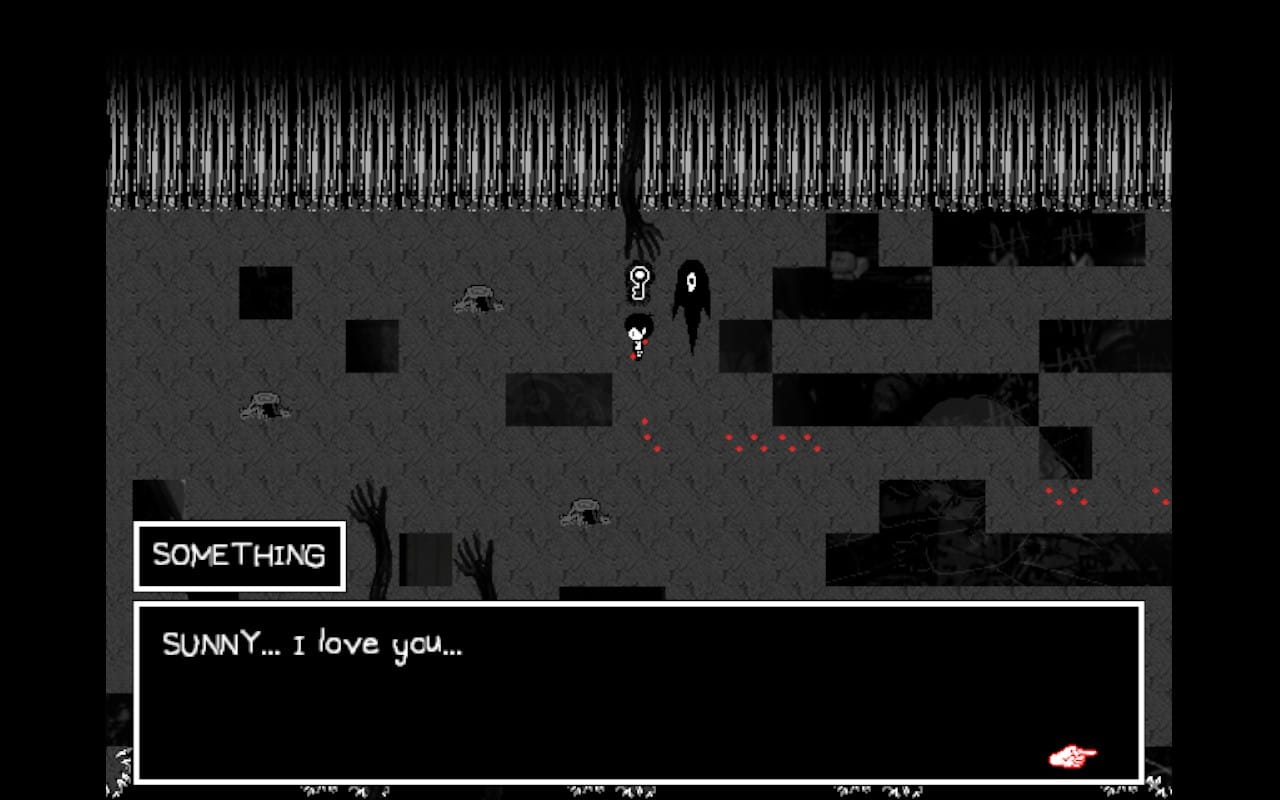
I struggle regularly with loneliness and depression, especially around this time of year. Work takes up most of my time to the point that during winters I arrive at work before sunrise and leave after sunset, which isn’t so much a quirk of intense hours so much as it is Alaska’s strange daylight timing. Many if not most of my friends are online and live across the continent if not further, meaning that, in turn, many of my interactions with them are asynchronous and that live events have to be timed precariously.
Many of my friends in meatspace struggle with problems like these, to the point that it can be difficult to motivate people to get out of the house and actually do stuff outside of video games or scrolling social media.
There are real underlying societal problems that lurk behind all this; political forces that seek to divide and conquer with emotionally exhausting propaganda, the fear of being openly queer in our current political climate, city infrastructure that demands car ownership, the expectation to dedicate forty or more hours a week to labor to sustain a living wage, the physical and psychological remnants of a lethal virus still circulating over five years after it kickstarted a once-in-a-generation pandemic, and economic incentives that favor predatory and addictive design in our technology and entertainment. And none of that is to mention the fact that as I type this, weather forecasts in my area call for intense wind chill and single-digit temperatures (in Fahrenheit), and I only ever get to see the sun on weekends, if I’m lucky.
None of those underlying issues imply that I’ve accidentally murdered a sibling, but OMORI implies that the level of isolation it depicts manifests through something of that magnitude, and I find that idea repugnant and insulting. It’s a cheap “wouldn’t it be fucked up if” twist that invalidates all of the productive social commentary OMORI could be making about the serious mental health problems it wants to earnestly talk about.
I understand why OMORI resonated with so many people, I do. I don’t want to take that away from anyone. If you enjoyed or got a lot out of OMORI, I’m happy for you and honestly I kind of envy you.
Unfortunately, OMORI pissed me off. And I wish I lived in the alternate universe where it didn’t.
Again, if you or someone you love are struggling with thoughts of suicide, know that you are not alone, and that help is available at any point. Don’t hesitate to call 988 for mental health crises. Queer and gender non-conforming people can call the Trevor Project at 1-866-488-7386 or the police-divested Trans Lifeline at 877-565-8860.
Silly palate cleanser rec
Phew! After all of that, I’m sure you need something positive and/or dumb to get your mind off it. And I have just the boomer shooter for you.
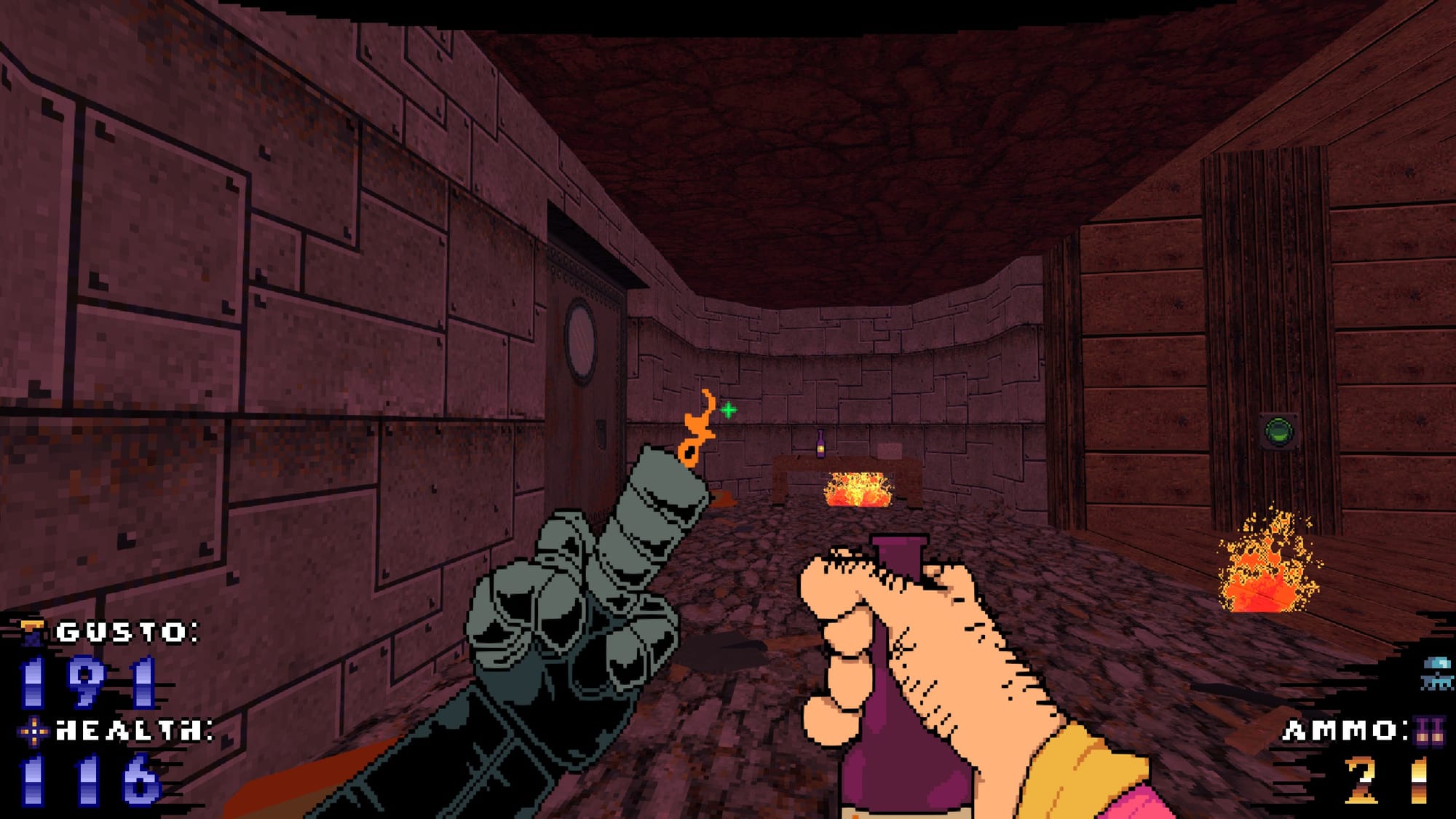
I played the demo for Captain Wayne: Vacation Desperation during a Next Fest not too long ago and appreciated its bonkers Looney Tunes meets One Piece meets Duke Nukem 3D approach to its aesthetics, but when I picked it back up for the full release, I was kind of caught off guard by how earnest it all is.
The poor-quality FMV cutscenes would feel right at home on an old, crass Newgrounds Flash game, amateurishly voice-acted and crudely animated, but in this era of AI slop and overwhelming realism, that serves as a reminder that this game came from human beings who had the time of their lives making something they loved and wanted to share.
If you need that kind of R-rated stupid in your life, I cannot recommend Captain Wayne enough.
Captain Wayne: Vacation Desperation is available on Windows PC via Steam. It runs on GZDoom, so old and/or low-power PCs should be able to run it fine.